
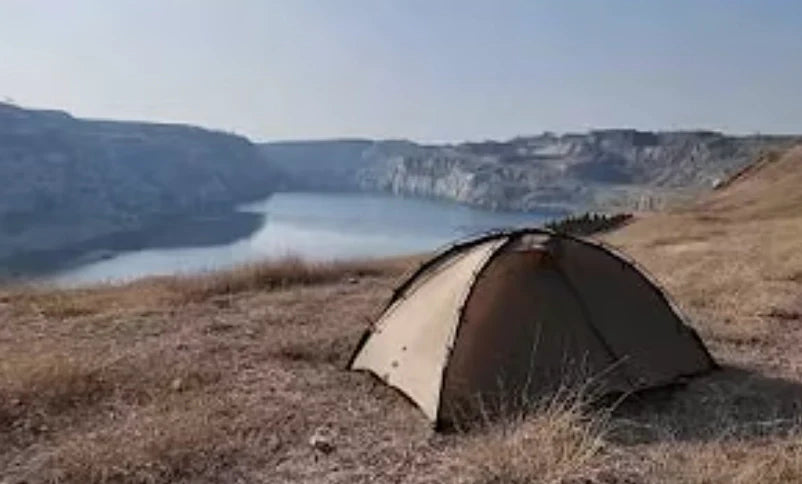
Why Scotland Is So Good for Wild Camping
There are few places in the UK where wild camping feels as natural as it does in Scotland. A quiet lochside evening, a small tent tucked below a ridge, the first light over the Highlands - it is easy to understand why people travel here with a backpack and a stove.
But a good wild camping in Scotland guide should start with the less romantic part: responsibility. Scotland gives campers generous access rights, but those rights depend on people behaving well. The best wild camps are the ones nobody notices afterwards.
Is Wild Camping Legal in Scotland
In general, yes. Under Scotland’s access rights, wild camping is allowed on most unenclosed land when done responsibly and in line with the Scottish Outdoor Access Code. VisitScotland explains that this usually means lightweight, low impact camping away from roads, buildings and organised campsites.
That does not mean you can pitch anywhere without thinking. The Scottish Outdoor Access Code expects campers to avoid enclosed fields, crops, livestock, private gardens, historic sites and busy places already under pressure.
Loch Lomond and Permit Areas
One important exception is Loch Lomond and The Trossachs National Park. Some areas operate camping management byelaws from March to September. In those zones, you need to use a campsite or buy a camping permit. If you are planning a Loch Lomond trip, check the current permit map before travelling.
This is one of the most searched parts of wild camping Scotland rules, and it is worth getting right.
Where Can You Wild Camp in Scotland
The best answer is: somewhere quiet, remote, durable and low impact. Hills, moorland, woods and open countryside can all work if you choose carefully.
Look for:
- Flat, dry ground
- A pitch away from homes and roads
- Durable surfaces that will recover quickly
- A spot at least 30 metres from water where possible
- Natural shelter from wind
- Somewhere you can leave without a trace
Avoid camping right beside popular car parks, busy lochsides, enclosed farmland or anywhere already showing damage from repeated use.
A good test is simple: if ten more people copied your pitch choice this weekend, would the place still look fine? If not, move on.
Arrive Late and Leave Early
Wild camping in Scotland works best when it is discreet. Arrive in the evening, pitch neatly, cook quietly, sleep, and move on in the morning. VisitScotland describes wild camping as usually one or two nights maximum, and that is a good habit for beginners.
This is not about hiding. It is about keeping the land feeling wild for everyone else.
What to Pack for Scottish Wild Camping
A sensible Scotland wild camping kit list should be light enough to carry but serious enough for Scottish weather.
Pack:
- Lightweight tent or shelter
- Warm sleeping bag
- Insulated sleeping mat
- Waterproof jacket and trousers
- Warm fleece or insulated layer
- Hat and gloves
- Stove and fuel
- Food and snacks
- Water bottle and filter
- Headtorch
- Map and compass
- Phone and power bank
- First aid kit
- Dry bags
- Trowel or waste bags
- Midge repellent and head net in season
Tiso rightly points out that Scottish weather is variable. A calm forecast does not remove the need for waterproofs, warm layers and navigation tools.
Fires and Stoves
Use a stove whenever possible. Fires can scar the ground, damage peat, spread in dry weather and leave ugly remains. Tiso and Wilderness Scotland both recommend stoves over campfires, and Adventures Around Scotland is especially blunt about abandoned fire scars.
There are also local restrictions. VisitScotland notes that fires and barbecues are banned across the Cairngorms National Park from 1 April to 30 September under fire byelaws.
For most wild campers, the simplest rule is the best one: cook on a stove, leave no burn mark, and take everything home.
Toilet and Waste
This is the part nobody loves writing about, but it matters. Use public toilets when possible. If you cannot, go well away from water, paths and camp spots. Carry a trowel, bury waste responsibly where appropriate, and pack out toilet paper, wipes and sanitary products.
Never leave food scraps. Orange peel, tea bags and crumbs are still litter. They attract wildlife and make a wild pitch feel used.
Midges Weather and Real Scottish Problems
A polished Instagram photo rarely shows the midges. In late spring and summer, especially in still damp areas, they can turn a beautiful camp into a test of patience. A head net and repellent are small items, but they can save the evening.
Weather is the other reality. Wind can build quickly, rain can last all night, and mist can make simple navigation awkward. For wild camping Scotland for beginners, the best first trip is not a remote summit camp. Choose a modest route, arrive with daylight left, and learn how your kit performs.
Leave No Trace in Scotland
The heart of this wild camping in Scotland guide is Leave No Trace. Wilderness Scotland summarises the principles well: plan ahead, camp on durable ground, dispose of waste properly, leave what you find, minimise fire impact, respect wildlife and be considerate of others.
In practice, that means:
- Keep groups small
- Avoid noisy camps
- Move if an area is busy
- Do not damage vegetation
- Keep dogs under control
- Pack out every bit of rubbish
- Leave the pitch looking untouched
Good wild camping is not just about having a nice night. It protects the freedom to do it again.
Final Thoughts
Scotland is one of the best places in Britain for wild camping, but it asks for care in return. Know the Scottish wild camping laws, check permit areas, choose quiet pitches, carry the right kit, avoid fires, manage waste properly and leave no trace.
The reward is simple: a small tent, a wide sky, and the feeling of being trusted to look after the place you came to enjoy.

Leave a comment
All comments are moderated before being published.
This site is protected by hCaptcha and the hCaptcha Privacy Policy and Terms of Service apply.