
Why Leave No Trace Matters
Most campers do not set out to damage a place. Usually, the harm comes from small things: a bit of food waste left behind, a fire scar on grass, a tent pitched too long on fragile ground, toilet paper tucked badly behind a rock. One camp might not look like much. A hundred camps in the same place can change a hillside.
That is why Leave No Trace camping in the UK matters. Britain’s wild places are not endless. Popular areas in the Lake District, Snowdonia, Dartmoor, the Peak District and Scotland already feel the pressure of busy weekends. Good camping habits help keep these places open, beautiful and welcoming.
Know the Rules Before You Go
The first part of responsible camping UK practice is knowing where camping is allowed. Scotland has wider access rights when campers follow the Scottish Outdoor Access Code. In much of England and Wales, wild camping usually requires landowner permission, with some local exceptions and specific access arrangements.
The Camping and Caravanning Club makes the sensible point that wild camping should be lightweight, discreet and respectful. If you are unsure, use a campsite or ask permission. It is better to plan properly than to arrive late and hope nobody minds.
Arrive Late and Leave Early
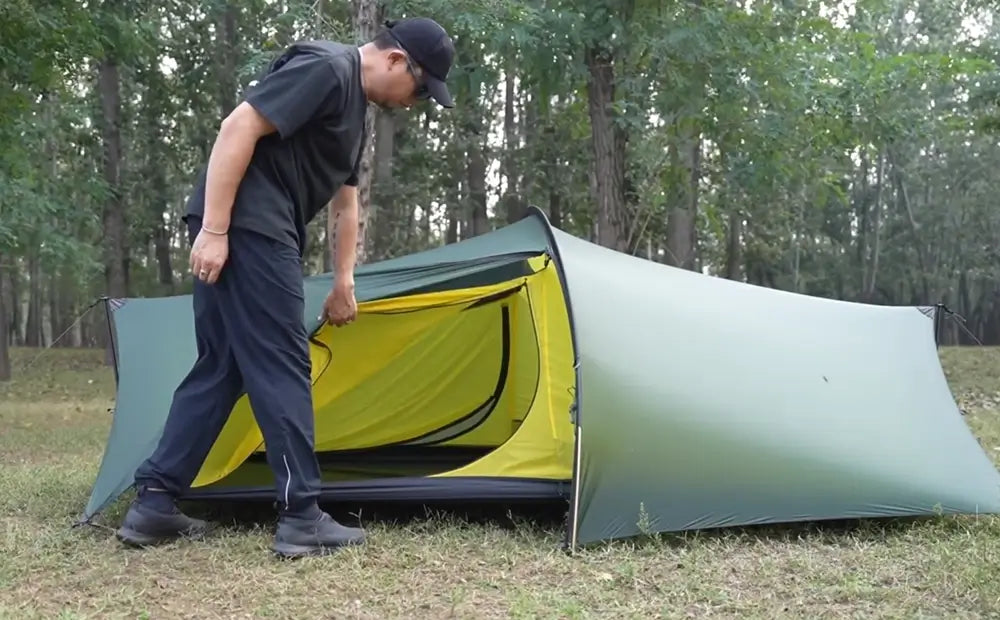
For Leave No Trace wild camping UK, the old habit still works: arrive late, leave early, stay one night where possible. A small tent tucked away for a single night has far less impact than a long, noisy camp that slowly turns into an outdoor living room.
Choose Your Pitch Carefully
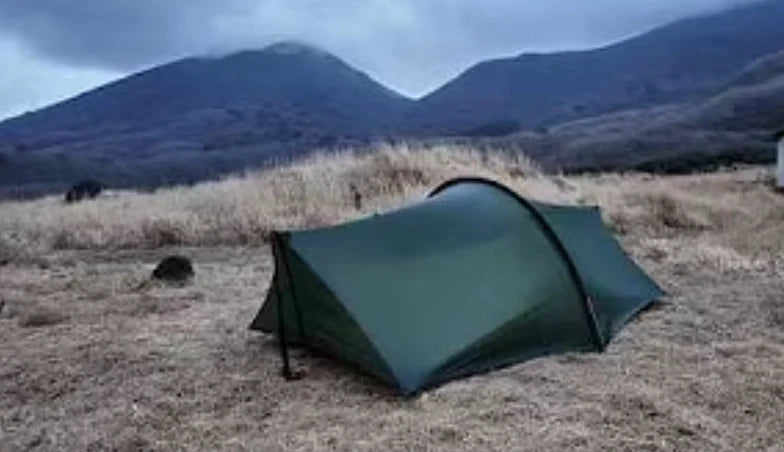
A good pitch is not just flat. It should be durable, discreet and able to recover quickly. Avoid fragile vegetation, boggy ground, crops, private gardens, livestock fields and places already worn by repeated camping.
Look for:
- Durable grass or established ground
- A quiet spot away from paths and homes
- Natural shelter from wind
- Ground that drains well
- A place where your tent will leave no obvious mark
A simple test helps: if ten more people camped in the same spot this month, would it still look fine? If the answer is no, keep walking.
Pack Out Everything
This is the easiest rule and somehow the one most often broken. Pack out everything you bring in. That includes food scraps, tea bags, orange peel, bottle caps, tissue, wipes, broken pegs and tiny bits of packaging.
Sea to Summit suggests carrying a spare dry bag for rubbish, which is a genuinely useful habit. It keeps dirty waste away from clean gear and removes the excuse of “I had nowhere to put it.”
Food Waste Is Still Waste
Apple cores and banana skins do not belong on the hill. They may be natural somewhere, but they are not necessarily natural there. They also attract animals and make a wild pitch feel used.
Be Careful Around Water
Streams, tarns and lakes are part of the reason UK camping feels so good. They also need protecting. Wash well away from water sources. Sea to Summit recommends washing at least 100 metres from watercourses when using soap or cleaning dishes.
For eco friendly camping tips UK, this one is worth remembering: biodegradable soap is not magic. It is still better used away from streams and lakes, where soil can help filter it.
If you need water for cooking or drinking, collect it cleanly, avoid disturbing banks, and filter or treat it when needed.
Toilets Without the Mess
Nobody loves this subject, but bad toilet habits ruin wild camping spots quickly. Use public toilets before heading out when possible. If you need to go outdoors, move well away from water, paths and campsites.
Carry a trowel. Bury human waste responsibly where appropriate, and pack out toilet paper, wet wipes and sanitary products. Wet wipes should never be buried. They last far longer than people think.
A small sealable bag makes this easy. It is not glamorous, but it is part of wild camping etiquette UK.
Avoid Fires
A campfire looks romantic in photos. On UK hills and moorland, it is often a bad idea. Fires can scar the ground, damage peat, spread during dry spells and leave ugly black marks long after the camper has gone home.
Alpkit and WildBounds both stress minimising fire impact, and the simplest low impact choice is to use a stove. A small gas stove cooks dinner without damaging the pitch.
If fires are banned locally, do not light one. If conditions are dry, do not light one. If you are not absolutely sure it will leave no trace, do not light one.
Respect Wildlife and Livestock
Keep distance from wildlife. Do not feed animals, even if they seem bold around campsites. Store food securely and keep dogs under close control, especially near sheep, ground nesting birds and deer.
In the UK, a quiet camp is usually the best camp. Less noise, less light and less movement mean less disturbance.
Leave What You Find
It is tempting to take a feather, stone, antler, flower or old object as a small memory. Better to leave it where it is. The next person deserves to find the place as you found it.
Do not cut branches, strip bark, move stones unnecessarily or build little structures. A campsite should not need decoration.
Before You Leave
The final check is simple. Stand where the tent was and look around.
Ask yourself:
- Is there any litter
- Are there food scraps
- Is the grass badly flattened
- Are there peg holes or torn ground
- Is toilet waste dealt with properly
- Is the fire impact zero
- Would a walker know someone slept here
If the answer to that last question is no, you have done it properly.
Final Thoughts
Leave No Trace camping in the UK is not about being perfect or joyless. It is about small, careful habits that let more people enjoy wild places without wearing them out.
Plan before you go. Camp small. Keep quiet. Pack out rubbish. Protect water. Avoid fires. Deal with toilet waste properly. Leave the place looking ordinary.
That is the real skill. Not just reaching a beautiful spot, but leaving it beautiful for the next person who arrives tired, happy and hoping for a quiet night outside.

Leave a comment
All comments are moderated before being published.
This site is protected by hCaptcha and the hCaptcha Privacy Policy and Terms of Service apply.