
First Things First Condensation Is Not Always a Leak
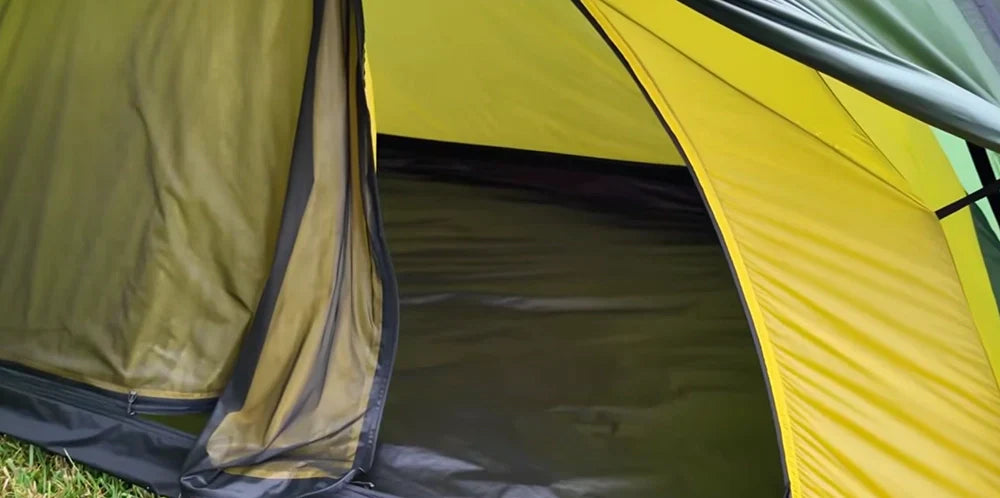
Anyone who camps in Britain for long enough will eventually wake up to a damp flysheet. Sometimes it is just a misting on the inside of the tent. Sometimes it is proper droplets. On a still autumn morning in Wales, Scotland, the Lakes or Dartmoor, it can look as if the tent has failed.
Most of the time, it has not.
Condensation happens when warm, moist air inside the tent meets colder tent fabric. UK conditions make this worse: damp ground, cool nights, rain, wet clothing, low wind and high humidity. So the real aim is not to remove condensation completely. The realistic goal is to manage it so your sleeping bag, clothing and inner tent stay dry enough.
That is the honest answer to how to reduce tent condensation in UK weather. You control moisture, airflow and contact points. You do not defeat British dampness by force.
Ventilation Matters Even When It Feels Cold
The simplest way to reduce tent condensation UK campers struggle with is to keep air moving. This can feel wrong on a chilly night. Many people close every vent, zip every door tight, and then wonder why the tent feels wet in the morning.
Wood to Water, UKSN and Vango all point to ventilation as one of the main solutions. Open high and low vents if your tent has them. Crack the door slightly on the sheltered side. If rain is blowing from one direction, open the opposite side instead.
Cross Ventilation Is Better Than One Open Door
One open vent helps. Two vents working together help more. Air needs a way in and a way out. This is why tents with low vents, peak vents and mesh panels often feel less clammy than shelters with poor airflow.
In calm weather, even a small gap can make a difference. In windy weather, you can usually ventilate more than you think, as long as rain is not being driven directly inside.
Choose the Pitch Carefully
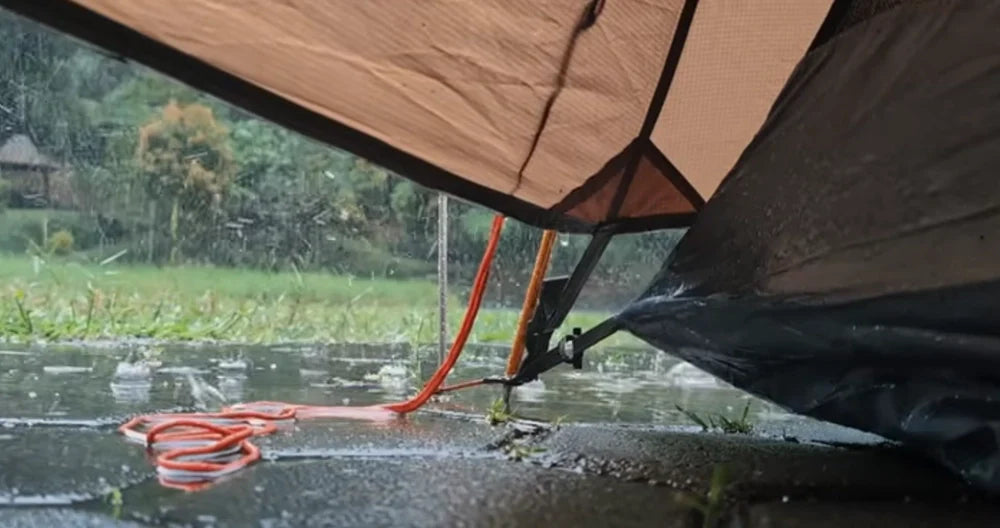
A surprising amount of condensation is decided before the tent is even pitched. Low, boggy ground feels sheltered, but it often holds cold, damp air. Camping beside a lake or stream may look perfect in photos, but it usually increases humidity.
For camping in damp weather UK, better pitches are usually:
- Slightly raised ground
- Places with gentle airflow
- Areas that catch morning sun
- Ground that drains well
- Spots away from standing water and marshy grass
Wood to Water also notes that a groundsheet or footprint can help reduce moisture coming up from cold, wet ground. Just make sure the footprint is smaller than the tent floor. If it sticks out, rain can collect on it and run underneath the tent.
Keep Wet Gear Out of the Sleeping Area
Wet waterproofs, socks, gaiters and rucksacks all add moisture to the air inside the tent. Once that moisture evaporates, it has to go somewhere. Usually, it ends up on the flysheet.
If you want to stop condensation in a tent, treat wet gear as a separate problem. Store boots and soaked waterproofs in the vestibule. Keep damp clothing in a dry bag or separate corner. Do not hang wet socks above your sleeping bag and hope for the best. In UK weather, they often will not dry overnight anyway.
A small microfibre cloth is worth carrying. It can wipe down the flysheet in the morning, mop up floor moisture, or dry your hands before touching sleep gear.
Avoid Cooking Inside the Tent
Cooking or boiling water adds a lot of water vapour to the air. It also brings fire and carbon monoxide risks. Most condensation guides say the same thing: avoid cooking inside the tent body.
If weather is terrible, some experienced campers cook carefully in a well ventilated vestibule, but that is different from cooking inside a closed inner tent. Keep airflow open, keep the stove away from fabric, and do not let steam fill the sleeping area.
Hot drinks are lovely on a wet night. Steam trapped inside a small tent is less lovely at 4am.
Single Skin Tent Condensation
Single skin tent condensation deserves its own mention. Ultralight single wall shelters are popular because they save weight, but there is no separate inner layer to protect you from moisture on the flysheet. That means site choice, airflow and sleeping bag placement become more important.
Ultralight Outdoor Gear explains that single skin tents are more directly affected by warm moist air hitting cold fabric. That does not make them bad tents. It just means they need good habits.
Tips for Single Skin Tents
Use all vents. Pitch with enough airflow under the fly if conditions allow. Avoid brushing your sleeping bag against the walls. Use guylines to pull panels away from your sleeping area. Wipe condensation before packing if you can.
A single skin tent can work well in the UK, but it is less forgiving in still, wet, cold conditions.
Double Wall Tent Condensation
A double wall tent can make damp nights easier because condensation usually forms on the outer flysheet, while the inner tent creates a buffer. But double wall tent condensation can still become a problem if the fly and inner touch, vents are closed, or wet gear is stored inside.
Keep the flysheet properly tensioned. Use guylines when needed. If the outer sags onto the inner during rain, moisture can transfer through contact. This is common with loose pitches and some nylon flysheets after they absorb moisture.
Morning Routine for Damp Tents
In the UK, some mornings are simply wet. Dew, mist and overnight rain can leave the tent soaked outside even if you managed condensation well.
A practical routine helps:
- Keep sleeping gear packed before touching wet fabric.
- Wipe the inside of the flysheet with a small cloth.
- Shake the flysheet if possible.
- Pack the inner separately from the wet outer.
- Dry the tent fully at home.
If you are on a multi-day trip, use any short dry spell to air the flysheet. Even ten minutes of wind can help.
Common Mistakes
The most common mistakes are easy to make:
- Closing every vent overnight
- Pitching in a hollow near water
- Bringing wet clothes into the inner tent
- Cooking inside a closed tent
- Letting the sleeping bag touch the flysheet
- Using a footprint that sticks out beyond the tent
- Packing the tent wet and leaving it stored that way
Nobody gets all of this right every night. The aim is to reduce the worst of the moisture, not achieve a perfectly dry laboratory tent in a Scottish valley.
Final Thoughts
Learning how to reduce tent condensation in UK weather is mostly about accepting the conditions and building better habits. Ventilate more than feels natural, choose a pitch with airflow, keep wet gear away from the sleeping area, and understand the difference between single skin and double wall shelters.
Some condensation is normal. A few droplets on the flysheet do not mean your tent is leaking. If your sleeping bag stays dry, your inner tent is not dripping, and your gear is protected, you are doing well.
In Britain, that counts as a good night’s camping.

Leave a comment
All comments are moderated before being published.
This site is protected by hCaptcha and the hCaptcha Privacy Policy and Terms of Service apply.