
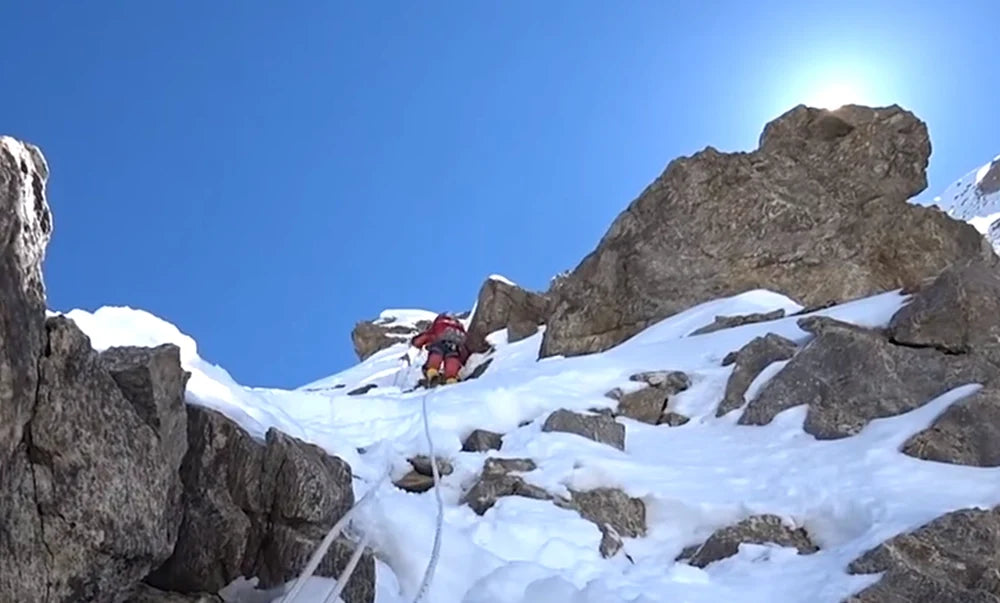
The second-highest mountain in the world has a reputation that makes even elite climbers pause.
It is often called the Savage Mountain, and that name is not just dramatic branding. It reflects decades of failed attempts, fatal accidents, brutal weather, technical climbing, and a very small margin for error. On this peak, danger does not come from one obvious feature. It comes from the way several severe risks overlap at once.
A climber who reaches the summit still has a long way to go. And on this mountain, the descent can be more dangerous than the ascent.
The Main Reasons It Is So Dangerous
The danger comes from a combination of factors:
- steep terrain
- extreme altitude
- technical climbing sections
- unstable weather
- avalanche exposure
- falling ice
- limited rescue options
- long summit-day exposure
- dangerous descent conditions
Each of these would be serious on its own. Together, they make the mountain one of the most feared in the world.
Steepness Changes Everything
One of the main reasons this peak is so dangerous is simple: it is steep.
The standard route is not a gentle snow climb. It includes mixed terrain, exposed ridges, rock, ice, and snow. That means climbers are constantly managing movement, balance, rope systems, and exposure at the same time.
Steep terrain increases risk because it reduces reaction time. A mistake that might be recoverable on a lower mountain can become catastrophic here. There is less room to stop, less room to rest, and less room to correct an error.
Altitude Weakens Judgment
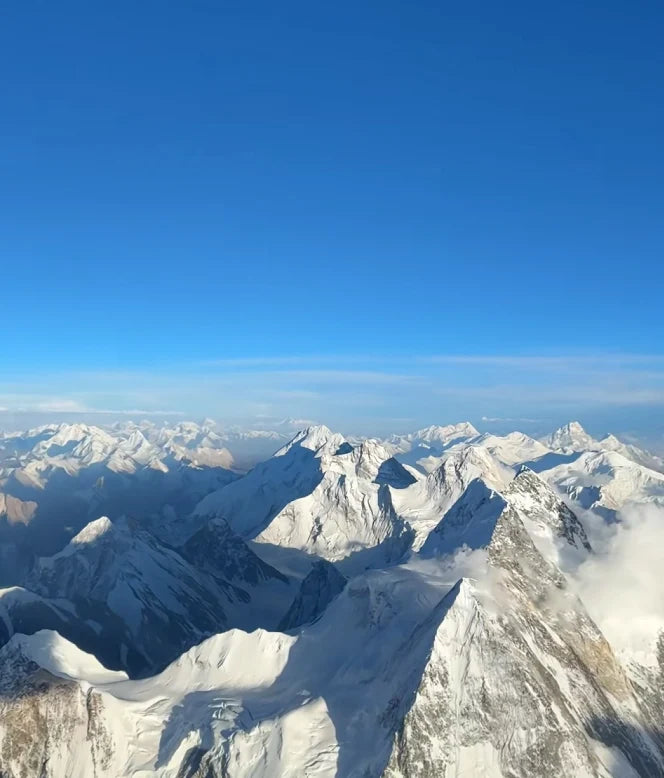
At 8,611 meters, the body is operating far outside normal conditions.
Above 8,000 meters, climbers enter the so-called death zone, where the human body cannot recover properly. Oxygen is limited. Thinking slows. Coordination worsens. Appetite disappears. Sleep becomes poor. Decision-making gets worse exactly when the stakes get higher.
That is one reason the mountain has such a severe reputation. Climbers are not just fighting the terrain. They are fighting their own physiology.
The Bottleneck
No discussion of this mountain’s danger is complete without the Bottleneck.
This narrow couloir lies beneath unstable hanging ice and is one of the most feared sections on any 8,000-meter peak. Climbers must pass beneath serious objective danger at extreme altitude, often while already tired, cold, and oxygen-deprived.
The problem is not just the ascent. It is the fact that climbers must come back through the same section on descent, when they are even more exhausted.
That is why the Bottleneck has become a symbol of the mountain itself: narrow, exposed, unpredictable, and unforgiving.
Weather Can Turn Fast
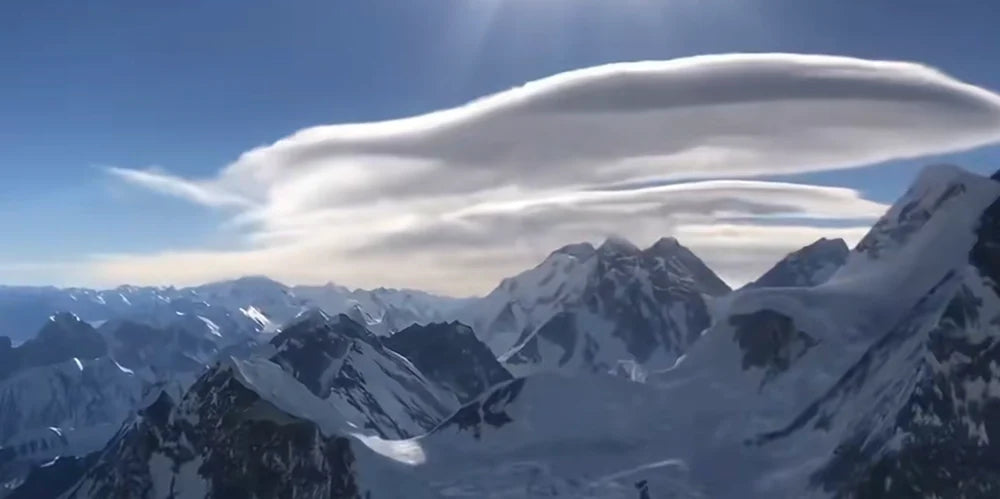
The Karakoram is famous for severe and changeable weather.
Wind, snow, and visibility can shift quickly, and summit windows are often very short. A day that begins calmly at base camp can become a storm higher on the route. That makes timing critical.
Bad weather matters because it affects:
- snow stability
- avalanche risk
- rope handling
- visibility
- frostbite risk
- descent timing
A summit push on this mountain is not just about fitness. It is about selecting the exact right window and knowing when to stop.
Rescue Is Limited
Another reason the mountain is so dangerous is that rescue is not easy.
It is remote, the weather is often poor, and the highest sections are too severe for simple evacuation. Helicopters cannot land everywhere. Ground rescue is difficult and slow. If a climber gets into serious trouble high on the route, help may not arrive quickly enough.
That means climbers need self-reliance, solid judgment, and a clear emergency plan before they even leave base camp.
Why the Descent Is So Dangerous
Many climbers focus on the summit, but the descent is where the mountain often proves most dangerous.
By the time climbers turn around, they are:
- exhausted
- dehydrated
- cold
- mentally slower
- often low on oxygen
- more vulnerable to weather changes
They still need to descend steep terrain, manage fixed ropes, avoid falling ice, and make safe decisions under pressure.
A summit is only a partial success. Getting back down safely is the real measure of whether the climb was completed.
Why Climbers Still Respect It
People still attempt this mountain because it represents a pure test of mountaineering.
It is not just about altitude. It is about endurance, timing, discipline, technical skill, and humility. Climbers who understand high-altitude risk know that the mountain does not care about ambition. It only responds to conditions.
That is why the name Savage Mountain has lasted. It reflects not only the objective hazards, but also the way the mountain strips away overconfidence.
Final Thoughts
So why is this mountain so dangerous?
Because it combines steep terrain, extreme altitude, unstable weather, the Bottleneck, rescue limits, and a descent that can be more dangerous than the climb itself. It is one of the few places on Earth where nearly every decision has consequences.
The second-highest mountain in the world earned its reputation honestly.
It is beautiful, legendary, and respected for good reason. It does not reward arrogance, and it does not forgive sloppy judgment. That is why experienced climbers speak about it with caution, not romance.
FAQ
Why is this mountain called the Savage Mountain?
Because it is extremely difficult, steep, and unforgiving, with a long history of serious accidents and failed attempts.
What makes it so dangerous?
Steep terrain, extreme altitude, unstable weather, the Bottleneck, avalanche risk, and difficult rescue conditions.
Why is the descent so risky?
Because climbers are exhausted, cold, and mentally slower, yet still must pass through dangerous terrain.
Is it harder than Everest?
Many climbers believe so, because it is more technical and less forgiving.
Is K2 one of the deadliest mountains in the world?
Yes, and it has long been considered one of the most dangerous high mountains on Earth.

Leave a comment
All comments are moderated before being published.
This site is protected by hCaptcha and the hCaptcha Privacy Policy and Terms of Service apply.