
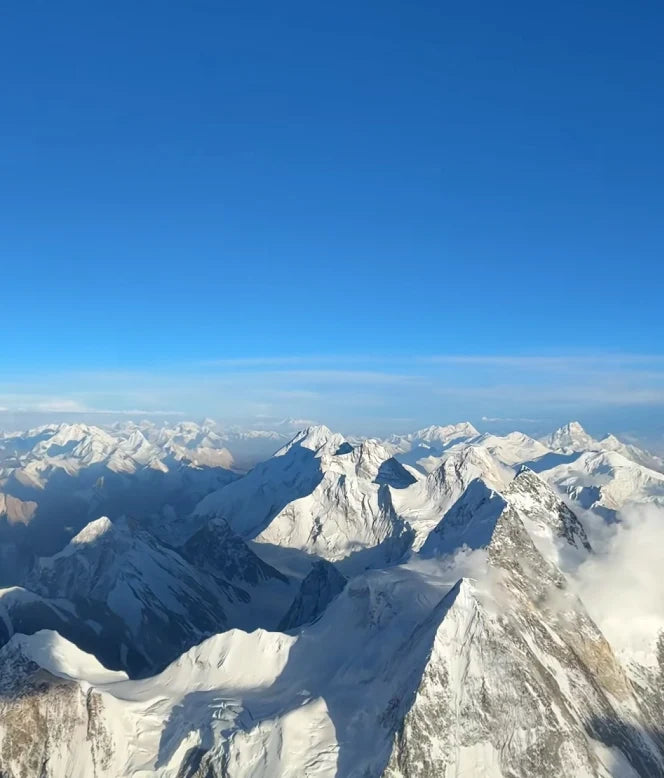
K2 is one of the most dangerous mountains in the world, but its danger does not come from one single feature.
The real risk comes from the way hazards overlap. Extreme altitude weakens the body. Cold damages the hands and feet. Wind changes the route. Snow creates avalanche danger. Falling ice threatens the upper mountain. Then, after all of that, climbers still have to descend while exhausted.
This is why the second-highest peak on Earth has such a severe reputation. It does not give climbers many chances to make mistakes.
The Main Risks at a Glance
The biggest hazards include:
- altitude sickness
- HAPE and HACE
- frostbite
- hypothermia
- avalanches
- falling ice and serac collapse
- rockfall
- falls on steep terrain
- fixed-rope problems
- exhaustion
- bad weather
- difficult rescue conditions
- dangerous descent timing
Each risk is serious on its own. On this mountain, several can appear at the same time.
Altitude Sickness
The summit rises to 8,611 meters, placing climbers deep into extreme altitude.
At this height, the body receives far less oxygen than it needs. Movement slows. Thinking becomes less sharp. Sleep becomes poor. Appetite often disappears. Even simple tasks can feel strangely difficult.
Altitude illness can appear in several forms:
- Acute Mountain Sickness, or AMS
- High-Altitude Pulmonary Edema, or HAPE
- High-Altitude Cerebral Edema, or HACE
AMS may begin with headache, nausea, fatigue, poor sleep, or dizziness. HAPE affects the lungs and can cause breathlessness, coughing, weakness, and fluid buildup. HACE affects the brain and can cause confusion, poor coordination, altered behavior, and loss of consciousness.
HAPE and HACE are medical emergencies. At extreme altitude, waiting too long can remove the possibility of a safe descent.
The Death Zone
Above roughly 8,000 meters, climbers enter what is commonly called the death zone.
This does not mean death is automatic. It means the body cannot properly recover. Every hour spent there comes at a cost.
In the death zone:
- oxygen levels are critically low
- judgment becomes impaired
- coordination gets worse
- dehydration accelerates
- digestion slows
- fatigue builds quickly
- recovery is almost impossible
This is why summit day on the Karakoram giant is so unforgiving. Climbers are making the hardest decisions when their bodies are least capable of supporting good judgment.
Frostbite
Frostbite is one of the most common and feared cold injuries on high mountains.
It usually affects:
- toes
- fingers
- nose
- cheeks
- ears
The risk rises when cold combines with wind, dehydration, tight boots, wet gloves, slow movement, or poor circulation. A climber may not notice the damage at first because numbness can feel less urgent than pain.
That is what makes frostbite so dangerous. By the time a climber realizes how serious it is, tissue damage may already be advanced.
Prevention matters more than treatment. Warm boots, dry socks, layered gloves, face protection, good hydration, and regular checks are essential.
Hypothermia
Hypothermia happens when the body loses heat faster than it can produce it.
On the upper mountain, this can happen during storms, long stops, slow movement, wet clothing, exhaustion, or bivouacs. It becomes especially dangerous because hypothermia affects thinking. A cold climber may become confused, careless, or strangely calm.
Warning signs can include:
- uncontrollable shivering
- clumsy movement
- slurred speech
- confusion
- apathy
- poor decision-making
The danger is not only cold itself. It is cold plus altitude plus fatigue.
Avalanche Danger
Avalanches are a major threat on this 8,611-meter peak.
Avalanche risk can increase after:
- heavy snowfall
- wind loading
- rapid warming
- unstable snow layers
- storms
- slope disturbance by climbers
The problem is that climbers often have limited escape options. The route is steep, exposed, and slow. A slope that might be manageable in lower mountains becomes much more serious when everyone is moving slowly at altitude.
Snow stability is never just a background detail. It can decide whether a summit push is reasonable or reckless.
Falling Ice and Serac Collapse
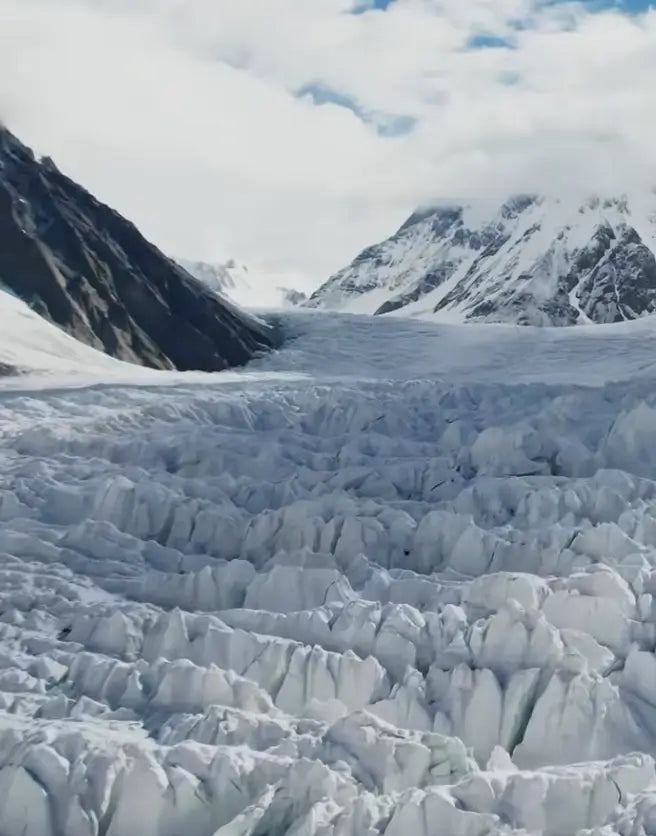
Falling ice is one of the mountain’s most frightening hazards because it cannot be fully controlled.
A serac is a tower or block of glacial ice. These structures can collapse suddenly. The upper route passes below unstable hanging ice, especially near the Bottleneck, one of the most infamous sections of the climb.
Climbers can reduce exposure by moving efficiently, choosing timing carefully, and avoiding unnecessary stops. But they cannot remove the danger completely.
This is the hard part of objective risk: skill helps, but skill does not make falling ice predictable.
Rockfall
Rockfall is another serious hazard, especially on mixed sections of rock, snow, and ice.
Loose rock can be released by:
- warming temperatures
- melting snow
- other climbers
- wind
- natural instability
- freeze-thaw cycles
A helmet is essential, but it is not a shield against everything. Good spacing, efficient movement, and avoiding obvious fall lines matter just as much.
Falls on Steep Terrain
Falls are among the most direct and deadly risks.
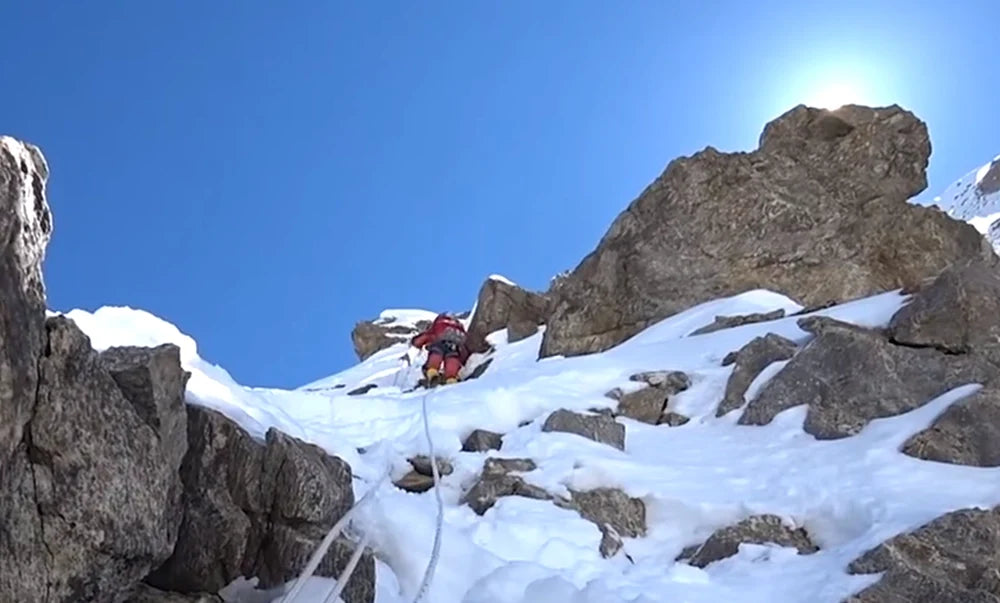
The standard route includes steep snow, ice, rock, and mixed climbing. Climbers often rely on fixed ropes, ascenders, descenders, crampons, and careful footwork. A small mistake in one transition can have severe consequences.
Falls can happen because of:
- crampon slips
- poor visibility
- exhaustion
- unclipping at the wrong moment
- rope mismanagement
- high wind
- weak anchors
- altitude-impaired coordination
At lower altitude, a mistake may be recoverable. High on the mountain, recovery is far less certain.
Fixed-Rope Problems
Fixed ropes make the climb more manageable, but they also create dependence.
Problems can include:
- damaged ropes
- buried ropes
- poor anchors
- overcrowded sections
- slow climbers blocking movement
- rope confusion in bad visibility
- old ropes left from previous seasons
A fixed rope is not a guarantee of safety. It is only as reliable as its condition, placement, and the climber’s ability to use it correctly.
Weather
Weather is one of the biggest forces on the mountain.
Bad weather can bring:
- high wind
- whiteouts
- heavy snow
- extreme wind chill
- avalanche conditions
- tent damage
- delayed descent
- route-finding problems
A calm morning can still become a dangerous afternoon. A forecast can help, but it cannot remove uncertainty.
Good expedition teams do not only ask, “Can we go up?” They ask, “Can we still get down if the weather changes?”
Why Descent Is So Dangerous
The descent may be the most underestimated part of the climb.
After reaching the summit, climbers are often:
- exhausted
- dehydrated
- cold
- oxygen-deprived
- slower than expected
- mentally less sharp
- exposed to the same hazards again
They still need to pass technical terrain, manage fixed ropes, avoid falling ice, and return to camp before conditions deteriorate.
The summit is emotionally powerful, but it is not the finish. On high mountains, success means getting back down.
Rescue Limitations
Rescue is difficult in the Karakoram.
The mountain is remote, weather can block helicopters, and the highest sections are often beyond realistic evacuation. Injured climbers may need to descend before outside help can reach them.
This is why self-reliance matters. Teams need communication, medical supplies, oxygen planning, rescue insurance, and the ability to help themselves when outside support is delayed.
Final Thoughts
K2 deserves its reputation because the risks are layered.
Altitude weakens the body. Cold attacks the extremities. Weather changes quickly. Snow and ice create objective hazards. Technical terrain punishes small mistakes. The descent demands clear thinking after the summit has already taken most of a climber’s strength.
This mountain is not dangerous because of legend. It is dangerous because the margin for error is small.
The safest climbers are not the ones who feel fearless. They are the ones who stay honest, move carefully, and understand that turning back can be the best decision of the entire expedition.
FAQ
What are the biggest risks of climbing K2?
The biggest risks include altitude illness, frostbite, avalanches, falling ice, rockfall, falls, bad weather, exhaustion, and difficult rescue conditions.
Why is altitude sickness dangerous on this mountain?
Because the summit is above 8,000 meters, where oxygen is extremely limited and the body cannot recover normally.
Why is frostbite such a serious problem?
Extreme cold, wind, dehydration, tight boots, slow movement, and poor circulation all increase frostbite risk.
Why is the descent so dangerous?
Climbers descend while tired, cold, dehydrated, and oxygen-deprived, often through the same dangerous terrain used on the ascent.
Can climbers be rescued easily?
No. Rescue is difficult because of altitude, terrain, weather, and the mountain’s remote location.

Leave a comment
All comments are moderated before being published.
This site is protected by hCaptcha and the hCaptcha Privacy Policy and Terms of Service apply.