
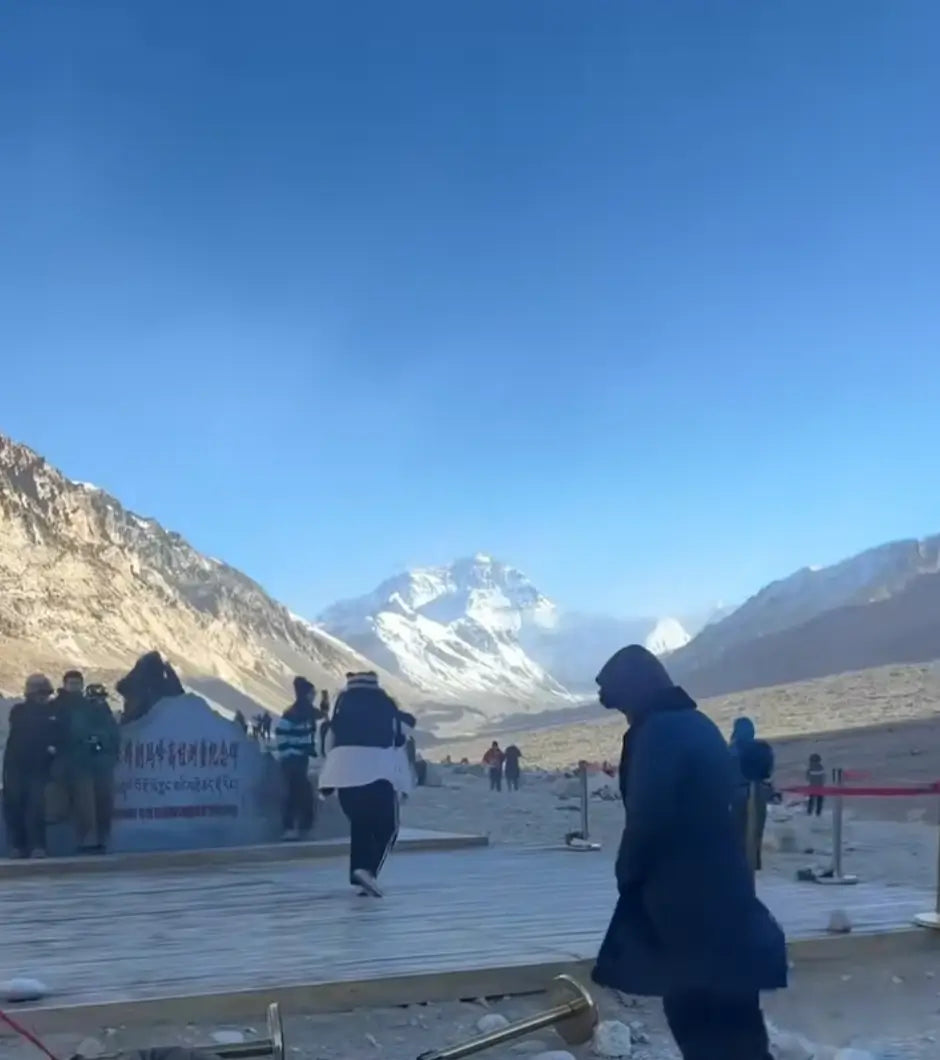
Anyone who follows Everest news will hear one phrase again and again: weather window.
Teams wait at Base Camp for a weather window. Guides wait at Camp 2. Climbers wait at the South Col. After years of training and a huge expedition cost, why do they still have to wait? Why not simply climb when they feel ready?
Because Everest is not passable every day. Above 8000 metres, weather is not background scenery. It is one of the main factors that decides whether climbers live or die. Wind speed, temperature, snowfall, visibility, the jet stream and the monsoon all shape whether a summit attempt is possible.
Quick Answer
The Everest weather window matters because:
- The summit is often affected by the jet stream
- High wind and cold can quickly cause frostbite and hypothermia
- Snowfall increases avalanche, slipping and route-finding risk
- Poor visibility makes descent dangerous
- Oxygen and energy are limited at high altitude
- Good weather often lasts only a few days, causing summit crowds
In simple terms, Everest summit day is not only about whether the climber is ready. It is about whether the mountain briefly allows passage.
What Is an Everest Weather Window
A weather window is a short period of relatively suitable conditions for high-altitude climbing. On Everest, a good window usually means:
- Lower summit wind
- No major storm
- Acceptable visibility
- Cold temperatures, but not extreme danger
- Jet stream weakened or shifted away
- Monsoon moisture not yet fully active
A window may last several days, or only a day and a half. Some years have several usable windows. Some years are narrow and frustrating. When climbers seem to be “just waiting” at Base Camp, they are actually waiting for the moment when their body, oxygen, route and weather can line up.
Why the Jet Stream Matters on Everest
Everest rises close to the level where the jet stream often travels. The jet stream is a fast-moving river of high-altitude wind. When it sits over Everest, the summit and ridges can experience extreme wind.
EverestWeather explains that Everest is located near the normal elevation of the jet stream, and winds for much of the year can exceed 80 mph, or about 128 km/h. This is not just uncomfortable. It can knock climbers off balance, strip heat from the body and make simple rope handling difficult.
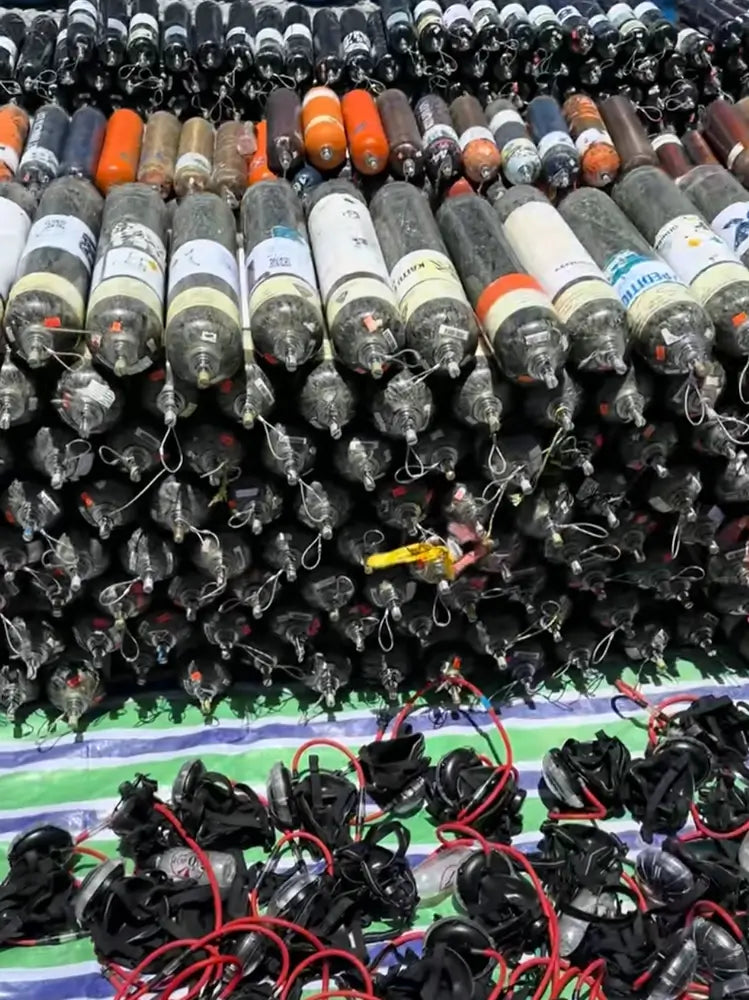
On Everest, a small increase in wind can create a chain reaction. Wind chill becomes more severe. Fingers freeze faster. Oxygen masks are harder to manage. Teams slow down. Queues on fixed ropes become more dangerous. If strong wind arrives on summit day, climbers may spend too much energy before they even reach the top.
Why Everest Is Mostly Climbed in Spring
Everest can be attempted in other seasons, but spring, before the monsoon, is the main commercial climbing season.
Spring often offers several advantages:
- The worst winter cold is easing
- The summer monsoon has not fully arrived
- Days are longer
- The jet stream may shift north
- Route fixing and high-camp logistics are more manageable
PBS explains that, ideally, pressure systems push the jet stream north toward Tibet before the monsoon arrives, creating a small opportunity for Everest climbers. That small opportunity is the summit window many teams are waiting for.
This is why Everest summit news often clusters in mid to late May. It is not because every climber wants to climb on the same day. It may be because those are the only days that look possible.
Why the Monsoon Ends the Season
The South Asian monsoon usually begins affecting the Himalaya in early summer. It brings more moisture, cloud, snow and unstable weather. At lower altitude, the monsoon may mean rain. High on Everest, it can mean snowfall, cloud build-up, route changes and higher avalanche risk.
Alan Arnette’s 2026 Everest season updates noted that once the jet stream fully leaves, temperatures rise and monsoon moisture can move north. Warming also affects the Khumbu Icefall, and the Icefall Doctors eventually remove ladders as the route becomes less stable.
This is why the Everest season cannot simply continue forever. Once the window closes, the route and weather often become less suitable day by day.
Weather Windows and the Death Zone
The weather window matters most because climbers must move through the death zone quickly.
Camp 4 at the South Col is around 7900 metres, already very close to the death zone. Most teams leave from there at night, climb toward the summit and try to return as soon as possible. Climbers cannot comfortably wait at that altitude. Oxygen is limited, the body is weakening, sleep is poor, and eating or drinking is difficult.
If the weather changes, problems can build quickly:
- Wind makes movement difficult
- Cold increases frostbite risk
- Poor visibility makes route finding harder
- Queues slow everyone down
- Oxygen use exceeds the plan
- Descent continues into darkness
- Rescue becomes much harder
A mature Everest decision is often not “push through bad weather”. It is “wait until the risk is within a range we can manage”.
Why Weather Windows Create Queues
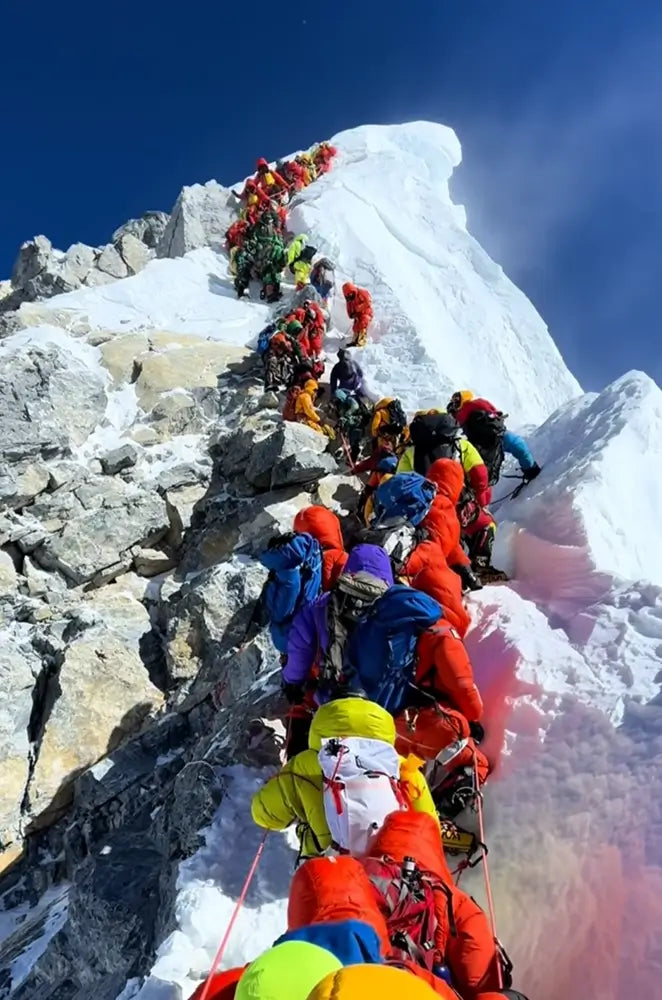
Many famous Everest crowding photos come from short weather windows. Outsiders see too many people. That is part of the issue, but weather is also involved: there may be very few summit days.
If an entire season offers only two or three realistic summit days, multiple teams will naturally move at the same time. The fixed-rope route is narrow, and key sections do not allow easy passing. Queues can form near the South Summit, ridges, technical steps or the summit itself.
This is not like waiting in line at a tourist attraction. It happens above 8000 metres, where climbers lose oxygen and body heat while standing still. If movement is too slow, climbers may miss their turnaround time. The shorter the weather window, the harder the decision-making becomes.
Are Everest Weather Forecasts Reliable
Modern Everest expeditions use professional weather forecasts that are far better than those available decades ago. Satellite data, wind modelling, numerical forecasts and high-altitude weather stations have improved decision-making. National Geographic has reported on weather stations installed high on Everest, which help scientists understand extreme mountain conditions.
But a forecast is not a guarantee. Everest terrain is complex and extreme. Local wind, cloud, snow and temperature may still differ from models. Teams usually combine several forecasts with on-mountain observations and guide experience.
A responsible leader does not look only for a small wind number on one app. They consider:
- Wind speed and gusts
- Summit temperature
- Snowfall risk
- Cloud and visibility
- Jet stream position
- Team speed
- Route crowding
- Oxygen and high-camp condition
An Everest weather window is not a sunny icon on a phone. It is a full risk assessment.
How Ordinary Readers Should Understand Everest Weather
If you are not a climber, the easiest way to understand Everest weather is this: high altitude leaves almost no room for mistakes.
On a lowland hike, bad weather may mean putting on a jacket, walking down, finding shelter or waiting in a hut. High on Everest, those options do not really exist. A dropped glove, frozen oxygen mask, slow climber, blocked rope or sudden cloud can become serious.
That is why the weather window is not just mountaineering jargon. It is the condition that allows training, money, equipment and logistics to matter at all.
Conclusion
Why does the Everest weather window matter? Because the upper mountain is often controlled by high wind, severe cold and the jet stream, while the truly climbable period before the monsoon may be very short. Climbers are not waiting because they lack motivation. They are waiting for risk to become temporarily manageable.
On Everest, people can choose training, gear, budget and team. They cannot command the weather. Good climbers and good expedition leaders are not only those who can move upward. They are also those who can wait, turn back and accept that the mountain has not opened the door.
On Everest, the summit may look close. But until the weather allows it, it does not belong to you.

Leave a comment
All comments are moderated before being published.
This site is protected by hCaptcha and the hCaptcha Privacy Policy and Terms of Service apply.