
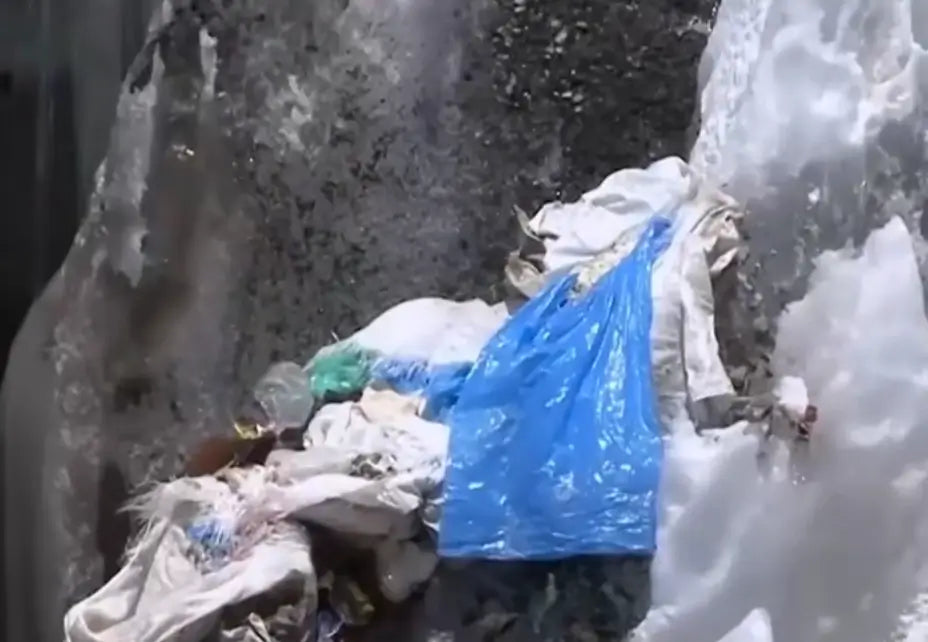
Many people imagine Everest as blue sky, prayer flags, snow ridges and the highest point on Earth. That picture is real, but it is not the whole story. Everest also has discarded oxygen bottles, damaged tents, food wrappers, fuel canisters, old ropes, human waste and equipment that has remained high on the mountain for years.
It is not pleasant to talk about, but it is part of the modern Everest story. The mountain is not a self-cleaning wilderness. Every spring, climbers, trekkers, staff, porters, cooks, guides, fixed-rope teams and supply systems move into the Everest region. More people means more gear, more food, more packaging and more waste.
The Everest waste problem cannot be explained only by saying “some climbers are careless”. It is connected to commercial climbing, extreme altitude, cleanup cost, enforcement, local economy and climate change.
Quick Answer
Everest has a serious waste problem because:
- Many climbers and support teams arrive in a short season
- Oxygen bottles, tents, fuel cans and packaging are hard to remove
- Cleaning at high altitude is dangerous
- Human waste breaks down very slowly in the cold
- Commercial expeditions require huge logistics
- Waste deposit systems have had limited success
- Warming temperatures can expose old rubbish
In simple terms, Everest waste is not normal tourist litter. It exists in a place where transport is difficult, rescue is expensive and the human body cannot stay long.
What Kind of Waste Is on Everest
Everest waste usually falls into several categories.
Climbing Gear Waste
This includes damaged tents, sleeping pads, ropes, ice screws, gas canisters, stoves, shovels, packaging and old clothing. High camps are windy, and once a tent is destroyed, it may be difficult to bring everything down.
Oxygen Waste
Modern commercial Everest climbing depends heavily on supplemental oxygen. Bottles, masks, regulators, tubing and packaging can become high-altitude waste if they are not properly recovered.
Food and Camp Waste
Climbers need food and fuel at Base Camp and high camps. Freeze-dried meal packets, energy gel wrappers, plastic containers, tea bags, cans and fuel packaging all create rubbish.
Human Waste
This is one of the least glamorous but most serious Everest environmental issues. In cold conditions, human waste does not break down quickly. High camps have limited space, and repeated use over many seasons creates sanitation problems.
Bodies and Unrecoverable Material
Human remains should not simply be called waste, but they are part of Everest’s environmental and ethical reality. Recovery at extreme altitude can be dangerous or impossible, so some bodies remain high on the mountain for years.
Why Can’t Everest Be Cleaned Like a Normal Mountain
A common question is: if there is trash, why not just send people to pick it up?
The problem is that cleaning Everest is itself a dangerous expedition. Around Camp 3, Camp 4 and the death zone, cleanup workers face thin air, cold, wind, avalanche risk and heavy loads.
An empty oxygen bottle may not seem like much at sea level. Above 8000 metres, it is a serious burden. A broken tent, a length of old rope or a bag of human waste has to be carried by someone through dangerous terrain. This is not city cleaning. It is high-altitude labour.
That is why Everest cleanup often requires Sherpa workers, the Nepal Army, environmental groups, expedition companies and local organisations.
Do Waste Deposits Work
Nepal has used waste deposit systems for years. National Geographic Education notes that climbers have been required to pay a 4000 dollar deposit, refunded if they return with a required amount of rubbish. Many reports have referred to the rule of bringing back 8 kilograms of waste per climber.
The idea is sensible: climbers should be responsible for the waste they create. But the system has not always worked perfectly.
Reasons include:
- Wealthy climbers may not care about losing the deposit
- It can be hard to verify waste from high camps
- Some trash is historic and not linked to one climber
- Workers may end up carrying the burden
- Waste above Base Camp is much harder to manage
Recent reports suggest Nepal has been reviewing or changing parts of its waste policy. Climbers should always check current rules with official sources and expedition operators before travelling.
Why Human Waste Is Especially Difficult
When people think of Everest waste, they often imagine oxygen bottles and tents. Human waste is just as important.
At Base Camp, many teams use managed toilet systems, often with barrels or dedicated toilet tents. Higher on the mountain, the situation becomes harder. Camps are small, weather is severe and climbers are exhausted.
Cold, dry conditions mean waste does not decompose quickly. Over repeated seasons, it can accumulate. Warming temperatures and melting snow can also expose older waste.
It is not a comfortable topic, but it is a real part of high mountain environmental management.
How Commercial Climbing Adds to the Problem
Modern commercial Everest expeditions bring more safety, structure and access. They also bring large amounts of material.
A commercial team may require:
- Base Camp tents
- Kitchen tents
- Fuel and food
- High-altitude tents
- Oxygen bottles
- Communication equipment
- Medical supplies
- Fixed ropes and protection gear
- Client personal equipment
- Staff supplies
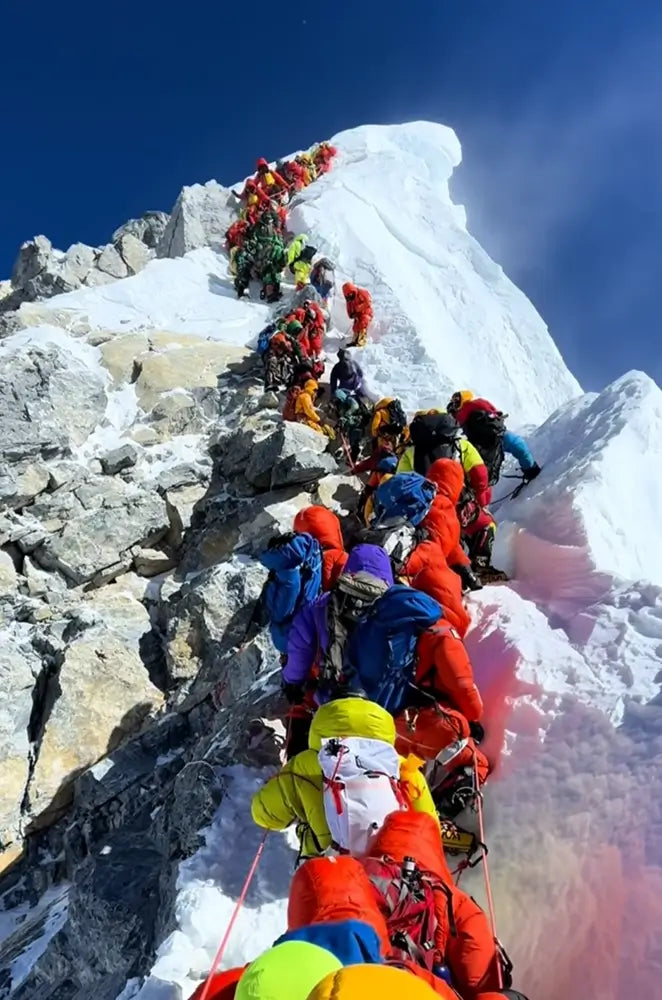
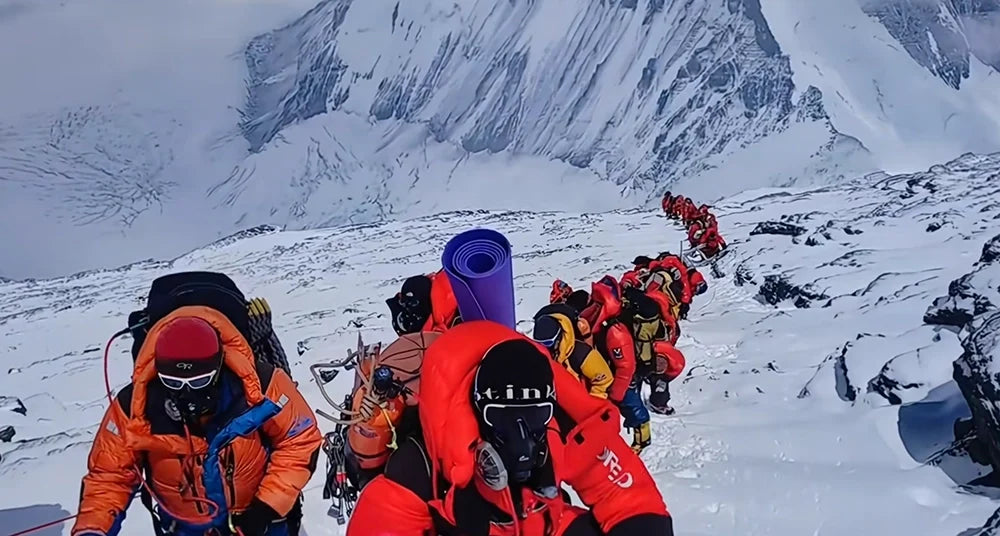
These systems help more people attempt Everest, but every item can create packaging, damage or leftover material. Commercial climbing is not the only cause of waste. The problem is scale. When the system grows faster than responsibility and enforcement, waste grows too.
New Ways to Clean Everest
Everest cleanup is slowly changing.
Dedicated Cleanup Campaigns
The Nepal Army, environmental organisations, mountaineering groups and private companies have all supported Everest cleanup efforts. National Geographic has reported on government-led waste removal. The exact amount removed varies by year, but the direction is clear: Everest waste is too large for individual expeditions to solve alone.
Stricter Waste Management
Some expedition operators require clients to carry personal rubbish down, use waste bags and follow camp procedures. Responsible companies build waste management into the expedition plan instead of treating it as an afterthought.
Drone Transport
Recent reports describe the use of drones for supply transport and waste removal in parts of the Everest region. TechRadar reported in 2026 that DJI’s FlyCart 100 helped carry supplies and bring waste down during the spring season, reducing some dangerous journeys through the Khumbu Icefall. Drones will not solve the whole problem, but they may reduce risky load carries.
Better Tracking and Transparency
Future Everest cleanup should not only ask how much waste is removed. It should also track how much each team brings in, how much they take out, and whether workers are being asked to carry unfair cleanup burdens.
What Responsibility Do Climbers Have
Climbers cannot pass all environmental responsibility to the government, expedition companies or Sherpa teams.
If someone can afford a major Everest expedition, they can also take responsibility for their impact. A mature climber should:
- Avoid dropping food wrappers
- Use required waste bags
- Carry down personal rubbish
- Avoid abandoning repairable gear
- Follow human waste procedures
- Choose operators with transparent environmental policies
- Not leave rubbish for workers to deal with
- Support reasonable cleanup fees and local environmental projects
Everest is not only a stage for personal dreams. It is also a homeland, a workplace and a global natural symbol.
Do Trekkers Also Affect the Everest Region
Yes. The waste issue is not only about summit climbers. Thousands of trekkers travel the Everest Base Camp route every year. Tea houses, villages and trails must deal with plastic bottles, snack wrappers, batteries, wet wipes and general rubbish.
For trekkers, the rules are simple:
- Avoid single-use plastic bottles
- Carry a reusable bottle and water treatment method
- Do not leave wet wipes
- Pack out batteries and plastic
- Support environmentally responsible lodges and guides
- Remember that local waste systems are limited
Everest environmental responsibility does not begin above 8000 metres. It begins with every visitor entering the valley.
Is Everest Becoming an Unrecoverable Garbage Mountain
Saying Everest is completely ruined would be too strong. Saying the problem is minor would be dishonest.
Everest remains extraordinary, but it carries long-term waste pressure. Cleanup campaigns, policy changes, drones, education and stricter expedition management can help. But as long as large numbers of climbers and support systems enter the region, waste will not disappear by itself.
The real measure of success is not only how many tonnes are removed in one campaign. It is whether future seasons leave less behind.
Conclusion
Why does Everest have a waste problem? Because extreme altitude and large-scale human ambition meet in the same place. An oxygen bottle, tent, food packet or toilet bag might seem small at lower altitude. High on Everest, each one becomes a transport problem, a cleanup problem and an ethical problem.
Everest conservation is not a slogan. It requires responsibility from climbers, companies, governments, workers and trekkers. Reaching the top of the world is impressive, but if success depends on leaving waste for the mountain and the next generation, something is missing.
Respecting Everest does not only mean standing on the summit. It also means leaving as little of yourself behind as possible.

Leave a comment
All comments are moderated before being published.
This site is protected by hCaptcha and the hCaptcha Privacy Policy and Terms of Service apply.