
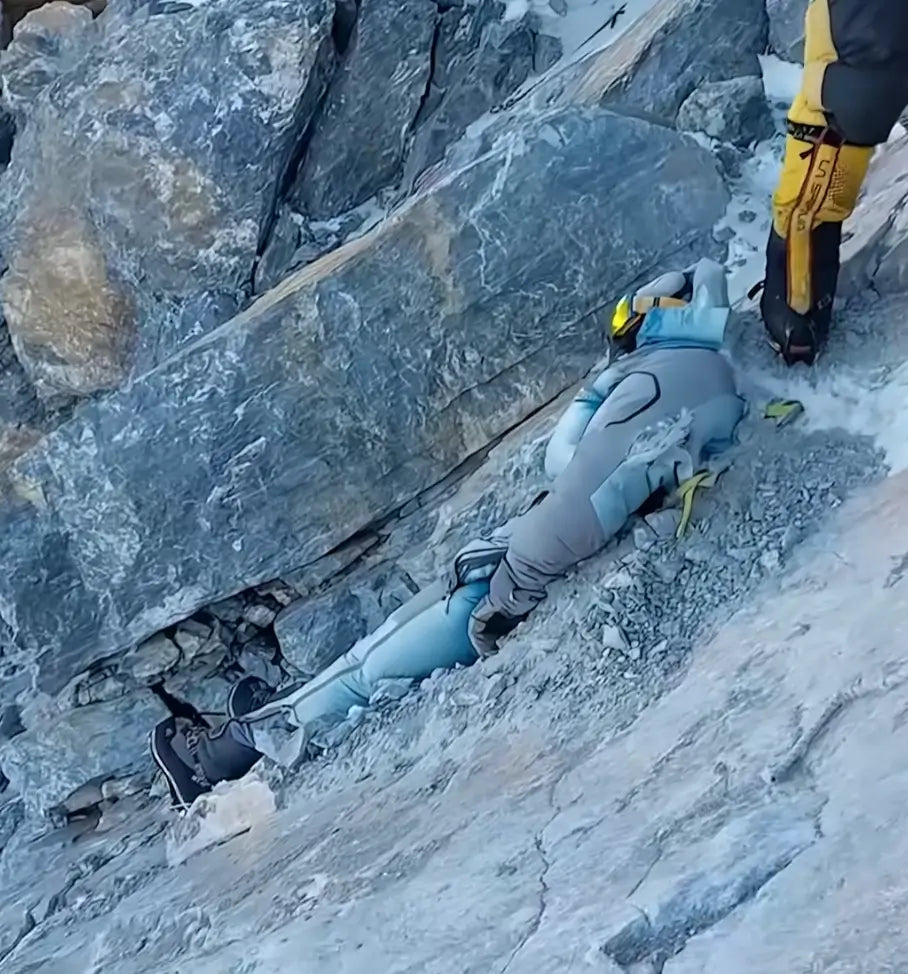
When people talk about Everest dangers, they often think of avalanches, crevasses, storms, falls and the death zone. But for many climbers, one of the earlier and more easily underestimated risks is altitude sickness.
Altitude sickness is not just “a bit of a headache”. Mild symptoms may include headache, nausea, poor sleep and loss of appetite. Severe altitude illness can develop into high-altitude cerebral edema or high-altitude pulmonary edema, both of which can be life-threatening. On Everest, where the body is already fighting cold, fatigue and low oxygen, ignoring symptoms can become dangerous very quickly.
This article is not medical diagnosis or personal treatment advice. It is a practical explanation of why altitude sickness on Everest matters, why acclimatisation is slow, and why “just keep pushing” can be the worst decision on the mountain.
Quick Answer
Altitude sickness is dangerous on Everest because:
- Everest is extremely high and oxygen pressure is low
- Acute mountain sickness can progress to HACE or HAPE
- Hypoxia can reduce judgement and self-awareness
- Descent and rescue become harder the higher you are
- Oxygen, medicine and rest may buy time but do not replace descent
- In the death zone, the body has little room to recover
In simple terms, altitude sickness is dangerous because it is common, easy to dismiss and potentially fast-moving when it becomes severe.
What Is Altitude Sickness
Altitude sickness happens when the body does not adapt quickly enough after ascent to high altitude. The CDC Yellow Book explains that acute mountain sickness often feels like a hangover. Headache is the key symptom, commonly accompanied by loss of appetite, dizziness, fatigue, nausea or vomiting. Symptoms often appear several hours after arrival at altitude or after climbing higher, especially during or after the first night.
In the Everest region, trekkers and climbers move from Lukla through Namche Bazaar, Dingboche and toward Base Camp, gaining altitude over days. For summit climbers, Base Camp is not the end. It is the beginning of the climb through Camp 1, Camp 2, Camp 3, Camp 4 and the upper mountain.
The higher you go, the more seriously altitude symptoms must be treated.
Acute Mountain Sickness AMS
Acute mountain sickness, or AMS, is the most common altitude illness.
Common symptoms include:
- Headache
- Nausea or vomiting
- Loss of appetite
- Fatigue
- Dizziness
- Poor sleep
- Unusual effort while walking
Mild AMS does not always mean the expedition is over, but it is a warning. The usual response is to stop ascending, rest, monitor symptoms, hydrate and follow medical or guide advice. If symptoms worsen, continuing higher is unsafe.
One of the most dangerous sentences on Everest is: “I feel bad, but I’ll probably be better if I keep going.” Sometimes symptoms improve. Sometimes they do not. Altitude problems should not be handled with pride.
High-Altitude Cerebral Edema HACE
High-altitude cerebral edema, or HACE, is a severe neurological form of altitude illness. It may involve confusion, loss of coordination, unusual behaviour, severe headache and extreme fatigue.
If a climber becomes confused, slow to respond, unable to walk straight or unable to perform simple tasks, teammates should not assume they are just tired. At altitude, these can be serious warning signs.
HACE is especially dangerous because it damages judgement. A climber with HACE may insist they are fine and refuse to descend. This is why team observation matters. Everest is not a place where self-assessment alone is always reliable.
High-Altitude Pulmonary Edema HAPE
High-altitude pulmonary edema, or HAPE, is another serious altitude illness. It affects the lungs and makes oxygen exchange difficult.
Warning signs may include:
- Shortness of breath at rest
- Worsening cough
- Chest tightness
- Sharp drop in walking ability
- Blue lips or fingernails
- Rapid heart rate
- Frothy sputum
HAPE can be deceptive. A climber may think they only have a cold, cough or poor fitness. But at high altitude, cough and breathlessness need attention. Wilderness Medical Society guidance emphasises gradual ascent as the main method of HAPE prevention, and descent is central when serious illness occurs.
Why Altitude Sickness on Everest Is So Complicated
Altitude sickness is dangerous on Everest not only because the mountain is high, but because everything around it is difficult.
Recovery Is Hard at Altitude
Everest Base Camp is above 5000 metres. Camp 2 is around 6400 metres. Camp 3 is around 7200 metres. Camp 4 is close to 8000 metres. The higher you go, the worse sleep becomes and the harder it is to eat, drink and recover. You are not resting in a comfortable hotel. You are recovering in wind, snow and thin air.
Symptoms Can Look Like Normal Expedition Fatigue
Headache, nausea, poor appetite, tiredness and bad sleep can all sound like ordinary expedition discomfort. They can also be early AMS symptoms. Inexperienced climbers may struggle to tell the difference.
Descent Becomes Difficult
On a low-altitude hike, feeling unwell may simply mean walking down. High on Everest, descent may involve fixed ropes, ice slopes, crevasses, darkness, wind and crowded routes. The later the decision is made, the harder descent becomes.
Summit Pressure Distorts Judgement
After spending a large amount of money, training for years and reaching high camp, it is emotionally hard to turn around. Altitude sickness becomes especially dangerous when climbers know the risk but cannot accept that it is happening to them.
How to Prevent Altitude Sickness on Everest
There is no guaranteed prevention, but risk can be reduced.
Ascend Slowly
This is the most important principle. CDC and Wilderness Medical Society guidance both emphasise gradual ascent. On Everest, this is why expeditions use approach treks, acclimatisation days, rotations and the “climb high, sleep low” strategy.
Do Not Push Up While Ill
If symptoms are already significant during the approach, rushing higher is a mistake. Poor acclimatisation early can damage the rest of the expedition.
Eat and Hydrate
High altitude reduces appetite, but not eating weakens recovery. Hydration matters too, though not every symptom should be blamed on dehydration. A headache may be dehydration, but it may also be altitude illness.
Avoid Alcohol and Hard Exercise Early
On arrival at altitude, alcohol and heavy exercise can worsen adaptation. The body needs time, not bravado.
Watch Sleep and Mental State
Poor sleep is common. But poor sleep with severe headache, nausea, poor coordination or confusion should be treated seriously.
Discuss Medication With a Doctor
Acetazolamide, often known as Diamox, is commonly used for altitude illness prevention or acclimatisation support, but it is a medication. Dose, timing, side effects and contraindications should be discussed with a medical professional. Severe illness may involve oxygen, dexamethasone, nifedipine or portable hyperbaric treatment, but those decisions belong to qualified medical staff.
When Descent Is Necessary
A common mountain rule is: if symptoms worsen, do not ascend; if severe symptoms appear, descend.
Warning signs include:
- Headache worsening after rest
- Repeated vomiting
- Poor coordination
- Confusion
- Abnormal speech
- Shortness of breath at rest
- Worsening cough
- Blue lips
- Extreme weakness
- Inability to care for oneself
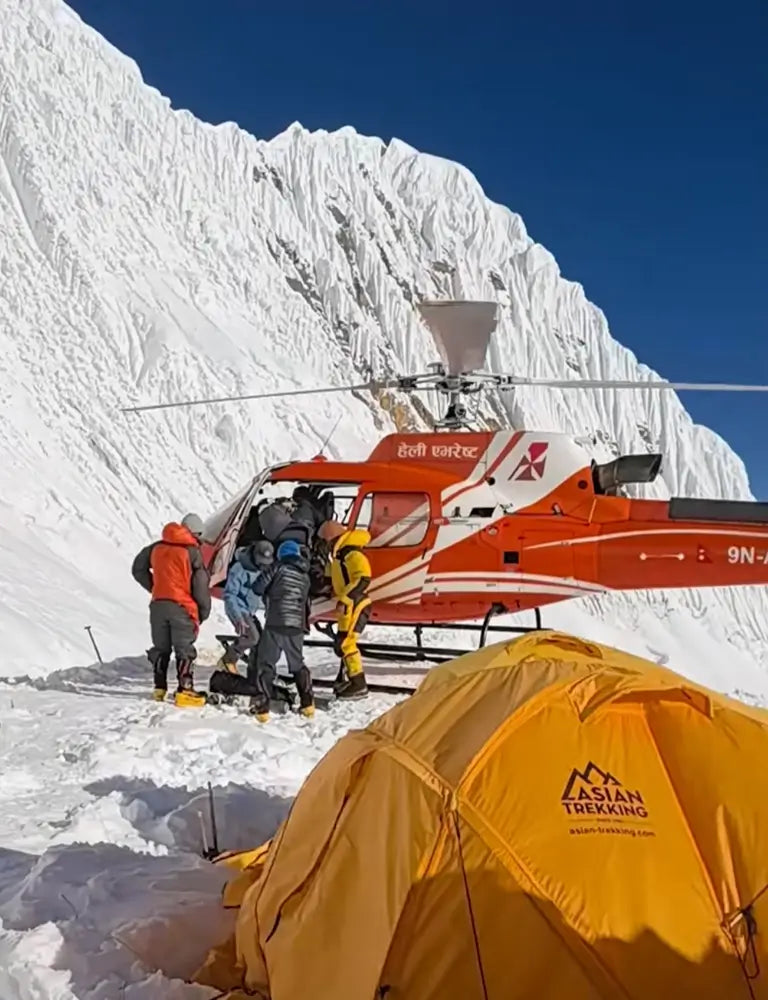
On Everest, oxygen and medication may buy time, but they do not turn serious altitude illness into a minor problem. The real treatment is often descent to lower altitude and medical assessment.
Can Oxygen Solve Altitude Sickness
Supplemental oxygen can reduce hypoxic stress and help climbers stay functional. But it is not a magic shield.
A climber using oxygen can still:
- Develop altitude illness
- Worsen if flow is too low
- Become unsafe if equipment fails
- Continue upward because they feel temporarily better
- Deteriorate quickly if oxygen runs out
Oxygen does not replace acclimatisation. It does not replace descent. It is a tool, not a guarantee.
Should Everest Base Camp Trekkers Worry Too
Yes. Everest Base Camp trekkers do not climb the summit, but they still reach elevations above 5000 metres. Many trekkers experience headache, insomnia, nausea or appetite loss around Dingboche, Lobuche, Gorak Shep or Base Camp.
For trekkers, the basic rules are the same:
- Walk slowly
- Include acclimatisation days
- Avoid rushing the itinerary
- Report symptoms honestly
- Listen to guides
- Descend if severe symptoms appear
- Check insurance for high-altitude rescue coverage
Do not underestimate altitude just because it is “only trekking”. Altitude sickness does not care whether you are a climber or a walker.
How Expeditions Should Manage Altitude Risk
A responsible Everest expedition should have a clear altitude illness plan.
Good systems include:
- Sensible approach schedule
- Clear acclimatisation rotations
- Doctor or medical support
- Daily observation of climbers
- Encouragement to report symptoms
- No shame around descent
- Oxygen and emergency medicine
- Defined evacuation routes
- Strict turnaround times
A good team does not answer every problem with “keep going”. On Everest, professionalism often means being willing to say no.
Conclusion
Why is altitude sickness dangerous on Everest? Because it often begins with ordinary discomfort but can become life-threatening. Headache, nausea, poor sleep and loss of appetite may sound normal, but on Everest they deserve attention.
The core of prevention is not a miracle drug. It is gradual ascent, proper acclimatisation, honest symptom reporting, stopping when symptoms worsen and descending when necessary. A mature climber does not treat altitude sickness as something to be endured at all costs.
Everest has plenty of brave people. What it needs most are clear-headed ones.

Leave a comment
All comments are moderated before being published.
This site is protected by hCaptcha and the hCaptcha Privacy Policy and Terms of Service apply.