
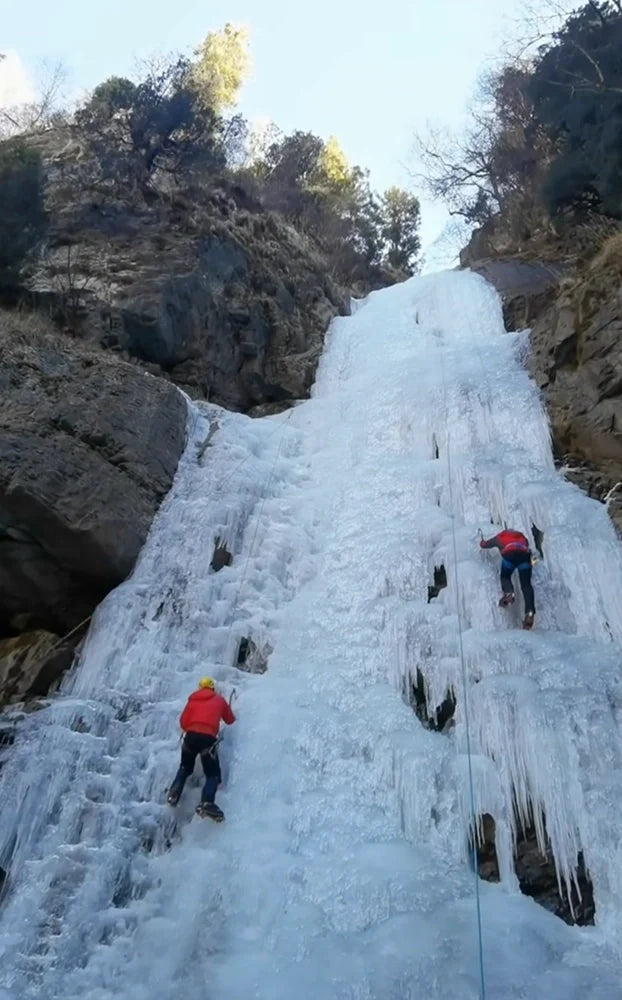
If someone has never climbed at high altitude but suddenly says they want to climb Everest, experienced mountaineers usually do not start by talking about price, gear or expedition companies. They ask a simpler question: what have you climbed before?
That question is not meant to discourage people. It is a risk question. Everest should not be your first snow mountain, and it should not be the first place where you discover how your body reacts to altitude. A sensible Everest progression is like a staircase: trekking, high-altitude trekking, 5000 metres, 6000 metres, 7000 metres, then perhaps 8000 metres and Everest.
Ian Taylor Trekking suggests considering climbs such as Kilimanjaro, Mont Blanc, Elbrus, Mera Peak, Lobuche Peak, Cotopaxi, Chimborazo, Aconcagua and Denali before Everest. The value of that list is not that every climber must follow it exactly. The value is the principle: Everest requires broad, progressive experience.
Quick Answer
A sensible progression before Everest might include:
- High-altitude treks: Everest Base Camp, Kilimanjaro, Andes or Himalayan treks
- Basic snow mountains: Mont Blanc, Mount Rainier, Elbrus
- 6000 metre peaks: Mera Peak, Island Peak, Lobuche East
- 7000 metre peaks: Himlung Himal, Baruntse, Mustagh Ata
- 8000 metre experience: Cho Oyu, Manaslu or another established expedition
- Everest only after that foundation
Not everyone needs the same mountain list. But before Everest, you should know how your body and mind behave at 6000 metres, 7000 metres and during a long expedition.
Why You Should Not Jump Straight from Trekking to Everest
Some people say that modern Everest has commercial teams, oxygen, fixed ropes and Sherpa support, so perhaps experience matters less.
Commercial support does lower some barriers. But it does not remove altitude, cold, hypoxia, fatigue, weather, frostbite, descent risk or personal responsibility.
Without experience above 6000 metres, you may not know:
- Whether you suffer severe altitude headaches
- Whether your judgement changes in thin air
- Whether you can keep moving after appetite loss
- How your body reacts after several bad nights of sleep
- Whether you can handle crampons and thick gloves
- Whether you can calmly descend when you want to quit
- How you react to faster or slower teammates
You cannot imagine these things at a desk, and you cannot prove them with gym numbers. They need to be tested in real mountains.
Step One High-Altitude Trekking
If you have no altitude experience, the first step is not a snow peak. It is high-altitude trekking.
Good first objectives include:
- Everest Base Camp trek
- Annapurna region treks
- Kilimanjaro
- High treks in Peru or Bolivia
- Long Alpine trekking routes
- High valley routes in Nepal, India or Pakistan
These routes may not require technical climbing, but they introduce altitude. You learn how it feels to sleep at 4000 or 5000 metres, whether you lose appetite, whether headaches appear and how slowly you need to move.
The Everest Base Camp trek is especially useful for people interested in Everest. It does not prove you can summit Everest, but it shows the Himalayan expedition environment and the rhythm of approaching the mountain.
Step Two Basic Snow and Technical Mountains
After high-altitude trekking, the next step is learning snow and mountain skills. The goal is not maximum altitude. The goal is competence.
Useful mountains may include:
Mont Blanc
Mont Blanc is a classic European alpine objective. It can teach snow travel, rope movement, weather judgement and alpine hut routines. But it is not a simple hike, and accidents happen every year.
Mount Rainier
Mount Rainier is often used by North American climbers as a training mountain. It involves glacier travel, rope teams, crevasse risk and loaded uphill movement. It is a good place to learn team movement and basic snow skills.
Elbrus
Elbrus is over 5600 metres and one of the Seven Summits. It is not highly technical by standard routes, but altitude, cold, long slopes and weather can all provide useful experience.
At this stage, the real goal is to become comfortable with crampons, ice axe, harness, ropes, fixed lines and mountain pacing.
Step Three 6000 Metre Peaks
The 6000 metre level is one of the most important steps toward Everest. Alpenglow Expeditions notes that intermediate peaks are often between 6000 and 7000 metres, involve an approach to Base Camp and may include one or more camps before the summit. This is where climbing begins to feel more like an expedition.
Mera Peak
Mera Peak is about 6476 metres and is often described as a gateway to higher Himalayan climbing. It is usually not highly technical, but the altitude is real. For many climbers, it is the first honest test above 6000 metres.
Island Peak
Island Peak is about 6189 metres and usually feels more technical than Mera. It may involve glacier travel, fixed ropes, steeper snow and a more complex summit day. Many Everest Base Camp trekkers use Island Peak as a first step from trekking into climbing.
Lobuche East
Lobuche East is about 6119 metres and is a common training peak in the Everest region. Ian Taylor Trekking describes it as requiring technical skills, proper training and strong fitness, including fixed ropes, crampons and ice axe use. It is a good test of combining fitness with technique.
The 6000 metre stage teaches you how to sleep, eat, hydrate and care for yourself high on a mountain.
Step Four 7000 Metre Peaks
If 6000 metre climbs go well, the next step may be a 7000 metre expedition. This is where the Everest-style expedition feeling becomes more serious.
Possible objectives include:
- Himlung Himal
- Baruntse
- Mustagh Ata
- Lenin Peak
- Aconcagua
- Other established commercial routes around 7000 metres
Strictly speaking, Aconcagua is just under 7000 metres, but it is long, high, windy and often used as an expedition training objective. Mustagh Ata is often considered a relatively approachable 7000 metre peak, though approachable does not mean easy.
Namas Adventure recommends completing at least two climbs of 6000 metres or higher before attempting a 7000 metre peak. That is sensible advice. A 7000 metre climb is not just a slightly longer 6000 metre climb. Recovery is slower, sleep is worse, cold is stronger and the risk is higher.
Do You Need 8000 Metre Experience Before Everest
This is debated. Some climbers believe that before Everest, it is wise to climb a more established 8000 metre peak such as Cho Oyu or Manaslu. Alan Arnette’s Everest FAQ suggests climbing to 8000 metres on Cho Oyu before Everest, ideally with the same guide, to experience expedition life and understand how the body performs.
This does not mean Everest is impossible without previous 8000 metre experience. But if you have never been close to 8000 metres, many reactions remain untested.
An 8000 metre expedition can teach:
- How quickly your body deteriorates at extreme altitude
- The real difference between oxygen and no oxygen
- The stress of high camps
- The mental cost of waiting for a summit window
- How dangerous exhaustion can be on descent
- How long expeditions affect mood and judgement
If time, budget and access allow, an 8000 metre climb before Everest is a strong preparation step.
What Different Mountains Teach
When choosing preparation climbs, do not look only at altitude. Ask what each mountain teaches.
Altitude Response
Kilimanjaro, Everest Base Camp, Mera Peak and Aconcagua can help you understand how your body reacts to altitude.
Snow and Ice Skills
Mont Blanc, Rainier, Island Peak and Lobuche East can train crampon use, rope systems, snow slopes and fixed-line movement.
Expedition Life
Aconcagua, Denali, Baruntse, Cho Oyu and Manaslu are better for learning long camp life, weather waiting, load management and mental stability.
Cold and Load Carrying
Denali is especially useful. It is much lower than Everest, but cold, load carrying, self-sufficient team movement and weather pressure make it a serious training ground.
A Possible Route for Ordinary Climbers
A realistic 3 to 5 year progression might look like this:
Year one: long hikes, high-altitude treks and basic fitness.
Year two: snow skills courses and 4000 to 5000 metre peaks.
Year three: a 6000 metre peak such as Mera, Island or Lobuche.
Year four: a 7000 metre peak, Aconcagua or Denali-style expedition.
Year five: consider an 8000 metre peak or Everest, depending on readiness.
This is not the only path. But it is much more reliable than training this year and going straight to Everest next year.
Common Mistakes
Looking Only at Altitude
Some 6000 metre peaks are more technical than some 7000 metre peaks. Route character matters more than the number alone.
Joining Commercial Teams Without Learning
Commercial support helps, but it does not replace personal skill. You must learn to manage equipment, pace and body condition.
Choosing Only Easy Objectives
If every preparation climb is the easiest possible version, you may never discover your weaknesses. Difficulty should increase gradually.
Rushing to Everest
High-altitude experience takes time to settle. One success does not prove consistent ability. Repeated success in different conditions is much more meaningful.
Conclusion
What are the best mountains to climb before Everest? There is no single fixed list. What matters is progression. Use high-altitude treks to understand your body. Use basic snow mountains to learn skills. Use 6000 metre peaks to enter serious altitude. Use 7000 metre expeditions to test endurance and patience. If possible, use an 8000 metre climb to understand extreme altitude before Everest.
Everest should not be the first place where a climber proves courage. It should be the result of patient preparation. A responsible climber does not only ask, “How fast can I get to Everest?” They ask, “Which layer of experience am I still missing?”
Mountains do not lower risk because we have dreams. Step by step may sound slow, but it is the most honest road to Everest.
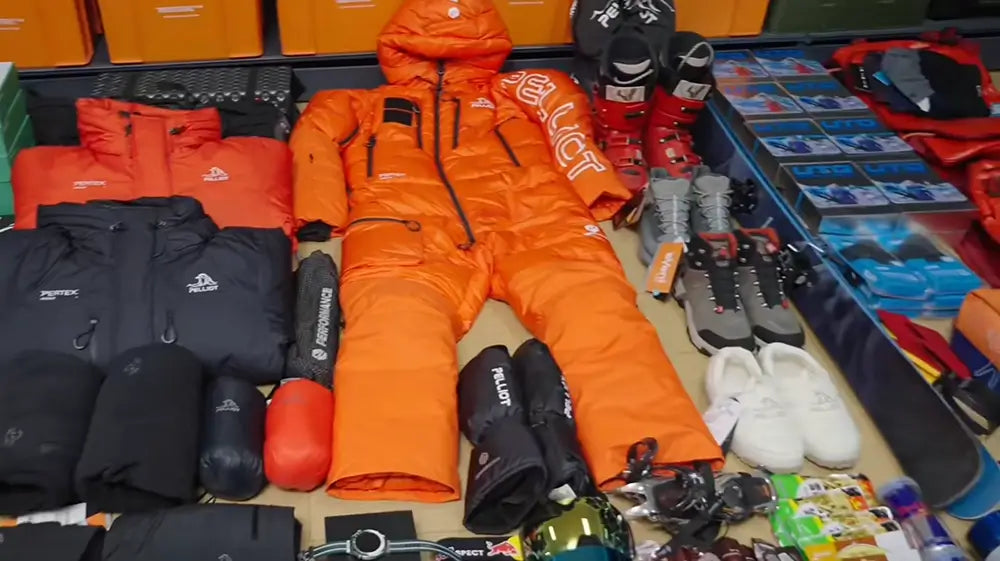
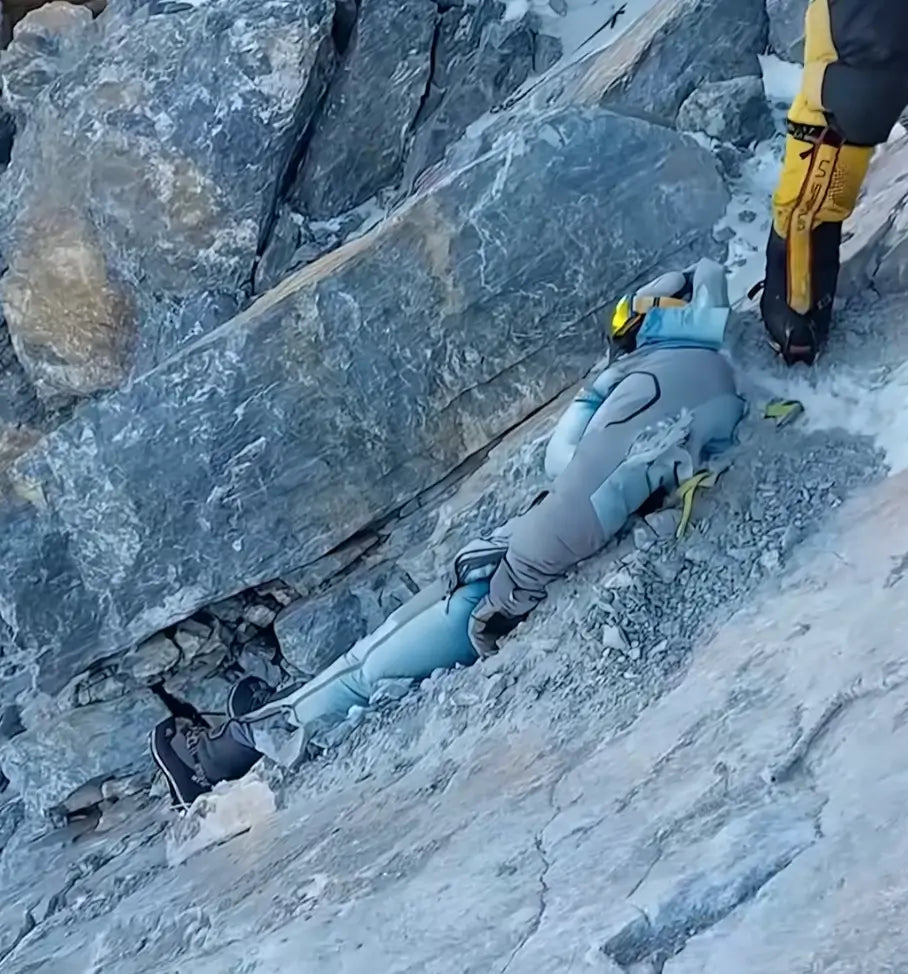

Leave a comment
All comments are moderated before being published.
This site is protected by hCaptcha and the hCaptcha Privacy Policy and Terms of Service apply.