
Quick Answer
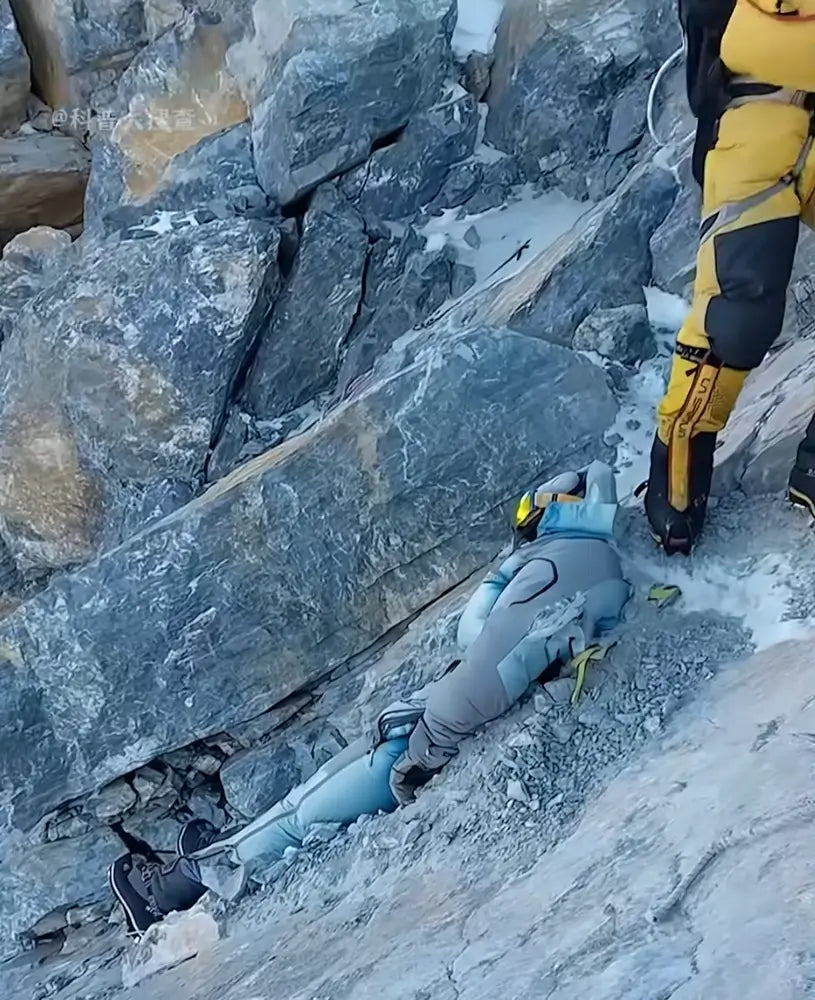
The Everest Death Zone usually refers to the area above 8000 metres. At this altitude, the air is extremely thin, oxygen pressure is very low, and the human body cannot properly adapt or recover for long. Even with supplemental oxygen, climbers can only spend a limited time there.
Mount Everest is 8848.86 metres high, so climbers enter the Death Zone when they move above the highest camps toward the summit. Every step becomes slower. Every decision becomes harder. Every extra minute costs energy and oxygen.
So, what is the Death Zone on Everest? It is not a signpost on the mountain. It is a high-altitude zone where the human body cannot sustain normal function for long.
Why Is It Called the Death Zone
The name sounds dramatic, but the reason is physiological. As altitude increases, atmospheric pressure falls. The air still contains about 21 percent oxygen, but the lower pressure means the body can take in far less usable oxygen with each breath.
Above 8000 metres, the body can no longer fully acclimatise. A climber can enter this zone for a short time, but cannot live or recover there in any normal sense.
At lower altitude, rest, food and sleep can restore strength. In the Death Zone, sleep is poor, digestion is limited and the body continues to lose ground.
Where Does Everest Enter the Death Zone
On the south side of Everest, climbers usually enter the Death Zone around the South Col and Camp 4, close to 7900 to 8000 metres. This is the last high camp before the summit push.
On the north side, climbers leaving the highest camp around 8300 metres are already deep in the Death Zone. They still have to climb along the Northeast Ridge and pass the First Step, Second Step and Third Step before reaching the summit.
This is why Everest summit day is so serious. Climbers are not leaving from a comfortable camp. They are starting from an altitude where the body is already unable to recover properly.
What Happens to the Body in the Death Zone
The first problem is oxygen shortage. Breathing becomes harder, the heart works harder, movement slows and simple tasks become difficult.
Common effects include:
- Extreme fatigue
- Slower reaction time
- Poor judgement
- Higher frostbite risk
- Loss of appetite
- Nausea or headache
- Poor sleep
- Slow walking pace
- Reduced emotional control
- Impaired decision making
Many climbers describe simple tasks above 8000 metres as surprisingly hard: fastening a boot, adjusting a glove, changing an oxygen bottle or drinking water. The task is not complicated. The brain and muscles are simply starved of oxygen.
HAPE and HACE
Two of the most serious altitude illnesses are high-altitude pulmonary edema and high-altitude cerebral edema.
High-altitude pulmonary edema, or HAPE, happens when fluid builds up in the lungs. It can cause severe breathlessness, coughing, chest tightness, weakness and falling oxygen levels. Without descent and treatment, it can be fatal.
High-altitude cerebral edema, or HACE, happens when the brain reacts dangerously to low oxygen. Symptoms can include loss of coordination, confusion, abnormal behaviour, severe headache, drowsiness and coma. Cleveland Clinic describes HACE as a life-threatening form of altitude sickness that requires emergency care.
In the Everest Death Zone, these conditions are especially dangerous because rescue is difficult, descent is slow and the affected climber may no longer think clearly.
Does Supplemental Oxygen Solve the Problem
Supplemental oxygen helps, but it does not make the Death Zone safe.
Most commercial Everest climbers use oxygen bottles, masks and regulators. Oxygen can improve movement, thinking, warmth and summit chances. It is one of the key reasons modern Everest climbing is possible for many guided climbers.
But oxygen systems also create risks:
- Bottles can run empty
- Regulators can fail
- Masks can ice up or leak
- Flow rates can be mismanaged
- Queues can waste oxygen
- Not enough backup oxygen can affect descent
The most important point is this: even with bottled oxygen, climbers remain in an extreme high-altitude environment. Oxygen is support, not protection from all risk.
Why Climbers Cannot Stay Long
In the Death Zone, the body cannot rebuild what it is using. Digestion is poor, sleep is poor, dehydration becomes easier, muscle recovery is limited and frostbite risk increases.
This is why expedition teams try to limit time above 8000 metres. Summit day schedules are strict, and turnaround times matter. If a climber is too slow, too tired, low on oxygen or caught in worsening weather, the correct decision is to descend.
Many Everest accidents happen not because climbers do not know where the summit is, but because they stay too long above the safe margin.
Why Descent Is So Dangerous
Many people imagine the summit as the most dangerous moment. In reality, many Everest deaths happen after climbers have reached the top and begun descending.
The reasons are simple:
- The summit push uses huge energy
- Oxygen supplies may be low
- Weather can deteriorate
- Queues can delay movement
- Judgement is impaired
- Downclimbing mistakes are common
- Darkness increases risk
- Rescue is extremely difficult
Reaching the summit is not the end. In safety terms, it is only halfway. Climbers still have to descend to the South Col or north side high camp, then continue lower.
In the Death Zone, the later the descent begins, the fewer choices remain.
What Ordinary Travellers Should Know
If you are trekking to Everest Base Camp, you do not enter the Death Zone. Nepal Everest Base Camp is around 5364 metres, which is high but far below 8000 metres.
Altitude sickness can still happen on the Everest Base Camp trek, so trekkers should acclimatise slowly, watch symptoms and descend if necessary.
If you are thinking about climbing Everest, the Death Zone is not a dramatic nickname. It is one of the central realities of the mountain. It affects the body, the mind and the ability to retreat.
Final Thoughts
The Death Zone on Everest usually means the area above 8000 metres. There is too little oxygen for the human body to adapt for long. Climbers face extreme fatigue, slow thinking, poor judgement, frostbite risk and serious altitude illnesses such as HAPE and HACE.
Supplemental oxygen helps, but it does not remove the danger. The safest strategy is to limit time in the Death Zone, follow turnaround times and remember that the summit is not the finish. Descent is the real test.
Everest is frightening not only because it is high. It is frightening because, near the top, climbers are no longer only climbing a mountain. They are negotiating with the limits of the human body.

Leave a comment
All comments are moderated before being published.
This site is protected by hCaptcha and the hCaptcha Privacy Policy and Terms of Service apply.