
Quick Answer
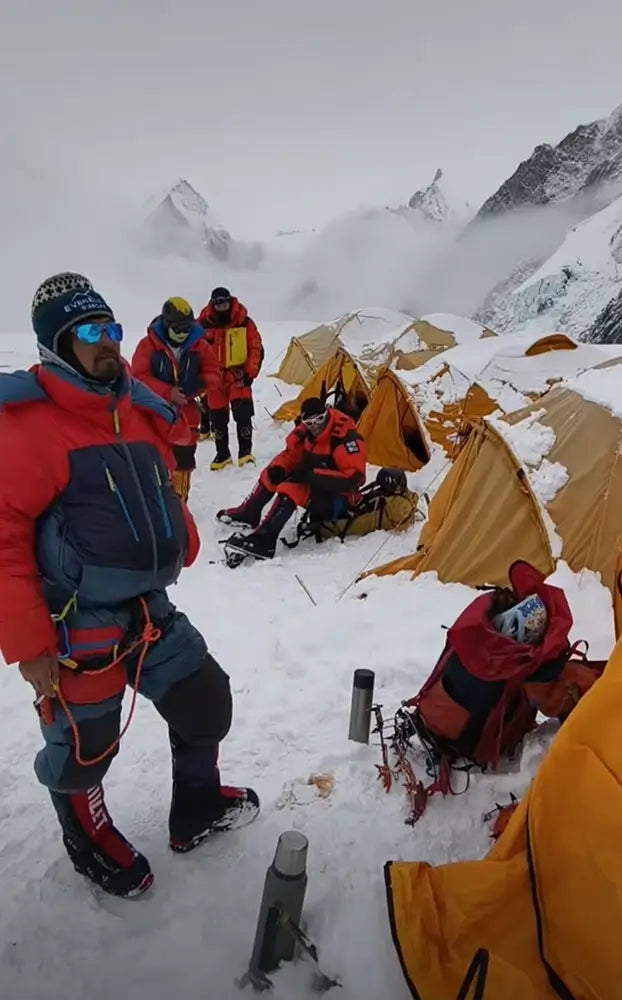
Everest Camp 1 Camp 2 Camp 3 and Camp 4 are the four main high camps on the South Col route from Nepal. They are not ordinary campsites. They are essential points for acclimatisation, rest, logistics, equipment movement and summit preparation.
In simple terms:
- Camp 1 is the transition camp above the Khumbu Icefall
- Camp 2 is the main advanced base for the south side
- Camp 3 is the high-altitude camp on the Lhotse Face
- Camp 4 is the South Col summit camp inside the Death Zone
Exact positions and altitudes can vary slightly by year, route conditions and expedition, but the basic role of each camp remains broadly consistent.
Why Everest Needs Multiple Camps
Climbers do not simply walk from Base Camp to the summit in one continuous push. Everest is too high for that.
South Everest Base Camp is around 5364 metres, while the summit is 8848.86 metres. Climbers need time to adapt to altitude, move gear and oxygen upward, establish camps and wait for a safe weather window.
That is why the camp system exists. Camps 1 to 4 work like high-altitude steps. Climbers move up and down the mountain during Everest acclimatisation rotations, gradually exposing the body to thinner air before returning lower to recover.
The higher the camp, the less comfortable it becomes, and the closer climbers get to the serious danger zone.
Camp 1 The First Stop Above the Icefall
Everest Camp 1 sits above the Khumbu Icefall at around 6065 metres. Climbers leave Base Camp, cross the Icefall and reach Camp 1 near the entrance to the Western Cwm.
Camp 1 mainly serves as a transition and acclimatisation point. It gives climbers a place to rest after the Icefall and assess how their bodies are responding above 6000 metres.
It is not a comfortable camp. The surrounding terrain is glaciated and crevassed. Daytime heat can be intense when sunlight reflects off snow and ice, while nights become cold quickly. Many teams do not stay long here, using it as a staging point on the way to Camp 2.
Main Roles of Camp 1
- Rest point after the Khumbu Icefall
- First major camp above 6000 metres
- Early acclimatisation stop
- Transition point toward Camp 2
- Temporary camp during rotations
Camp 1 is where the climb begins to feel different from trekking. The expedition has entered the high mountain.
Camp 2 The Advanced Base on the South Side
Everest Camp 2 is usually around 6400 to 6500 metres, near the upper Western Cwm below the Lhotse Face. It is often called Advanced Base Camp on the south side.
Camp 2 is one of the most important camps on the route. Compared with Camp 1, it is more stable and more suitable for longer stays. Climbers rest here, acclimatise, eat, organise gear and prepare for movement up the Lhotse Face.
From Camp 2, teams may climb partway up the Lhotse Face for acclimatisation, then return to Camp 2 or descend all the way back to Base Camp.
Main Roles of Camp 2
- Main advanced base for the south side route
- Key acclimatisation camp above 6000 metres
- Rest and recovery point before the Lhotse Face
- Storage point for supplies, gear and oxygen
- Central hub during repeated rotations
If Base Camp is expedition headquarters, Camp 2 is the working base of the upper mountain.
Camp 3 The High Camp on the Lhotse Face
Everest Camp 3 is located on the Lhotse Face. Altitudes vary by source and season, often ranging from around 7160 metres to 7470 metres. It is not a flat campsite. It is built on a steep snow and ice slope.
To reach Camp 3, climbers ascend from Camp 2 on fixed ropes up the Lhotse Face. Crampons, ascenders and careful rope movement are required. The slope, hard ice, low oxygen and constant upward effort make this section demanding.
Camp 3 is mainly used for further acclimatisation and preparation before moving to the South Col. Some teams sleep here during a rotation. Others adjust the plan based on oxygen strategy, weather and climber condition.
Main Roles of Camp 3
- Acclimatisation above 7000 metres
- Preparation for Camp 4 and the summit phase
- Test of movement on the Lhotse Face
- Key point in high-altitude rotations
- Possible storage point for gear or oxygen
Camp 3 is not a place for long stays. Sleep is poor, recovery is weak and the camp sits in an exposed position. For many climbers, reaching Camp 3 is the first moment when Everest begins to feel truly severe.
Camp 4 The South Col Summit Camp
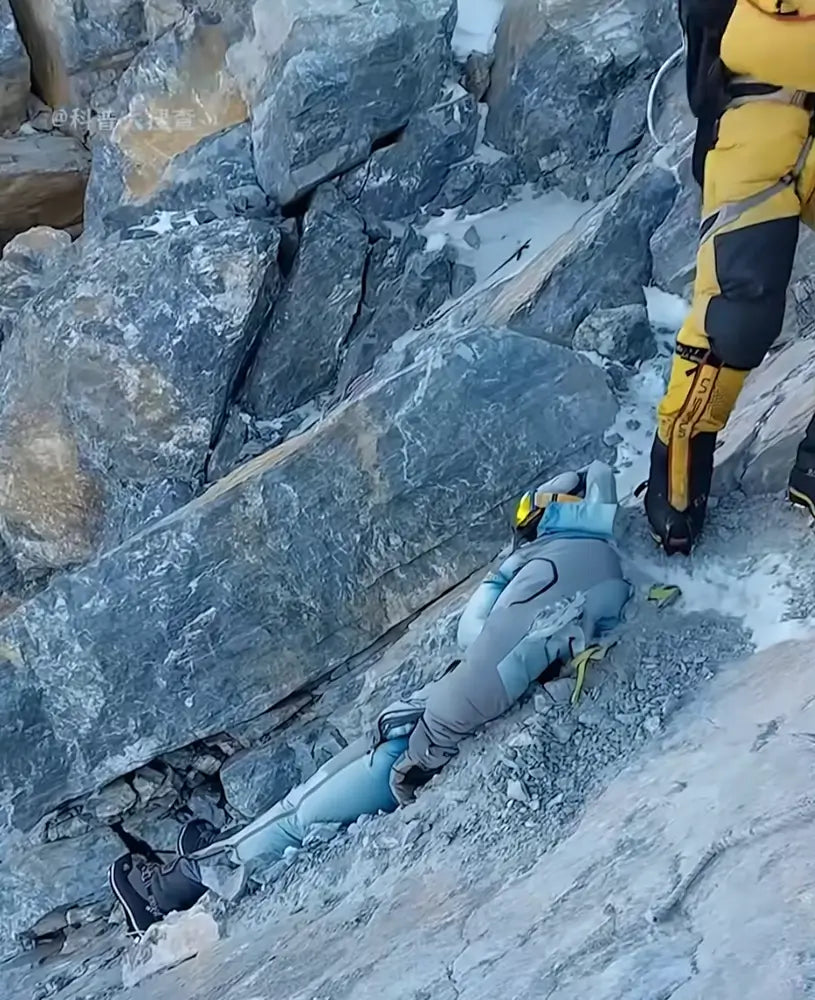
Everest Camp 4 sits on the South Col at roughly 7900 to 8000 metres. It is the final camp before the summit attempt on the south side and lies at the edge of the Death Zone.
The South Col is the saddle between Everest and Lhotse. It is windy, exposed, cold and extremely thin in oxygen. Camp 4 is not a recovery camp. Climbers usually rest briefly, hydrate, eat what they can, check oxygen systems, dress for the summit and wait for the night departure.
Main Roles of Camp 4
- Final camp before the summit push
- Oxygen system check and preparation point
- Last equipment and clothing adjustment
- Waiting point for a weather window
- Place to set turnaround times and team rhythm
- Crucial return point after the summit attempt
Camp 4 exists to reduce exposure time in the Death Zone. The challenge is not sleeping well there. The challenge is still being able to make good decisions when the body is already exhausted.
How the Camps Work in Acclimatisation Rotations
Everest climbers do not usually move from Camp 1 to Camp 4 once and then summit. They rotate.
A simplified rotation plan might look like this:
First rotation: Base Camp to Camp 1 or Camp 2, then return
Second rotation: Camp 2 stay, touch or sleep at Camp 3, then return to Base Camp
Summit rotation: after rest, climb through Camp 2, Camp 3 and Camp 4, then attempt the summit
Every expedition is different. Weather, health, route conditions, oxygen strategy and crowding can change the schedule.
The goal of rotations is to help the body adapt to altitude while moving equipment and supplies higher. But every journey through the Khumbu Icefall and every climb up the Lhotse Face also adds fatigue and risk.
Which Camp Is the Most Dangerous
There is no simple answer, because each camp has different risks.
Before Camp 1, climbers must cross the Khumbu Icefall, one of the biggest objective hazards on the south side. Camp 2 is relatively more stable but still high and glaciated. Camp 3 sits on the steep Lhotse Face. Camp 4 is in or near the Death Zone, where the body cannot properly recover.
From a physiological point of view, Camp 4 is the most serious.
From an objective terrain point of view, the Icefall before Camp 1 is the most worrying.
From a sustained effort point of view, the climbs from Camp 2 to Camp 3 and Camp 3 to Camp 4 are both demanding.
Everest risk is not held in one place. It accumulates as the camps get higher.
Do Everest Base Camp Trekkers Visit These Camps
No. Ordinary Everest Base Camp trekkers do not visit Camp 1 to Camp 4. The standard Nepal EBC trek ends around Base Camp. The camps above Base Camp are part of the technical climbing route.
Understanding these camps helps explain the huge difference between visiting Everest Base Camp and climbing Everest. Base Camp is the start of the expedition. Camps 1 to 4 are where the real high-altitude climbing begins.
This is why Everest cannot be described as “a few extra days above Base Camp.” Those extra days are not normal trekking. They are a completely different level of risk.
Final Thoughts
Everest Camp 1 Camp 2 Camp 3 and Camp 4 form the structure of the South Col route. Camp 1 is the transition above the Khumbu Icefall. Camp 2 is the advanced working base. Camp 3 is the high camp on the Lhotse Face. Camp 4 is the South Col summit camp in the Death Zone.
Together, they allow climbers to acclimatise, rest, move supplies and wait for weather. They also mark the steady increase in risk: Icefall, glacier, Lhotse Face, South Col, low oxygen, cold and the Death Zone.
To understand Everest, it is not enough to know the summit is 8848.86 metres high. You also need to understand what each camp demands on the way there.

Leave a comment
All comments are moderated before being published.
This site is protected by hCaptcha and the hCaptcha Privacy Policy and Terms of Service apply.