
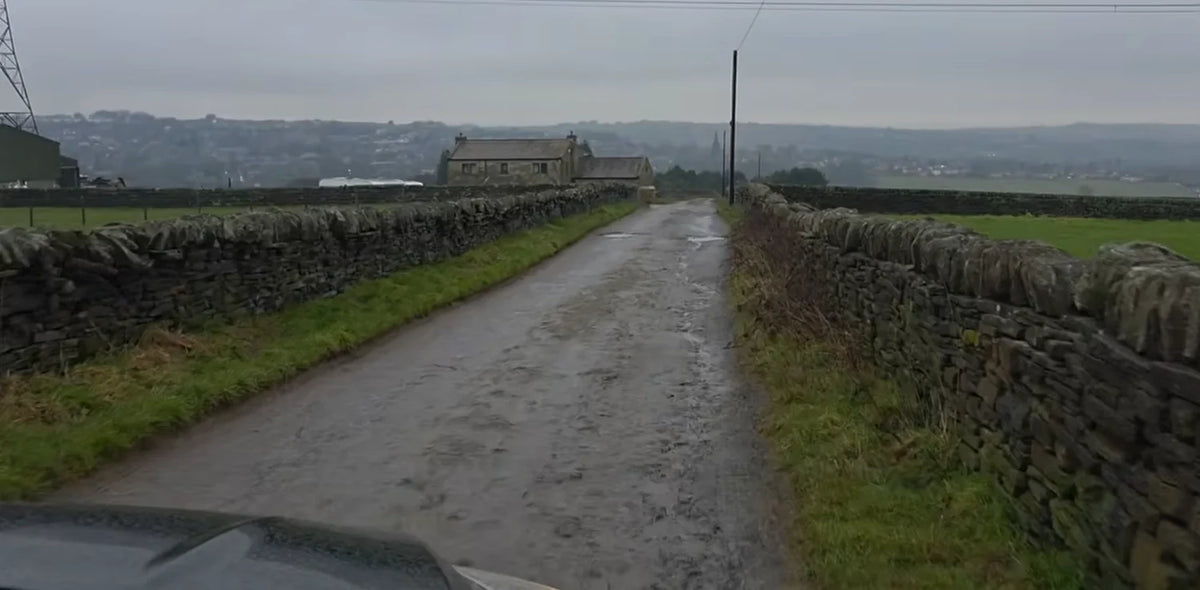
Is Solo Camping Actually Safe
Most people who try solo camping in the UK are not trying to prove anything. They usually just want a quiet night outside, a bit of space, and the small satisfaction of doing everything themselves. The nervous part often comes before the trip, not during it.
In reality, the biggest problems are usually ordinary ones: bad weather, poor signal, getting cold, arriving too late, choosing a poor pitch, or feeling uneasy somewhere and ignoring that feeling. Good solo camping is less about bravery and more about giving yourself enough margin.
That is probably the most useful way to think about Solo camping safety tips UK campers can actually use. Plan well enough that the evening feels calm.
Tell Someone Where You Are Going
This sounds obvious, but it is one of the habits experienced solo campers take seriously. Before leaving, tell someone the route, the rough camping area and when you expect to be back. If plans change, send an update while you still have signal.
In the Lake District, Snowdonia, Dartmoor and the Scottish Highlands, phone signal can disappear at exactly the moment you want it. A screenshot of your route or a dropped pin is better than a vague “somewhere near the hill”.
For anyone thinking about solo wild camping safety UK, this is the first non-negotiable step.
Make the First Trip Easy
A first solo camp does not need to be dramatic. In fact, it probably should not be. A quiet campsite, a familiar walking route, or a low level camp where it is legal and sensible will teach more than a big remote plan with too many unknowns.
People often ask, is solo camping safe for beginners. Usually, yes, if the first trip is chosen carefully. One night close to home is enough to learn how you feel in the tent, how your kit works, and what you would change next time.
Arrive Before You Need the Headtorch
Pitching in daylight makes everything easier. You can see if the ground drains well, whether the tent is exposed to wind, and whether there are better spots nearby. Arriving tired and hungry in the dark is when small problems start to feel bigger than they are.
Watch the Weather More Than the Worry
Many new solo campers worry about other people. Experienced campers usually worry more about weather. Wind, rain, cold and clag can turn a simple night into a long one.
Check the forecast properly: wind speed, gusts, overnight temperature, rain and visibility. If the forecast looks rough, change the plan. There is no prize for spending the night in a tent you no longer trust.
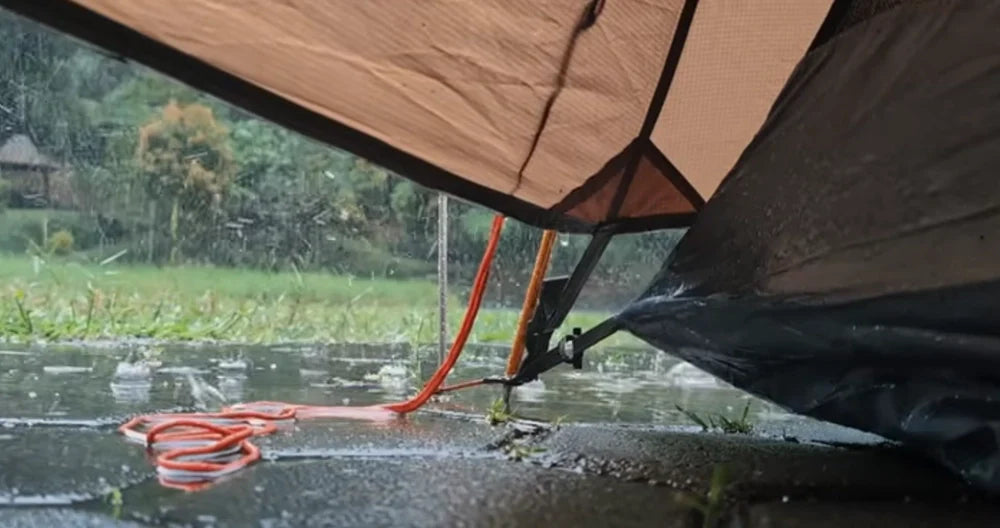
For UK camping, waterproofs and a warm layer are not “just in case” items. They are normal kit.
Pack a Small Safety Kit
A sensible solo camping checklist UK does not need to be huge, but it should cover the basics:
- Headtorch
- Power bank
- First aid kit
- Emergency blanket or bivy bag
- Offline maps
- Map and compass
- Whistle
- Waterproof jacket and trousers
- Warm layer
- Spare socks
- Food and water
- Personal medication
- Repair tape
A headtorch deserves special mention. A phone torch works until your battery is low, your hands are cold, and you need both hands to fix a guyline in the rain.
Trust the Feeling That Says Move
This is hard to explain until it happens. Sometimes a place just does not feel right. Maybe there are people too close. Maybe the ground is too exposed. Maybe the wind has shifted. Maybe there is no clear reason at all.
Move anyway.
That instinct is part of learning how to stay safe camping alone. You do not have to prove that the first pitch was the correct one. A ten minute move can be the difference between a restless night and a good one.
Keep Things Low Key
For wild camping, a low profile helps. Arrive quietly, pitch neatly, keep lights controlled, and leave early if appropriate. This is not about hiding in fear. It is about not turning a quiet camp into an event.
For those looking for solo female camping safety UK advice, the same principle applies: choose places that feel calm, keep trusted people informed, and do not talk yourself into staying somewhere that makes you uncomfortable.
Have Something to Do After Dinner
This sounds like comfort advice, but it helps with safety too. A settled mind makes better decisions. Bring a book, journal, downloaded podcast, camera, or map for tomorrow. Make a hot drink, sort the kit, check the weather again if there is signal, then relax.
A lot of solo campers say the same thing after a few trips: the silence feels strange at first, then it becomes the reason they go.
Do Less Than You Think You Can
For a first solo camp, choose an easier route than you would with friends. Leave spare energy for pitching, cooking, collecting water, changing layers and dealing with surprises. Tired campers rush. Rushed campers miss things.
The safest solo trips usually look quite ordinary from the outside. That is the point.
Final Thoughts
The best Solo camping safety tips UK hikers can follow are not complicated. Tell someone your plan. Start small. Watch the weather. Pack the right basics. Arrive in daylight. Move if something feels off.
Solo camping should feel quiet, not tense. Once the tent is up, dinner is done and the light starts to fade, most of the fear people imagined at home is replaced by something much simpler: the sound of the wind, the small pool of light from a headtorch, and the pleasant realisation that they are managing just fine.

Leave a comment
All comments are moderated before being published.
This site is protected by hCaptcha and the hCaptcha Privacy Policy and Terms of Service apply.