
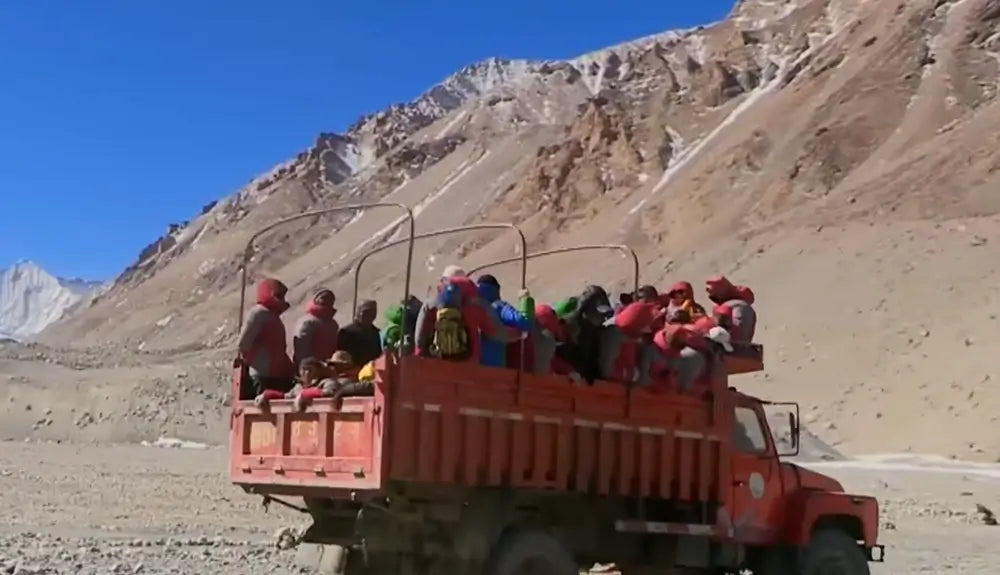
The Everest Base Camp Trek is beautiful, but it is not impact-free.
Every spring and autumn, thousands of trekkers enter the Khumbu Valley. Teahouses boil water, cook food and heat dining rooms. Porters and yaks carry supplies. Trekkers drink water, eat packaged snacks, use tissues, charge devices, shower and create waste. For one person, each action feels small. Across a whole season, those small actions become real pressure on a fragile high-altitude region.
A responsible EBC trek does not require perfection. It asks you to make better small choices: carry a reusable bottle, avoid unnecessary plastic, pack out wet wipes, respect teahouse resources, treat guides and porters fairly, and learn local customs. These details matter more than simply saying you love nature.
Quick Answer
To trek to Everest Base Camp responsibly:
- Use refillable bottles and avoid plastic water bottles
- Carry purification tablets, a filter or UV purifier
- Pack out your personal waste
- Do not leave wet wipes, batteries or plastic wrappers
- Use teahouse toilets where available
- Take fewer hot showers and reduce fuel use
- Respect Sherpa culture, monasteries and local etiquette
- Hire guides and porters fairly
- Choose environmentally aware local operators
- Follow Leave No Trace principles
In simple terms, reaching Everest Base Camp should not mean leaving problems behind in the Everest region.
Why EBC Sustainability Matters
The Khumbu is high, remote and difficult to service. Supplies are carried in by people, yaks, mules or aircraft. Removing waste is harder.
National Geographic Education has noted that during peak season, as many as 500 people per day may hike toward Base Camp, adding pressure to trails and waste systems. Ace the Himalaya also describes plastic bottles and food packaging as significant waste on the EBC route.
High-altitude environments do not easily absorb human waste. Plastic does not disappear quickly. Wet wipes do not vanish. Batteries and packaging should not be left for local communities to handle. If you carry it in, try to carry it out.
Reduce Bottled Water
Plastic water bottles are one of the easiest EBC waste sources to reduce.
The higher you go, the more expensive bottled water becomes and the harder the plastic is to manage. Nepal Hiking Team advises responsible trekkers to avoid single-use plastic bottles in the Himalaya. Personal Travel’s EBC sustainability account estimated that buying bottled water for the full trek could mean 80 to 90 plastic bottles per person.
Better options:
- Carry one or two reusable bottles
- Buy boiled water in teahouses
- Use purification tablets
- Use a filter or filter bottle
- Use a UV purifier
- Fill a bottle with hot water at night for warmth
This reduces waste and often saves money. You do not need to leave a trail of plastic bottles to prove you reached Base Camp.
Wet Wipes Are a Real Problem
Wet wipes are popular because showers are limited higher on the trail. They are useful, but they should not be left in the mountains.
Many wet wipes contain plastic fibres and break down slowly. Even “biodegradable” wipes may not degrade quickly in cold high-altitude conditions. Dropping them in toilets, rocks or bushes is not responsible.
Better habits:
- Use fewer wet wipes
- Put used wipes in a sealed waste bag
- Carry them to proper disposal
- Do not flush them in teahouse toilets
- Do not bury them
- Do not throw them into valleys or streams
This is not glamorous, but real sustainability often lives in unglamorous details.
Food Wrappers and Personal Waste
Energy bar wrappers, sweet papers, biscuit packets, tissues, medicine packaging, tape and small plastic bags are easy to overlook. A light wrapper can blow away quickly.
Responsible Vacation advises EBC visitors to store and take personal waste back to Kathmandu where possible, because waste left in the Himalaya may be buried or burned. Swotah Travel also emphasises Leave No Trace: pack out the waste you create.
Carry a small rubbish bag for:
- Snack wrappers
- Wet wipes
- Used batteries
- Medicine packaging
- Broken small gear
- Plastic bags
- Tissues
If you have energy on the descent, picking up some obvious litter, especially batteries or plastic, helps too. It is not a performance. It is simply less trouble left behind.
Batteries and Electronic Waste
Batteries, cables, broken earbuds, damaged power banks and camera parts should never be left at teahouses or on the trail. High mountain villages do not have advanced electronic waste systems. If you leave batteries behind, they may be burned or buried.
Simple rules:
- Carry used batteries back to the city
- Do not leave electronic waste with lodge owners
- Protect batteries and power banks
- Bring fewer devices
- Check gear before departure so you do not carry failing equipment
Sustainability is not only about plastic bottles. E-waste matters too.
Teahouse Resources Are Limited
Teahouses make EBC trekking possible, but they rely on water, fuel, food transport and energy. Every pot of hot water, hot shower, charged battery and heated room comes from limited high-altitude resources.
You do not need to avoid all comfort, but you can use less:
- Do not shower every day
- Do not waste hot water
- Order only what you can eat
- Turn off lights when leaving rooms
- Move devices once charged
- Do not monopolise the stove area
- Respect lodge rules
- Eat dinner and breakfast where you sleep
Comfort at altitude is not automatic. Understanding the cost makes waste easier to reduce.
Use Toilets
Use teahouse or lodge toilets whenever possible. Green Society Adventure also advises trekkers to use lodge toilets rather than open defecation.
If you must go outside:
- Stay far from water sources
- Move away from the trail
- Pack out toilet paper
- Do not leave hygiene products
- Women’s hygiene products must be carried out
In cold mountain regions, human waste and sanitary waste do not disappear quickly. “Nobody saw it” is not a disposal method.
Respect Sherpa Culture
EBC is not empty wilderness. The route passes through Sherpa communities, monasteries, prayer flags, mani stones and Buddhist cultural spaces. Responsible travel includes cultural respect.
Basic etiquette:
- Walk clockwise around mani stones and stupas where appropriate
- Do not touch religious objects casually
- Follow photo rules inside monasteries
- Ask before close-up portraits
- Dress and behave respectfully
- Avoid loud behaviour in villages
- Learn simple greetings such as Namaste
- Listen to your guide’s cultural advice
Responsible Travel also notes Nepali food and hand etiquette, such as using the right hand for giving and receiving. You do not need to become an expert overnight. You do need to be willing to learn.
Treat Guides and Porters Fairly
Sustainable travel includes people. Guides and porters are not trail equipment. They are workers whose labour makes your trek possible.
You can help by:
- Keeping porter loads reasonable
- Confirming weight limits
- Tipping fairly
- Checking staff have suitable clothing and footwear
- Choosing companies that insure staff
- Not adding heavy items at the last minute
- Respecting rest and meal times
- Speaking respectfully when problems arise
If you care about plastic but overload a porter, your responsibility is incomplete. A good EBC trek is fair to both mountains and people.
Choose a Responsible Trekking Company
Ask operators:
- Do you limit porter loads?
- Do staff have insurance?
- Do you discourage plastic bottles?
- Do you provide water purification options?
- How do you manage team waste?
- Do you respect local lodges and communities?
- Do you hire local guides and porters?
- Do you support cleanup projects or local systems such as SPCC?
- Are costs and staff conditions transparent?
Canadian Geographic reported that the Sagarmatha Pollution Control Committee has installed about 100 bins along the EBC trail to separate burnable and non-burnable waste. Operators that understand and work with local systems are usually better choices than the cheapest unknown option.
Avoid Harmful Souvenirs
Responsible Travel warns against buying products from endangered animals, including shahtoosh shawls made from Tibetan antelope wool. Souvenirs are common in Kathmandu and along trekking routes, but not everything should be bought.
Better shopping habits:
- Do not buy wildlife products
- Avoid religious artefacts or suspected antiques
- Support local crafts
- Do not bargain so hard that it disrespects labour
- Buy things you will actually use
A souvenir should not come from damage to another ecosystem.
Reduce Overcrowding Pressure
If your dates are flexible, consider shoulder seasons or less crowded routes such as Gokyo or Three Passes, if your fitness and experience allow. These routes may be harder, so prepare properly.
Even on the classic route:
- Avoid peak dates when possible
- Travel in small groups
- Keep noise down
- Do not block viewpoints for long photoshoots
- Stay on durable trail surfaces
- Follow guide advice about lodges and routes
One person’s behaviour seems small. In peak season, everyone’s behaviour adds up.
Leave No Trace for EBC
A practical EBC version of Leave No Trace:
- Carry out what you carry in
- Stay on existing trails
- Use toilets
- Respect villages and religious sites
- Do not feed animals
- Do not throw food scraps
- Keep noise low
- Respect other trekkers
- Photograph people respectfully
- Leave places as clean as you found them, or cleaner
This is not complicated philosophy. It is basic trail citizenship.
Conclusion
A responsible Everest Base Camp Trek is not an extra task. It is part of the journey. Use refillable bottles. Pack out wet wipes. Reduce plastic packaging. Respect teahouse resources. Treat porters fairly. Learn Sherpa cultural etiquette. These small acts make the EBC trail more sustainable.
The Everest region gives trekkers so much: mountains, culture, paths, hot meals, beds, stories and a journey that stays with them. In return, the least we can do is leave less waste and more respect.
A person who has truly been to Everest Base Camp should remember not only where they walked, but how gently they passed through.

Leave a comment
All comments are moderated before being published.
This site is protected by hCaptcha and the hCaptcha Privacy Policy and Terms of Service apply.