
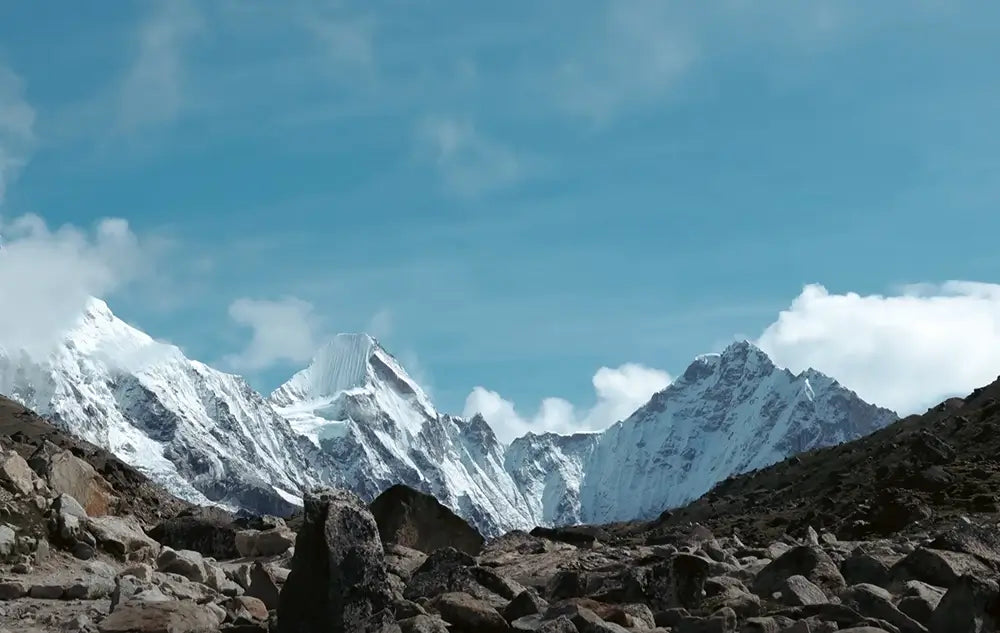
After learning about the classic Everest Base Camp Trek, many trekkers discover a bigger, harder route in the Khumbu: the Everest Three Passes Trek.
If EBC is a classic journey to the foot of Everest, the Three Passes Trek is a full high-altitude circuit through the upper Khumbu. It often links Everest Base Camp, Kala Patthar, Gokyo Lakes and three high passes: Kongma La, Cho La and Renjo La.
The scenery is extraordinary, but the difficulty is much higher than standard EBC. This is not a route to add only because it sounds more impressive. The decision should be based on time, fitness, altitude experience, weather, guide support and your appetite for a longer and more uncertain mountain journey.
Quick Answer
If this is your first trek in the Everest region and you have only 12 to 14 days, choose the classic Everest Base Camp Trek.
If you have altitude trekking experience, strong fitness, at least 18 to 21 days, and want a complete Khumbu circuit with Gokyo Lakes and three 5000 metre passes, consider the Everest Three Passes Trek.
Simple guide:
- First high-altitude trek in Nepal: choose EBC
- Iconic goal and mature route: choose EBC
- Full Khumbu circuit: choose Three Passes
- Fewer crowds and wider scenery: Three Passes is better
- Tight schedule or altitude concerns: avoid Three Passes
- Experience, guide and buffer days: Three Passes can be outstanding
Three Passes is not a small upgrade from EBC. It is a longer, higher and more complex trek.
What Is the Everest Three Passes Trek
The Everest Three Passes Trek crosses three high passes:
- Kongma La, around 5535 to 5550 m
- Cho La, around 5420 m
- Renjo La, around 5360 m
Exact figures vary slightly by source, but all three passes are above 5000 metres. Nepal High Trek and Himalayan Glacier describe it as a challenging Everest region route linking Everest Base Camp, Gokyo Lakes and high mountain passes.
A common route includes:
Lukla, Namche, Chhukung, Kongma La, Lobuche, Everest Base Camp, Kala Patthar, Dzongla, Cho La, Gokyo, Gokyo Ri, Renjo La, Thame, Namche and Lukla.
The route can also be walked in the opposite direction depending on guide preference, weather and acclimatisation strategy.
Who Is Classic EBC Best For
The classic Everest Base Camp Trek is best for most first-time Khumbu trekkers. It follows Lukla, Namche, Tengboche, Dingboche, Lobuche, Gorak Shep, EBC, Kala Patthar and then back down.
Its advantages include:
- Mature route
- Many teahouses and services
- Usually 12 to 14 days
- Easier acclimatisation planning
- Strong guide and rescue systems
- Rich Sherpa culture
- High sense of achievement
EBC is still challenging: altitude, repeated walking, cold teahouses and Lukla uncertainty are real. But it is more linear, more supported and better suited to first-time high-altitude trekkers.
If your dream is simply to reach Everest Base Camp, the classic route is already enough.
Why Three Passes Is Harder
Three Passes is harder than EBC for more reasons than extra days.
Nepal Trekking Routes explains that Kongma La, Cho La and Renjo La are all above 5000 metres, where snow, ice, slippery ground and fast-changing weather can make movement difficult. Green Valley Nepal Treks also notes that Three High Passes is harder than EBC because of longer days, higher altitude and steep ascents over three passes.
The main challenges are:
- Longer duration, often 18 to 21 days
- Three high passes above 5000 m
- More repeated high-altitude exposure
- More remote sections
- Weather matters more on pass days
- Cho La may involve snow, ice or glacier terrain
- Kongma La is wilder and has longer gaps between lodges
- Fatigue accumulates over more days
EBC is high-altitude trekking. Three Passes is closer to a high-altitude traverse.
The Three Passes
Kongma La
Kongma La is often considered the hardest of the three passes. It connects the Chhukung side with the Lobuche area and involves remote terrain, loose rock, moraine, long climbing and long descent.
Nepal Guide Treks also describes Kongma La as the toughest because of loose stones, broken rocks and glacial moraine. The difficulty is not one technical move. It is the long effort at high altitude.
Cho La
Cho La connects Dzongla and Dragnag and links the EBC side with Gokyo Lakes. It often has snow, ice or glacier-adjacent sections, and poor weather can make it much more serious.
Cho La challenges include:
- Very early start
- Snow and ice
- Slippery sections
- Careful descent
- Higher risk in bad weather
If the route is icy, microspikes or stronger traction may be useful depending on guide advice.
Renjo La
Renjo La is famous for its views. It connects Gokyo with the Thame side. From the pass, trekkers can see Gokyo Lakes, Everest, Lhotse, Makalu and Cho Oyu in a wide panorama.
It may feel more regular than Kongma La or Cho La, but it is still high. Weather and fatigue still matter.
How Much Time Do You Need
Classic EBC usually takes 12 to 14 days. Three Passes usually needs around 18 to 21 days. Some itineraries claim 17 days, but most ordinary trekkers are better with more time.
Himalayan Ecological Trek describes Three Passes as around 160 km, with daily walking of 5 to 8 hours and pass-crossing days sometimes over 10 hours. Nepal Everest Base Camp also notes that the Three Passes route adds about six more days of altitude exposure compared with standard EBC, plus a Cho La glacier or ice section.
For Three Passes, plan for:
- 18 to 21 trekking days
- 2 to 3 buffer days
- Proper insurance
- Reliable guide
- Main-season weather
- Flexibility to change route
Do not squeeze Three Passes into a 14-day EBC schedule. That is not efficiency. It is risk.
Scenery Difference
EBC scenery is concentrated along the classic route: Namche, Tengboche, Ama Dablam, Khumbu Glacier, Everest Base Camp and Kala Patthar.
Three Passes adds much more variety:
- Chhukung Valley
- Kongma La high terrain
- Everest Base Camp
- Kala Patthar
- Cho La Pass
- Gokyo Lakes
- Gokyo Ri
- Renjo La panorama
- Thame Valley
- Quieter Khumbu side routes
EBC shows the main Everest trail. Three Passes gives a fuller view of the upper Khumbu: lakes, glaciers, side valleys, high passes and more remote mountain spaces.
Crowds
Classic EBC is busy in peak seasons, especially from Namche to Gorak Shep. Three Passes avoids the busiest sections in some areas, especially Kongma La, Renjo La and side valleys.
But Three Passes is not empty. You will still meet trekkers in main seasons, just more spread out. The benefit is quiet. The drawback is fewer people and less support if weather or health problems arise.
Choose EBC if you like a mature and social route. Choose Three Passes if you want more solitude and a wilder feeling.
Is Three Passes Technical
It is not technical mountaineering. You do not need rope climbing or ice climbing skills. But it is more alpine in character than EBC. In some seasons and weather, the passes may have snow, ice or slippery terrain.
You need:
- Good downhill control
- Balance on rough ground
- Comfort on moraine and rock
- Long-day endurance
- Trekking pole skill
- Proper warm layers
- Possible microspikes
- Willingness to follow guide judgement
If your only experience is easy low-altitude hiking, Three Passes should not be your first big high-altitude route.
Insurance and Guide Support
For Three Passes, hiring a guide is strongly recommended.
Reasons:
- Passes are weather dependent
- Some sections are less clearly marked
- Snow changes route finding
- Fatigue affects judgement
- Teahouses are farther apart in places
- Route changes may be needed
- Emergency response is harder
Insurance must cover:
- Trekking above 5500 metres
- Altitude sickness
- Helicopter evacuation
- High-pass routes
- Trip interruption
- Medical transport
Three Passes is not just a longer EBC. It requires better risk management.
Who Should Choose Three Passes
Three Passes may suit you if:
- You have high-altitude trekking experience
- You have been above 4000 or 5000 metres
- You are fit
- You can trek for 18 days or more
- You will hire a guide
- You have buffer days
- You can accept weather-related route changes
- You genuinely like long mountain trekking
- You have suitable insurance and gear
Who Should Avoid Three Passes
Do not choose Three Passes as your first big Himalayan trek if:
- It is your first trip to Nepal
- It is your first high-altitude trek
- You only have two weeks
- You fear altitude but refuse to descend
- You are undertrained
- Your knees struggle on descents
- You do not want a guide
- Your budget is very tight
- You only want the Base Camp photo
Classic EBC or Gokyo Lakes may be better.
My Advice
If you have never done EBC, do not rush into Three Passes. Choosing classic EBC does not mean choosing a lesser route. EBC is already a serious and meaningful high-altitude trek.
If you have done EBC before, or have experience from Annapurna, Langtang, Aconcagua, Kilimanjaro, Alpine routes or other long high-altitude treks, Three Passes can be an excellent next step. It is fuller, wilder and more demanding.
The best route is not the one that sounds hardest. It is the one you can finish safely and still enjoy enough to want more mountains afterward.
Conclusion
Everest Three Passes vs Base Camp Trek: which should you choose? If you want an iconic, mature and focused Everest region trek, choose EBC. It is already beautiful and challenging, and it suits first-time high-altitude trekkers better.
If you want a fuller Khumbu circuit with richer scenery, fewer crowds, higher challenge and a deeper Himalayan experience, and you have the time, fitness, experience and flexibility, choose the Everest Three Passes Trek.
But Three Passes is not about proving you are tougher than other trekkers. It is for people ready for longer altitude exposure, harder weather decisions, bigger fatigue and more uncertainty.
In the Himalaya, choosing the right route is part of the skill.

Leave a comment
All comments are moderated before being published.
This site is protected by hCaptcha and the hCaptcha Privacy Policy and Terms of Service apply.