
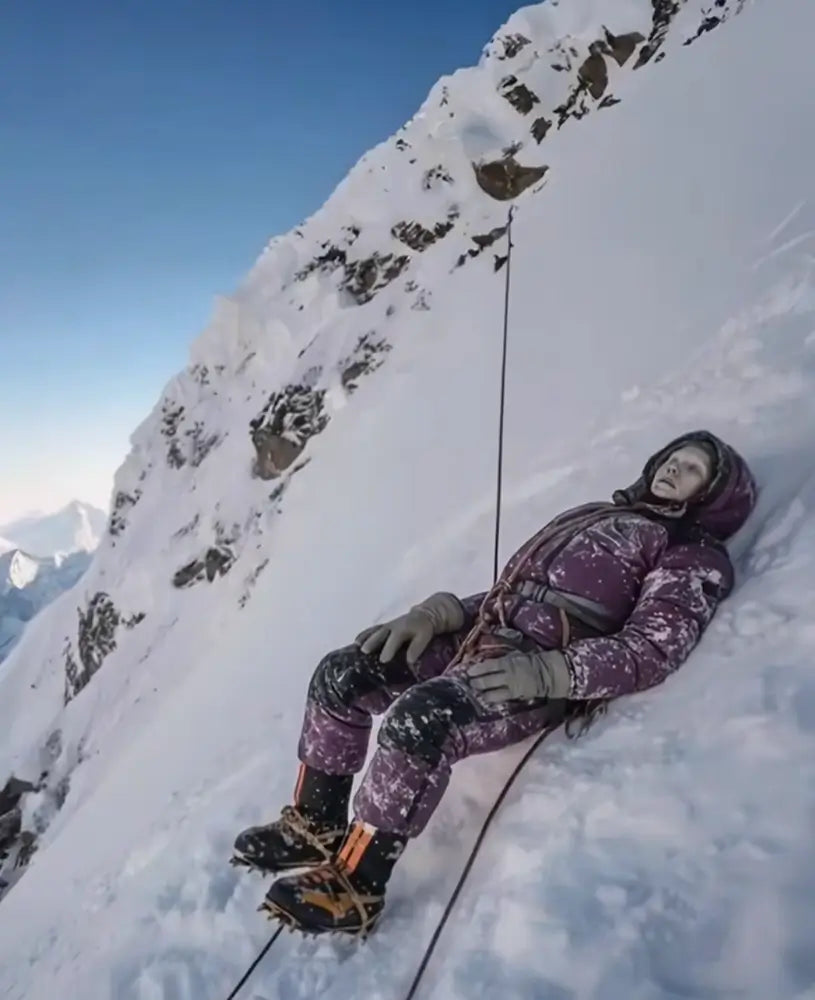
Everest has two faces. One is familiar: the highest mountain in the world, the dream of climbers, summit photos and sunrise above the clouds. The other is heavier: disappearances, frostbite, avalanches, oxygen failure, failed descents and bodies that remain high on the mountain for years.
Talking about the Mount Everest death toll is not about fear or spectacle. The useful question is not only “how many people died?” It is “why did they die, and what can modern climbers learn?”
As of mid 2026, public sources vary slightly because databases update over time. Alan Arnette’s 2026 statistics listed 339 total Everest fatalities before the current season. After the 2026 spring season, public reports suggested around five additional deaths, bringing commonly cited updated figures to at least the mid 340s. The Himalayan Database remains the most important long-term source, and exact totals should always be checked against the latest database and season reports.
Quick Answer
The Everest death toll changes as records are updated, but the broad picture is clear:
- By mid 2026, public counts place total Everest deaths above 340
- Causes include avalanches, falls, exposure, frostbite, altitude illness, exhaustion, heart events and disappearance
- The death zone above 8000 metres is a major danger area
- Many deaths happen during descent, after the summit has already been reached
- 1996, 2014 and 2015 are among the most discussed disaster years
- Modern commercial climbing reduces some risks but does not make Everest safe
In simple terms, Everest deaths are not caused by one thing. They come from altitude, weather, route conditions, human decisions and the commercial expedition system interacting together.
Is Everest the Deadliest Mountain
Everest has one of the highest total death counts among mountains, partly because so many people attempt it. It is the most famous 8000 metre peak and has the largest commercial expedition industry.
But total deaths and death rate are not the same. Some more technical or remote 8000 metre peaks may have higher fatality rates, even if fewer people have died there in total. Everest is unusual because extreme altitude and mass commercial climbing meet in one place.
To understand Everest safety, do not look only at the total number. Ask:
- How many people attempted the climb?
- How many reached the summit?
- Where did deaths happen?
- Was supplemental oxygen used?
- Were the victims clients, guides or high-altitude workers?
- Did deaths happen during ascent or descent?
- What were weather and crowding like that season?
The number opens the door. The causes tell the story.
Common Causes of Death on Everest
Everest accidents often involve several causes at once. A climber may slow down in bad weather, use more oxygen than planned, become cold, lose judgement and then be unable to descend. A fatal accident is often a chain, not a single moment.
Altitude Illness and Hypoxia
Acute mountain sickness, high-altitude cerebral edema and high-altitude pulmonary edema can all become fatal. Lack of oxygen also damages judgement, making climbers less able to recognise their own decline.
Exhaustion and Exposure
Many deaths occur during descent after the summit. Climbers are tired, oxygen is low, weather may be worsening and the body is exposed to wind and cold. Moving too slowly can quickly become dangerous.
Falls
Everest includes fixed ropes, steep snow, mixed rock and snow, ridges and crevasse terrain. A mistake, fatigue, gear problem or bottleneck can lead to a fall.
Avalanches and Icefall
The Khumbu Icefall, Lhotse Face and surrounding hanging glaciers all carry avalanche and icefall risk. The 2014 and 2015 disasters show that danger is not limited to summit day.
Heart and Other Medical Events
Some recent deaths have occurred at Base Camp or lower camps, sometimes linked to heart events or health problems under altitude stress. Everest can magnify medical issues that seem manageable at home.
The 1922 Avalanche
During the 1922 British Everest expedition, an avalanche killed seven porters. It was one of the earliest major tragedies in Everest history and remains important because it shows that Everest has never been only a story about famous climbers. Local workers and support staff have been exposed to serious risk from the beginning.
That question still matters today: who carries the greatest risk for someone else’s summit dream?
The 1996 Everest Disaster
On May 10 and 11, 1996, several teams were caught in a storm high on Everest after summit attempts. Eight climbers died. The disaster became widely known through books such as Into Thin Air and triggered global debate about commercial Everest climbing.
The 1996 disaster is remembered not only because of the death toll, but because it raised issues still relevant today:
- Late summit times
- Too little descent margin
- Difficult weather judgement
- Complex guide-client relationships
- Oxygen and energy management problems
- Emotional pressure at high altitude
- Tension between commercial success and safety
It is too simple to blame one person. The tragedy grew from weather, timing, team decisions, client pressure and the unforgiving environment of the upper mountain.
The 2014 Khumbu Icefall Disaster
On April 18, 2014, a serac collapse above the Khumbu Icefall triggered an avalanche that killed 16 Nepali high-altitude workers. It was one of the darkest days in Everest commercial climbing.
The tragedy was especially painful because many of the victims were carrying loads and preparing the mountain for clients early in the season. They were not standing on the summit. They were building the logistics that made other people’s climbs possible.
After 2014, global attention turned more strongly toward Sherpa pay, insurance, compensation and working conditions. The accident made one fact impossible to ignore: Everest risk is not shared equally. Clients pay to take risks, but high-altitude workers often face more repeated exposure.
The 2015 Nepal Earthquake Avalanche
On April 25, 2015, a major earthquake struck Nepal and triggered avalanches around Everest Base Camp. Public sources report at least 22 deaths, with some accounts listing 24. It became one of the deadliest single-day disasters in Everest history.
This tragedy was different from many summit-route accidents. Many victims were at Base Camp, not high on the summit ridge. It showed that Everest risk is not confined to the upper mountain. Base Camp is still part of a massive and unstable alpine environment.
The 2015 season was effectively stopped, affecting climbers, local communities, expedition companies and the wider Nepali mountain economy.
The 2019 Crowding Debate
In 2019, photographs of long queues near the summit of Everest spread around the world. That season brought intense debate about crowding, permit numbers, commercial operator quality and climber experience.
Crowding does not automatically cause death, but it magnifies risk:
- Oxygen use increases
- Descent is delayed
- Frostbite risk rises
- Fatigue deepens
- Guides face harder decisions
- Slow climbers affect the whole route
After 2019, discussion grew around permit limits, experience requirements and operator regulation. In 2026, Nepal continued to discuss proposals requiring Everest climbers to have previous 7000 metre peak experience.
Why Many Climbers Die on Descent
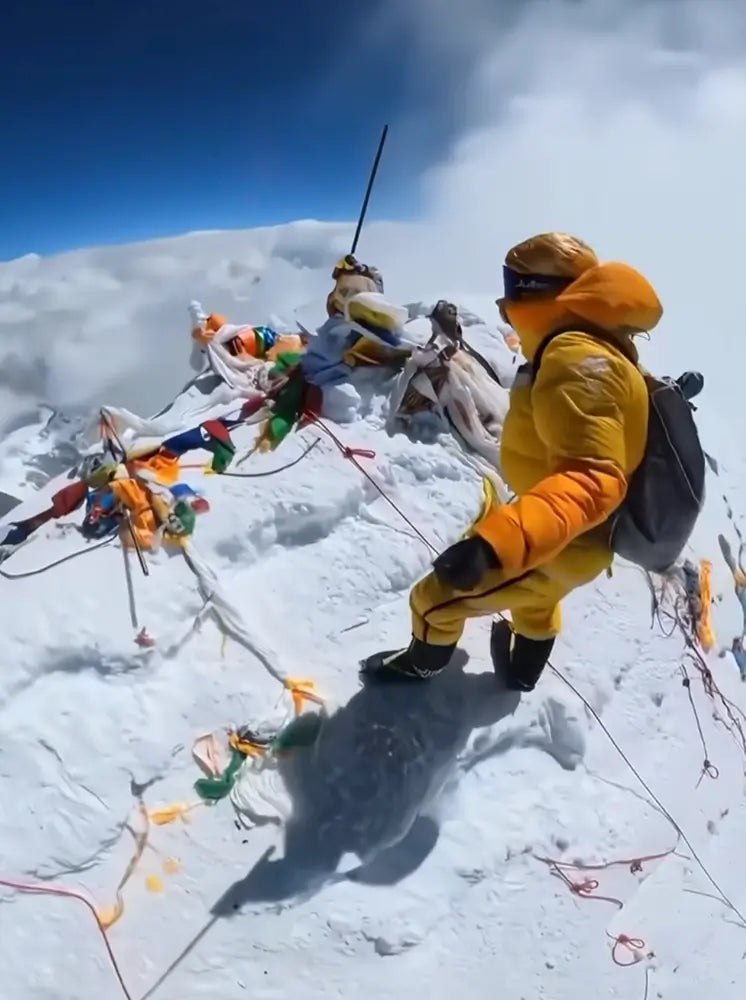
Non-climbers often think the summit is the hardest part. Experienced mountaineers know descent is often more important.
After the summit, a climber has already spent much of their energy and oxygen. The photo is taken, but the same dangerous ridge, fixed ropes, slopes and high camps still lie below. Weather may change. Darkness may arrive. Oxygen may run low. Steps may become slower.
Many Everest stories are painful because the climber reached the top but did not return safely.
On Everest, success is not the summit. Success is coming home.
Why Bodies Remain on Everest
This is a sensitive but common question. The answer is heavy but practical: body recovery at extreme altitude can be too dangerous.
Above 8000 metres, moving a body may require several people, oxygen, ropes, stable weather and enormous physical effort. The body cannot help. The location may be on a steep slope, ridge, crevasse area or exposed section. Recovering one person can put several rescuers at serious risk.
So when bodies remain on Everest, it does not always mean nobody cares. Often it means the mountain does not allow a safe recovery.
Is Modern Everest Safer
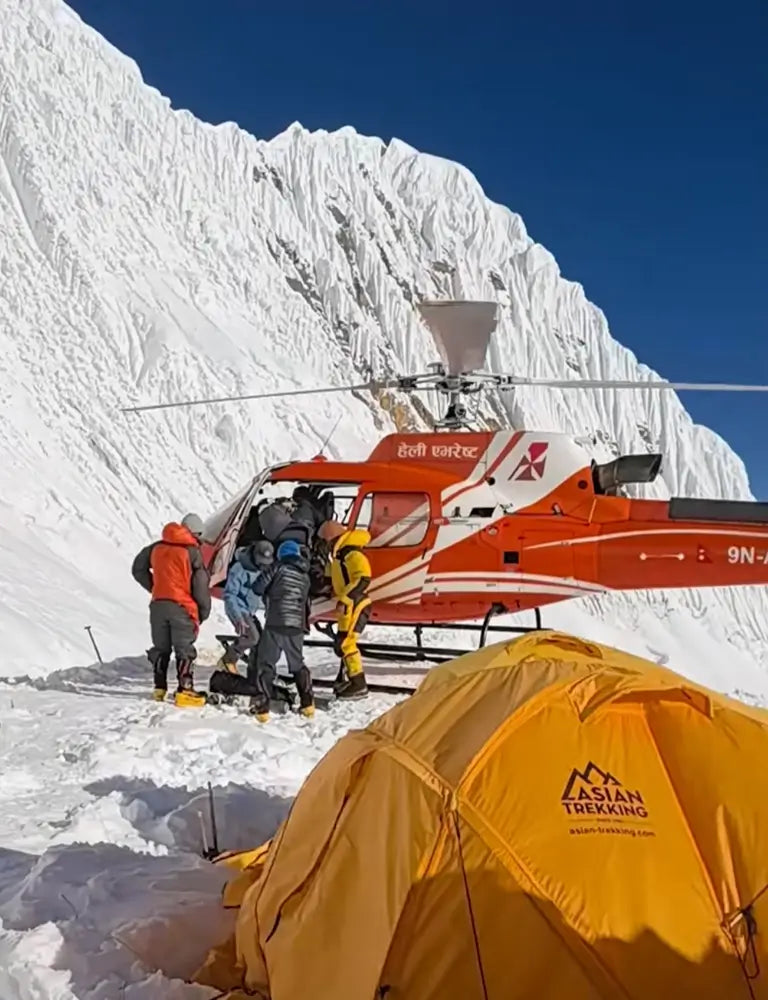
In some ways, yes. Modern Everest has better weather forecasting, fixed ropes, oxygen systems, communications, commercial logistics and helicopter rescue capacity.
But other factors have become more complicated:
- More climbers
- Greater commercial pressure
- Wider differences in client experience
- More visible crowding
- Continued exposure for high-altitude workers
- Climate change affecting ice and avalanche conditions
Modern systems reduce risk. They do not remove it. Everest remains an extreme-altitude mountain, not a premium travel product.
What Ordinary Readers Can Learn
Everest deaths teach at least three lessons.
First, technology does not make mountains completely safe.
Second, judgement and descent ability matter more than summit obsession.
Third, no commercial service can replace personal preparation and honest self-assessment.
If Everest is your future goal, ask:
- Do I have enough high-altitude experience?
- Can I accept turning around?
- Have I chosen a responsible operator?
- Does the team enforce turnaround times?
- Are oxygen, rescue and insurance plans clear?
- Do I understand the risks carried by Sherpa and high-altitude workers?
These questions matter more than a simple summit success rate.
Conclusion
The Mount Everest death toll is not just a number. Behind every entry is a person, a team, a family and a sequence of decisions. Everest’s accident history reminds us that the danger of the world’s highest mountain is not only height. It is weather, fatigue, hypoxia, commercial pressure, poor judgement and the human desire not to turn back.
Modern Everest is more organised than it once was, but it has not become easy. Respecting Everest does not mean treating death stories as thrilling content. It means learning caution, humility and clear thinking from them.
On Everest, the most important skill is not pushing toward the summit. It is turning around when the mountain, the weather or your body says enough.

Leave a comment
All comments are moderated before being published.
This site is protected by hCaptcha and the hCaptcha Privacy Policy and Terms of Service apply.