
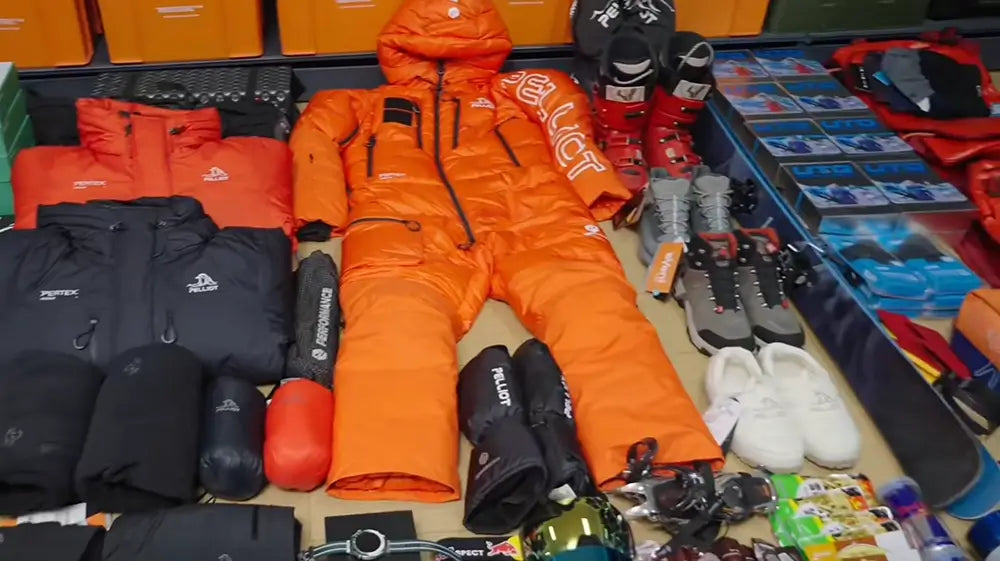
The first time people see a Mount Everest gear list, many are surprised by its length. It is not a normal camping checklist, and it is not the same as packing for a high-altitude trek. Everest gear is not simply “warmer outdoor clothing”. It is a survival system built for an 8000 metre environment.
On Everest, gear is not about looking professional. It is about reducing mistakes in thin air, high wind, severe cold, strong sun and long-term fatigue. A glove that is not warm enough, a boot that does not fit, a dead headlamp battery or an uncomfortable oxygen mask may be a minor annoyance at lower altitude. In the death zone, it can become part of an accident chain.
Quick Answer
A Mount Everest gear list usually includes:
- 8000 metre mountaineering boots
- Down suit or high-altitude down clothing system
- Expedition sleeping bag and insulated sleeping pads
- Layered glove system
- Crampons, harness, ascender and descender
- Glacier glasses, goggles and face protection
- Base layers, mid layers, softshell and hardshell clothing
- Oxygen mask, regulator and related accessories
- Headlamp, batteries, insulated bottles and personal medicine
- Large duffel, climbing pack and camp living items
Different operators provide different group equipment, such as high-altitude tents, stoves, oxygen bottles, ropes and communications. Always follow the formal gear list from your expedition company.
8000 Metre Boots Are Critical
Boots are one of the least negotiable items on Everest. Normal winter mountaineering boots are not enough. Everest requires 8000 metre boots, usually double or triple boots with serious insulation, weather protection and crampon compatibility.
Good Everest boots should be:
- Warm enough for extreme cold
- Compatible with steel 12-point crampons
- Spacious enough for toe circulation
- Comfortable with thick socks
- Reliable during long movement
- Protected against snow, wind and moisture
Many frostbite problems begin with poor foot circulation. Boots that are too small, socks that are too thick, laces that are too tight or damp feet can all increase risk. Everest boots must be tested during training. They should not be worn for the first time on the expedition.
A Down Suit Is Not an Ordinary Jacket
High on Everest, climbers often use a one-piece down suit. Some use a two-piece high-altitude down system. A city down jacket or ski jacket is nowhere near enough.
An Everest down system must deal with:
- Extreme cold
- High wind
- Long periods of waiting
- Night summit attempts
- Harness and oxygen mask compatibility
- Zips and pockets usable with thick gloves
A one-piece suit gives excellent warmth and reduces gaps around the waist. A two-piece system can be more flexible for layering, but the waist and overlap areas must be managed carefully.
Whatever system you choose, test it with your harness, pack, helmet and oxygen mask before the expedition.
Gloves Should Be a System
Hand protection on Everest is usually a layered system, not one very thick pair of gloves.
A common system may include:
- Thin liner gloves
- Medium insulated gloves
- Windproof or waterproof shell gloves
- High-altitude down mitts
- Spare gloves
Fingers are extremely vulnerable to frostbite. At the same time, many important tasks require hands: clipping carabiners, adjusting ascenders, changing oxygen, opening food, handling bottles and managing a headlamp. Gloves that are too thick make work difficult. Gloves that are too thin are dangerous.
Experienced climbers practise handling gear while wearing thick gloves. Above 8000 metres is not the place to discover that your mitts are too clumsy.
Sleeping Bag and Pads Affect Recovery
An Everest expedition is not a one-day climb. You will sleep, recover, wait and climb again at Base Camp and high camps. Poor sleep means poor recovery and weaker judgement.
Base Camp and high-camp sleeping bags may differ. Many operators recommend very cold-rated down sleeping bags. A high-camp bag must be warm, packable and reliable in damp or frosty conditions.
Sleeping pads also matter. Ground conduction removes body heat quickly. Many climbers use an inflatable pad combined with a foam pad for warmth, comfort and backup. If the inflatable pad fails, the foam pad still provides basic insulation.
Technical Gear Must Be Familiar
Standard Everest routes use fixed ropes, but personal technical gear is still essential. Alpine Ascents’ Everest gear list requires modern steel 12-point crampons and specifically warns against 10-point, aluminium or single-piece rigid crampons. That detail matters: Everest gear is not about choosing the lightest option. It is about choosing equipment suitable for the route.
Common technical items include:
- Steel 12-point crampons
- Harness
- Ascender
- Descender or belay device
- Locking carabiners
- Ice axe
- Helmet
- Safety lanyards
- Glacier travel equipment
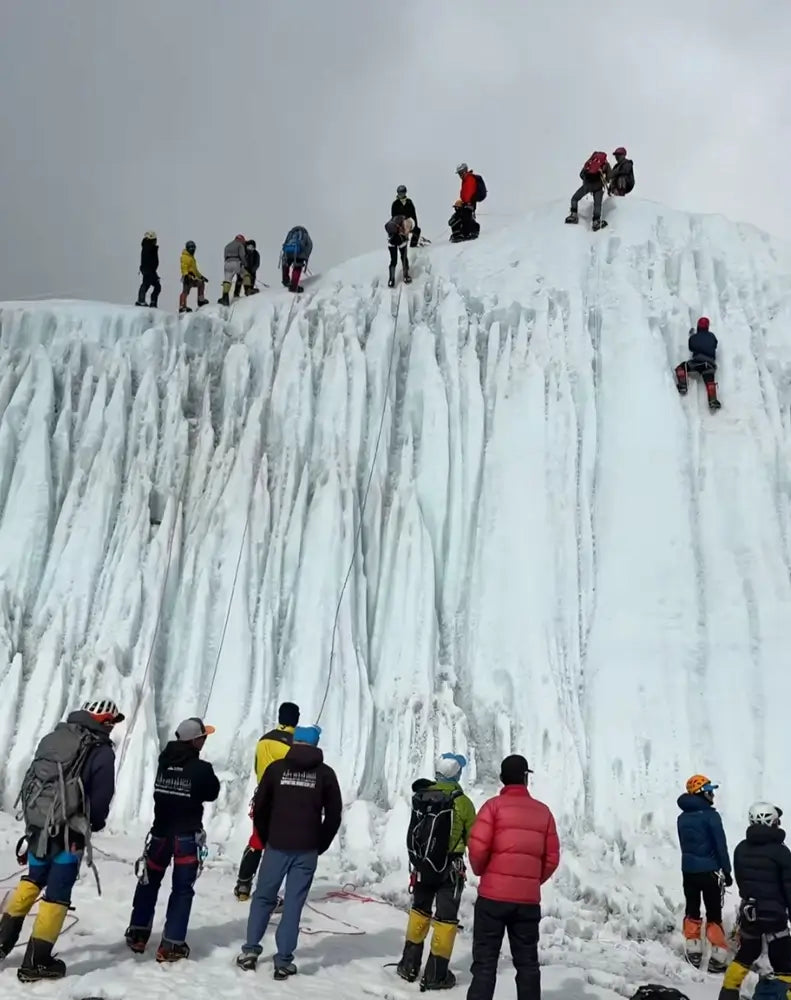
This gear cannot simply sit in your pack. You must be able to use it in cold, darkness, thick gloves and low oxygen.
Eye and Face Protection Are Easy to Underestimate
Everest has intense ultraviolet light, snow reflection, wind and blowing ice. Eye protection usually includes glacier glasses and goggles. Sunglasses should offer strong UV protection and side coverage. Goggles are important in wind, snow and very cold conditions.
Face protection may include:
- Balaclava
- Face mask
- Sunscreen
- Lip balm
- Nose guard
- Neck gaiter
- Layers that work with an oxygen mask
Sunburn and frostbite can happen in the same environment. Exposed skin may be a small area, but damage can affect eating, breathing and climbing comfort.
Clothing Layers Must Handle Change
Everest clothing is not about wearing as much as possible. Too little clothing makes you cold. Too much clothing makes you sweat, and damp clothing can chill you later. Layering allows adjustment.
A typical system includes:
- Moisture-wicking base layers
- Warm base layers
- Fleece or light down mid layers
- Softshell clothing
- Hardshell jacket and trousers
- High-altitude down outerwear
- Down trousers or insulated trousers
- Windproof high-altitude pants
Base Camp, the Khumbu Icefall, the Lhotse Face, Camp 3, Camp 4 and summit day all require different choices. The best gear is not simply expensive gear. It is gear you know how to use.
Oxygen Equipment Is Part of the Gear System
Many operators provide oxygen bottles, but climbers still need to understand the oxygen system. It usually includes:
- Oxygen bottle
- Mask
- Regulator
- Tube
- Carrying setup
- Spare parts
You may not buy all of it yourself, but you must know how it works. Mask fit, regulator adjustment, tube routing, freezing issues and bottle changes should be familiar before high camp.
Oxygen is not something to learn for the first time at Camp 4.
Packs and Duffels
Everest usually requires two types of bags.
Large Expedition Duffel
This carries most personal gear to Base Camp, often by yak, porter or logistics team. It should be strong, weather-resistant and able to survive repeated handling.
Climbing Pack
This carries water, food, down layers, oxygen, gloves, headlamp, spare clothing and small gear during climbing days. Capacity depends on the operator and route plan. Too small and you cannot carry essentials. Too large and it becomes messy and heavy.
RMI notes that gear lists change with season, route, weather and altitude. That is a useful mindset. Pack choice depends on what you carry, what the operator provides and how high-altitude transport is arranged.
Small Items Often Matter
Some items look unimportant but make expedition life much easier:
- Insulated water bottles
- Wide-mouth pee bottle
- Sunscreen and lip balm
- Spare headlamp batteries
- Personal medicine
- Chemical warmers
- Energy gels and snacks
- Repair tape
- Multi-tool
- Waterproof stuff sacks
- Wet wipes and hygiene supplies
- Power banks and cables
- Earplugs
- Spare glasses or contact lenses
A Montana State University Everest equipment list includes details such as cup, utensils, sunscreen, lip screen, water bottle parkas, toiletry bag, pee bottle and thermos. These items do not look dramatic, but they help daily life stay manageable.
What Can Be Rented and What Should Be Owned
Some Everest gear can be rented, such as certain down items, sleeping bags, crampons or technical equipment. But important personal gear should usually be owned and tested.
Better to own and practise with:
- Mountaineering boots
- Glove system
- Base layers and socks
- Backpack
- Glacier glasses and goggles
- Headlamp
- Personal technical gear
- Common insulation layers
Often rented or provided by operators:
- High-altitude tents
- Some sleeping bags
- Oxygen bottles
- Stoves
- Group ropes
- Some large down items
Renting is not unprofessional. Being unfamiliar with your equipment is the problem. Whether rented or owned, gear must be tested.
Common Everest Gear Mistakes
Chasing Ultralight Gear
Everest is not an ordinary ultralight trek. Crampons that are too light, gloves that are too thin or a sleeping bag that is not warm enough can create real danger.
Buying Everything Too Late
New boots, gloves, packs and harnesses may all create problems. Everest is not the place to test gear for the first time.
Forgetting Spares
Spare gloves, batteries, glasses and small parts matter. At high altitude, a tiny failure can be hard to fix.
Poor Packing
Good gear is useless if you cannot find it. Headlamps, gloves, food, warm layers and oxygen accessories should be packed in a logical order.
Depending Completely on the Operator
A good team supports you, but personal gear management remains your responsibility.
Conclusion
What gear do you need to climb Everest? The answer is more than a shopping list. Everest gear is a high-altitude survival system: feet must stay warm, hands must work, clothing must layer properly, eyes and face must be protected, technical gear must be reliable, sleep systems must support recovery, oxygen equipment must be familiar and small items must survive daily use.
Good Everest gear preparation is not about buying the most expensive kit. It is about choosing suitable equipment, testing it early and knowing how to use it. In the death zone, gear will not make decisions for you, but good gear reduces the chance that small problems become serious.
On Everest, “probably good enough” is not good enough. Every item should answer one question before departure: if the weather turns, I am exhausted and my fingers are cold, can this still help me descend safely?

Leave a comment
All comments are moderated before being published.
This site is protected by hCaptcha and the hCaptcha Privacy Policy and Terms of Service apply.