
Start With This: Gear Is a System
An 8,000-meter climb is not about buying the most expensive equipment on a list. It is about building a system that keeps you alive, warm, moving, and functional when the mountain is doing its worst.
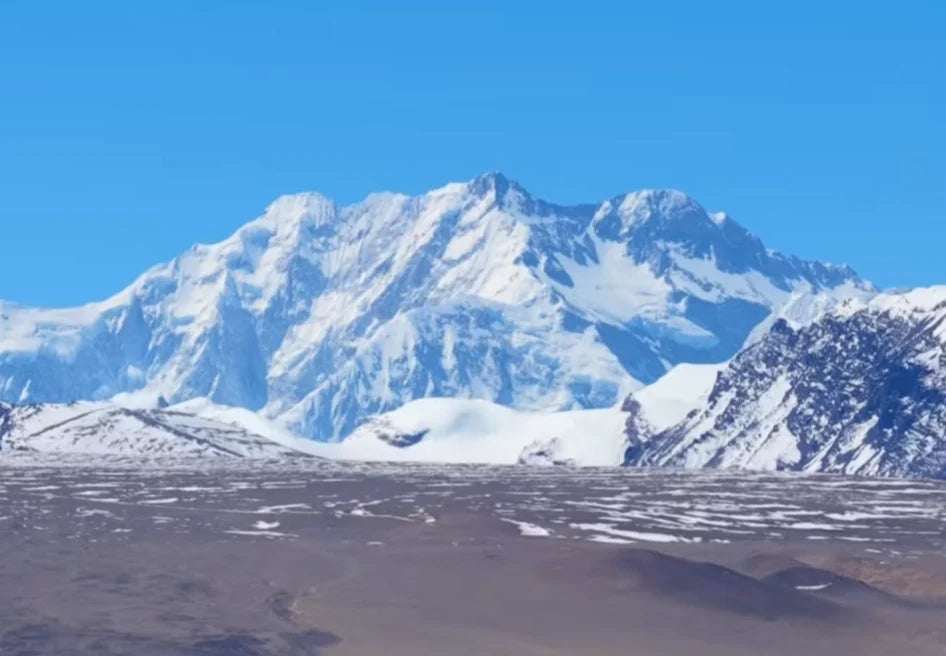
For a serious objective like Kangchenjunga, gear matters even more because the mountain is remote, cold, and unforgiving. If something fails, you may not get a quick fix. That is why every item has to earn its place.
This guide breaks the kit into practical categories so you can think like an expedition climber, not a shop catalog.
1. Clothing System
High-altitude clothing is all about layering. The goal is to stay dry while moving, stay warm while resting, and be able to adjust quickly when conditions change.
A solid expedition clothing system usually includes:
- Base layers for moisture management
- Midlayers for insulation
- Softshell or wind layers for movement
- Hardshell jacket and pants for wind and snow
- Heavy insulated parka for summit and camp use
- Down pants for very cold camps
- Spare gloves and mittens
- Balaclava, neck gaiter, and warm hat
On an 8,000-meter climb, warmth is not a luxury. It is part of decision-making. If you are too cold to think clearly, your gear has already failed you.
2. Mountaineering Boots
Boots are one of the most important choices you will make.
For high-altitude expeditions, climbers often use double boots or expedition boots designed for extreme cold. These are warmer and more protective than single boots, which matters when you are standing on snow at altitude for hours.
Look for:
- Strong insulation
- Compatibility with crampons
- Room for thick socks without cutting circulation
- Durable construction
- A fit you have tested before the expedition
Bad boot fit at altitude is miserable. Bad boot warmth can become dangerous.
3. Sleeping System
At base camp and high camp, sleep quality affects everything: recovery, appetite, mood, and summit readiness.
A typical sleeping system includes:
- Expedition-grade sleeping bag
- Sleeping pad or two pads for insulation
- Liner if desired
- Stuff sack and dry storage system
For a high mountain expedition, a warm bag matters more than a lightweight brag. The best sleeping bag is the one that keeps you functional after a bad day.
4. Technical Climbing Gear
Even if the route is not the most technical line in the Himalaya, you still need proper climbing hardware.
Core technical gear usually includes:
- Helmet
- Harness
- Crampons
- Ice axe
- Ascender/jumar
- Belay/rappel device
- Locking and non-locking carabiners
- Slings
- Prusik cord
- Adjustable daisy or tether if used by your team
- Personal anchor system if required by your operator
You should know how each item works before you leave home. Learning fixed-rope systems in the wind at high camp is a terrible plan.
5. Rope and Glacier Travel Gear
On a big Himalayan expedition, rope systems are part of daily life.
Depending on the route and operator, you may need or use:
- Fixed ropes already installed by the expedition
- Personal safety attachment systems
- Crevasse rescue equipment
- Snow protection such as pickets or similar anchor tools
- Avalanche safety tools where relevant
If you are part of a team on a glacier route, you need to understand rope discipline. One sloppy clip can become everyone’s problem.
6. Oxygen System
For many 8,000-meter expeditions, supplemental oxygen is a major part of the summit strategy.
If your climb uses oxygen, you may need:
- Oxygen mask
- Regulator
- Cylinders
- Flow control system
- Spare parts
- Compatible hardware for summit day and high camps
This is one of the most specialized parts of the kit. It should be tested, explained, and rehearsed before the climb.
If you are joining a guided expedition, ask exactly what the operator provides and what you are responsible for carrying or using yourself.
7. Backpack and Carry Systems
You will likely need more than one pack.
Common sizes and uses include:
- Large duffel for transport
- Base camp pack
- Summit pack
- Dry bags or liner systems for protection
- Haul bags in some expedition setups
Your summit pack should be small enough to move efficiently, but large enough to carry essentials without forcing bad packing choices.
8. Eye and Face Protection
At altitude, the sun is fierce and snow reflects a huge amount of light. Eye protection is not optional.
You should carry:
- Glacier glasses
- Backup sunglasses
- Goggles for storm conditions
- Spare lenses if your system allows
- Sun cream and lip protection
Good glacier glasses matter because standard sunglasses often leave too much exposure around the sides. At high altitude, that can become a snow-blindness problem fast.
9. Hands and Extremities
Hands and feet fail before many people do.
Bring:
- Thin liner gloves
- Insulated climbing gloves
- Heavy mittens for summit conditions
- Spare glove pair
- Warm socks in multiple weights
- Sock liners if you use them
- Chemical warmers if your team allows them
For serious high-altitude work, mittens are often the difference between usable hands and frozen misery.
10. Camp and Cooking Items
Some of this will be group gear, but you still need to know what is in play.
Expedition teams often use:
- Tents
- Stove systems
- Fuel
- Cook pots
- Mug, bowl, spoon
- Water containers
- Snow melting setup
At altitude, eating and drinking are tasks, not habits. Your gear should make them easier, not harder.
11. Electronics and Communication
A remote climb is a communication problem as much as a physical one.
Useful items include:
- Headlamp with spare batteries
- Power bank
- Charging cables
- Satellite phone or team communication device
- GPS or navigation backup
- Small camera if desired
Cold drains batteries quickly. Keep spares warm and protected.
12. Medical and Personal Safety Kit
Every climber should carry a basic personal medical kit, even on a guided expedition.
Common items include:
- Blister care
- Pain relief
- Altitude-related medication if prescribed by a doctor
- Rehydration supplies
- Antiseptic items
- Personal prescriptions
- Emergency blanket
- Tape and small repair materials
This is also where common sense matters. If you have health issues, get proper medical advice before the expedition.
13. Food and Hydration
At high altitude, appetite often drops. That makes food planning critical.
You need:
- High-calorie snacks
- Easy-to-eat summit food
- Electrolytes
- Hot drink mixes if used
- Food you can tolerate when sick of eating
The mountain does not care if you are bored of your food. If it keeps you moving, it belongs in the pack.
14. Documentation and Expedition Admin
This is not glamorous, but it matters.
Carry:
- Passport
- Permits
- Insurance documents
- Emergency contacts
- Cash if required by the operator
- Copies of critical documents
On a remote Himalayan expedition, paperwork is part of safety.
15. What Is Usually Shared by the Team
Not everything is your personal responsibility. On many expeditions, the operator provides or organizes group gear such as:
- Base camp tents
- Cooking equipment
- Fixed ropes
- Route support gear
- Communication systems
- Oxygen logistics
- Medical support structure
Before you buy anything, ask exactly what is included. That saves money and prevents duplicate gear.
A Practical Rule for Gear Selection
The best expedition gear is:
- Warm enough
- Simple enough
- Durable enough
- Tested before the trip
- Easy to use with cold hands
If a piece of gear only works when conditions are perfect, it is not expedition gear.
Final Thoughts
An 8,000-meter expedition is expensive, cold, and highly technical in practical terms. The right equipment does not make the mountain easy, but it does make survival, pacing, and judgment much more reliable.
For a serious objective like Kangchenjunga, the checklist should be built around warmth, redundancy, and simplicity. Every item should help you stay functional when the weather, altitude, and fatigue start to stack up.
If you want the cleanest approach, think in systems: clothing, boots, sleep, technical tools, oxygen, communication, and medical backup. That is what a real high-altitude kit looks like.
FAQ
Do I need double boots?
For many 8,000-meter climbs, yes. Expedition boots or double boots are common because of the cold.
Is oxygen always required?
Not always, but many expeditions use supplemental oxygen on summit day.
What is the most important piece of gear?
Boots, insulation, and the oxygen system are all critical, depending on the style of climb.
Should I buy everything new?
No. Buy what fits well, what is proven, and what your operator does not supply.
Can I use normal trekking gear?
Not for a true 8,000-meter expedition. The conditions are much harsher.

Leave a comment
All comments are moderated before being published.
This site is protected by hCaptcha and the hCaptcha Privacy Policy and Terms of Service apply.