
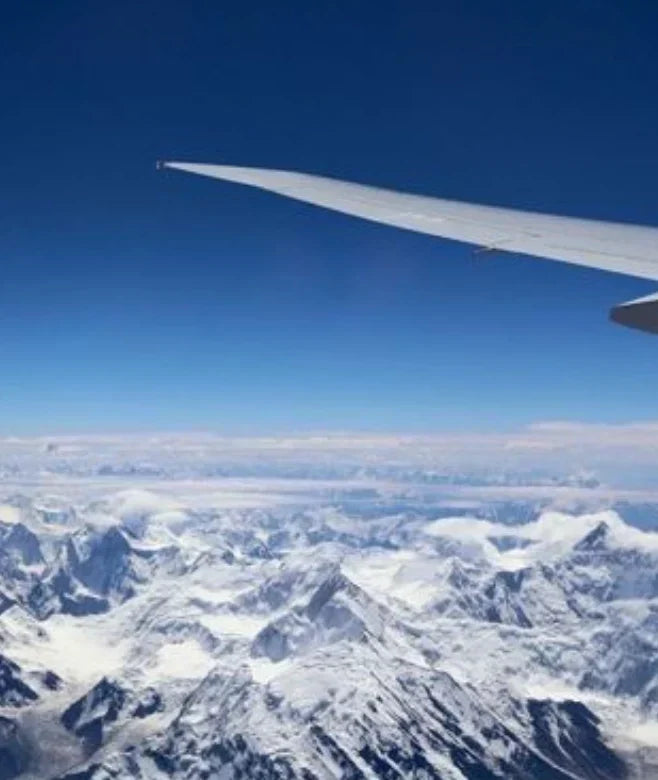
K2 is one of the most powerful names in mountaineering, but the mountain itself is far more than a famous label.
Rising to 8,611 meters, or about 28,251 feet, this Karakoram giant is the second-highest mountain in the world, behind Mount Everest. Yet height alone does not explain its reputation. Climbers respect it because it is steep, remote, technical, and deeply unforgiving.
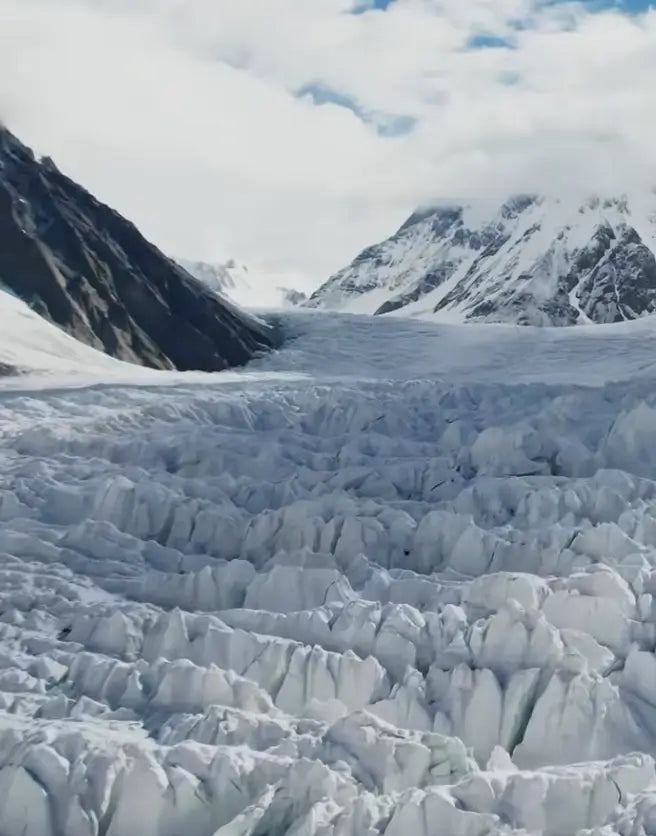
Known locally as Chogori, the peak stands in one of the wildest mountain regions on Earth. It is surrounded by glaciers, high passes, severe weather, and a landscape that makes even reaching base camp feel like a major journey.
To understand why this mountain matters, you have to look at its location, its name, its height, and the way it has shaped the imagination of climbers for more than a century.
Quick Facts
- Common name: K2
- Regional name: Chogori / Qogir
- Elevation: 8,611 meters / 28,251 feet
- Global rank: Second-highest mountain in the world
- Mountain range: Karakoram Range
- Region: Pakistan-China border area
- Common approach: Gilgit-Baltistan, Pakistan
- Most famous route: Abruzzi Spur
- First ascent: 1954, by an Italian expedition
Where Is This Mountain Located?
The peak is located in the Karakoram Range, near the border region between Pakistan-administered Gilgit-Baltistan and China’s Xinjiang region.
Most expeditions approach from the Pakistani side. The journey usually begins in Islamabad, continues to Skardu, then moves by road toward Askole. From there, climbers and trekkers follow the Baltoro Glacier toward Concordia and the Godwin-Austen Glacier area.
This location is one of the reasons the mountain feels so serious. It is not close to roads, towns, or simple rescue access. By the time a team reaches base camp, they have already crossed a long and demanding expedition landscape.
The mountain’s remoteness is part of its identity.
How High Is It?
The accepted elevation is 8,611 meters, or roughly 28,251 feet.
That makes it the second-highest mountain on Earth, after Mount Everest. Everest is taller, but the Karakoram peak is often considered harder to climb because of its steeper terrain, more technical route, harsher weather, and limited rescue options.
This is an important distinction. Altitude matters, but altitude is not the only measure of difficulty. A lower mountain can still be more dangerous if the route is steeper, the weather less predictable, and the descent more exposed.
That is exactly why this peak has such a strong reputation.
Why Is It Called K2?
The name comes from a 19th-century survey of the Karakoram. The “K” refers to the Karakoram, and the number “2” means it was the second peak recorded in that survey sequence.
Unlike many great mountains, the survey label stayed. It became the name most commonly used in international mountaineering.
The mountain is also known as Chogori, a regional name often associated with the idea of a “big mountain.” You may also see spellings such as Qogir, especially in Chinese and regional contexts.
The two names tell different stories. One comes from surveying and mapping. The other connects the peak to the region around it.
Why Does This Mountain Matter?
This mountain matters because it represents more than height.
For climbers, it is one of the ultimate tests of high-altitude mountaineering. Its standard route includes steep snow, rock, ice, and dangerous upper-mountain terrain. Reaching the summit requires not just fitness, but patience, judgment, and experience.
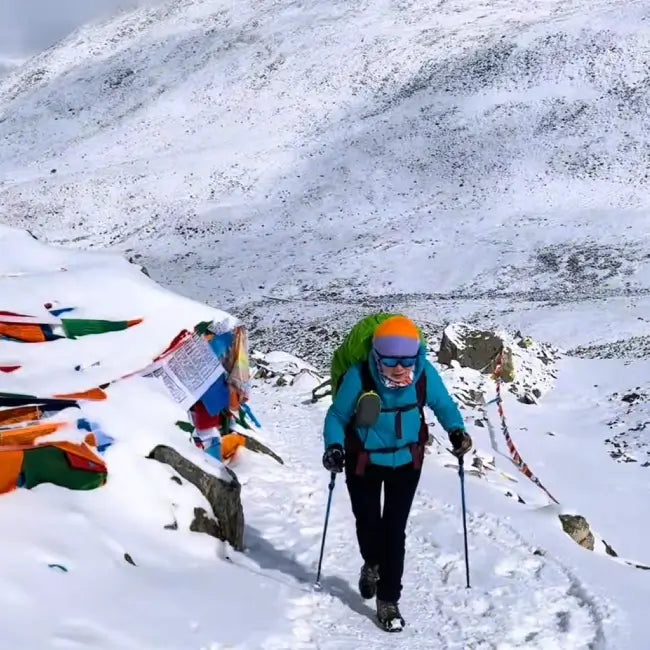
For trekkers, the journey to base camp is one of the most dramatic routes in the world. The approach through the Baltoro Glacier and Concordia passes through a landscape of giant peaks and deep ice.
For geographers and scientists, the Karakoram is important because of its glaciers, tectonic activity, and unusual climate patterns.
For local communities in Baltistan, the mountain is connected to tourism, guiding, porter work, cultural identity, and environmental responsibility.
Why Climbers Respect It So Deeply
The peak has a reputation for being less forgiving than Everest.
Its most common route, the Abruzzi Spur, is steep and sustained. The upper mountain includes the Bottleneck, a dangerous section beneath unstable hanging ice. Weather windows are often narrow, and rescue can be extremely difficult.
This is why experienced climbers rarely speak about the mountain casually. It is beautiful, but not gentle. It rewards preparation and punishes overconfidence.
In mountaineering, respect is earned by difficulty, consequence, and history. This mountain has all three.
More Than a Summit
It is tempting to reduce famous mountains to numbers: height, ranking, first ascent date, death rate. But the second-highest mountain in the world cannot be understood only through statistics.
Its meaning comes from the full experience:
- the long journey through the Karakoram
- the glacier approach
- the exposed routes
- the harsh weather
- the stories of success and loss
- the local communities that support expeditions
- the environmental responsibility that comes with visiting
The summit is only one part of the story.
Final Thoughts
K2 stands at 8,611 meters in the Karakoram Range, making it the second-highest mountain in the world. But its real importance is not only in its elevation.
It matters because it is remote, severe, historically rich, and deeply respected by climbers. It matters because reaching it requires commitment long before the technical climbing begins. And it matters because it reminds people that mountains are not just destinations. They are places with geography, culture, risk, and consequence.
This is not simply the world’s second-highest peak. It is one of the great mountains of the Earth.
FAQ
Where is K2 located?
K2 is located in the Karakoram Range, near the Pakistan-China border region.
How high is the mountain?
It is 8,611 meters, or about 28,251 feet, above sea level.
What is Chogori?
Chogori is a regional name associated with the same mountain.
Is it higher than Mount Everest?
No. Mount Everest is higher. This is the second-highest mountain in the world.
Why is the mountain so famous?
It is famous because of its height, remoteness, technical difficulty, dangerous weather, and major place in mountaineering history.

Leave a comment
All comments are moderated before being published.
This site is protected by hCaptcha and the hCaptcha Privacy Policy and Terms of Service apply.