
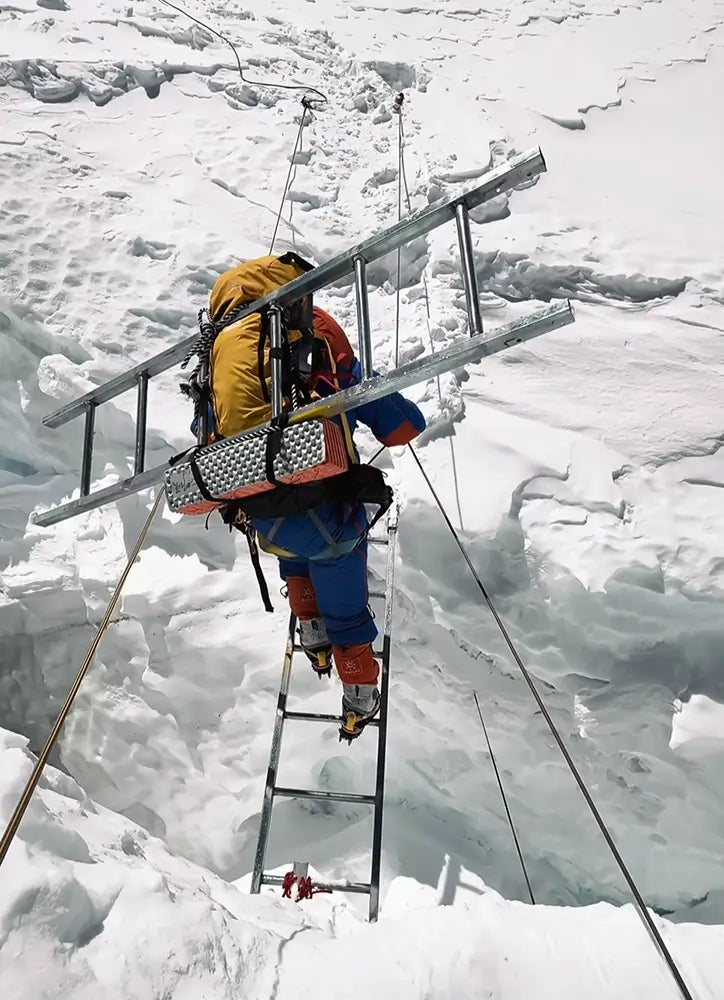
The hardest part of the Everest Base Camp Trek is often not the steepness of the trail. It is the altitude.
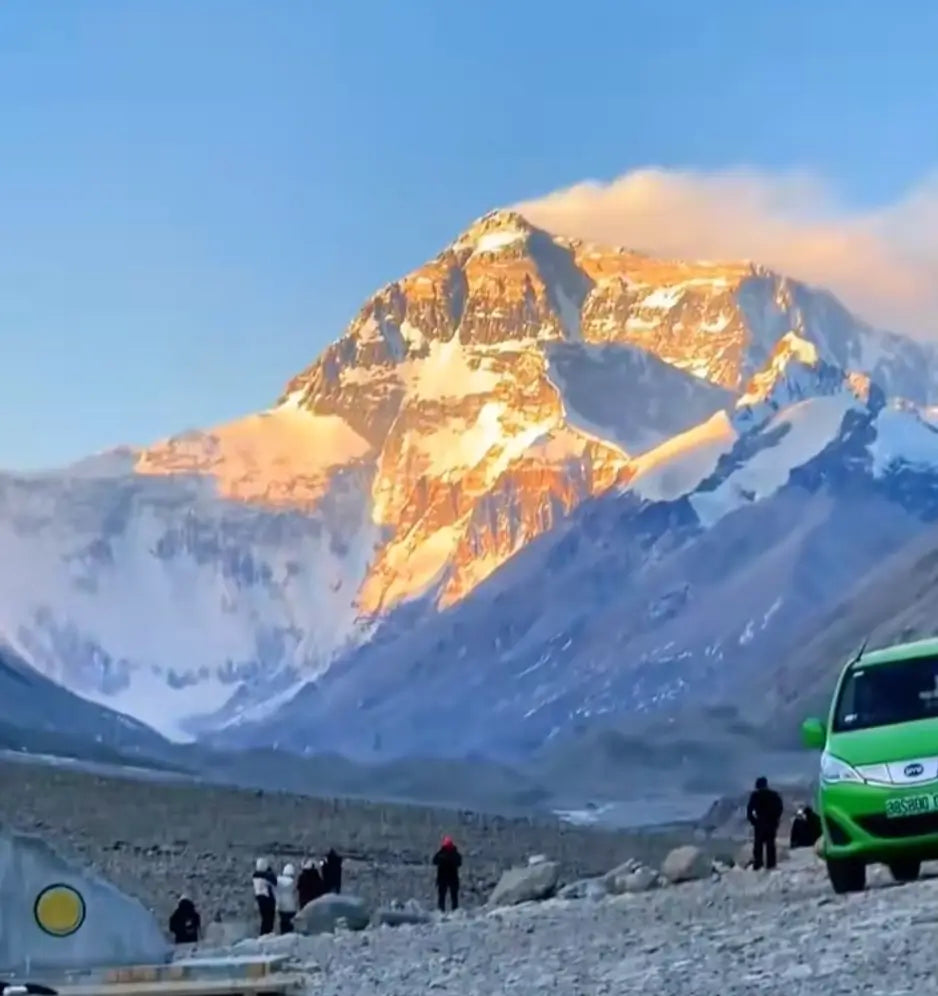
Many trekkers train their legs, buy boots and study the route, but underestimate altitude sickness. The EBC trek is not a climb of Mount Everest, but it reaches above 5000 metres. Everest Base Camp is around 5364 metres, and Kala Patthar is around 5545 metres. That is high enough for healthy, fit and young people to experience headache, poor sleep, nausea, loss of appetite and unusual fatigue.
Altitude sickness does not care how fast you run at home. It cares more about how quickly you ascend, where you sleep, how well your body adapts and whether you stop when symptoms appear.
Quick Answer
To prevent altitude sickness on the Everest Base Camp Trek:
- Do not rush the itinerary; choose 12 to 14 days
- Spend acclimatisation days in Namche Bazaar and Dingboche
- Follow the “climb high, sleep low” principle
- Walk slowly and do not race other trekkers
- Eat and drink regularly, but do not believe water solves everything
- Avoid alcohol and heavy exercise early at altitude
- Know the warning signs of AMS, HAPE and HACE
- Do not ascend if symptoms worsen; descend if symptoms are serious
In simple terms, the best altitude sickness prevention for EBC is not a miracle pill. It is giving your body enough time.
What Is Altitude Sickness
Altitude sickness happens when the body does not adapt well after moving to higher altitude. The CDC Yellow Book describes acute mountain sickness as feeling similar to a hangover. Headache is the main symptom, often with loss of appetite, dizziness, fatigue, nausea or vomiting. Symptoms often begin several hours after arrival at altitude, especially during the first night or the following morning.
The NHS lists common symptoms such as headache, loss of appetite, feeling or being sick, tiredness, dizziness and difficulty sleeping. On the EBC trek, these symptoms are easy to dismiss as “just tiredness” or “a bad night”.
The problem is that mild discomfort may be normal adjustment, but it may also be the start of acute mountain sickness. If you continue upward, it can become worse.
Where Altitude Sickness Often Appears on the EBC Route
Everyone reacts differently, but several points on the EBC route deserve extra care.
Namche Bazaar
Namche Bazaar is around 3440 metres. Many trekkers move from Phakding to Namche in one long uphill day and feel altitude for the first time. Spending two nights here is a sensible part of most EBC itineraries.
Dingboche
Dingboche is around 4410 metres and is one of the most important acclimatisation stops on the trek. From here, Lobuche, Gorak Shep, Base Camp and Kala Patthar are all close to or above 5000 metres. If you are not adapting well in Dingboche, the next days can become difficult.
Lobuche and Gorak Shep
Lobuche is around 4910 metres and Gorak Shep around 5160 metres. The air is thinner, rooms are colder, sleep is worse and appetite often drops. Many trekkers feel the hardest altitude effects here.
Why You Should Not Skip Namche and Dingboche Rest Days
Some people try to compress EBC into 9 or 10 days because they are fit or have limited time. That can be risky.
Fitness helps you walk faster, but faster walking does not mean better acclimatisation. Altitude illness risk is strongly linked to ascent rate. NaTHNaC notes that AMS symptoms usually occur 6 to 10 hours after ascent above 2500 metres and advises not ascending to sleep at a higher altitude when symptoms are present.
The purpose of Namche and Dingboche rest days is to give the body time. A good acclimatisation day is not just lying in bed. It often means hiking higher during the day and returning lower to sleep: climb high, sleep low.
Common EBC acclimatisation hikes include:
- Namche day: hike toward Everest View Hotel or Khumjung, then sleep in Namche
- Dingboche day: hike toward Nagarjun Hill or a nearby ridge, then sleep in Dingboche
These days may look slow, but they buy safety for the 5000 metre section ahead.
How Fast Should You Walk
The best EBC pace is slow enough that it almost feels too slow, but your body feels steady.
Many altitude problems begin with walking too fast early in the trek. Do not compete with stronger trekkers. High-altitude trekking is not a race. The minutes you win at 3000 metres may cost you a full day at 5000 metres.
A good pace means:
- You can speak while walking
- You are not gasping constantly
- You take small uphill steps
- You rest briefly and often
- You do not sprint to catch the group
- You warm up slowly in the morning
- You still have appetite and basic energy at day’s end
Guides often say “bistari, bistari”, meaning slowly. It is not politeness. It is Himalayan wisdom.
How Much Do Food and Water Matter
High altitude is dry, and breathing faster increases fluid loss. Hydration matters, but water is not magic. Not every headache is dehydration. It may be altitude sickness.
A sensible approach is:
- Drink regularly through the day
- Avoid consistently dark urine
- Use electrolytes if helpful
- Avoid or minimise alcohol
- Do not skip hot drinks only to save money
- Do not force excessive water intake
Food matters too. Altitude reduces appetite, but not eating makes recovery harder. Hot meals like dal bhat, soup, potatoes, rice, noodles and porridge are usually better for a long trek than relying only on chocolate or energy bars.
Can Diamox Prevent Altitude Sickness
Diamox, or acetazolamide, is commonly used to help prevent altitude sickness or support acclimatisation. Medical evidence supports its use in suitable cases, but it is not required for everyone and it is not a protective shield.
Side effects may include tingling fingers or toes, frequent urination and taste changes. It may not be suitable for some medical conditions or medications. Whether to use it, when to start and what dose to take should be discussed with a doctor before the trek, not decided in a tea house because another trekker offered advice.
Most importantly, Diamox does not replace slow ascent. It does not make it safe to continue upward when symptoms are clearly worsening.
Which Symptoms Can Be Watched and Which Are Dangerous
Mild headache, poor sleep and reduced appetite are common on the EBC route. But symptoms that worsen or become severe need attention.
Warning signs include:
- Headache getting worse
- Symptoms not improving after rest
- Repeated vomiting
- Poor coordination
- Slow responses
- Confusion
- Breathlessness at rest
- Worsening cough
- Chest tightness
- Blue lips or fingers
- Extreme fatigue or inability to care for yourself
These may suggest serious altitude illness, including high-altitude cerebral edema or high-altitude pulmonary edema. Do not continue upward. Tell your guide immediately and descend to lower altitude as soon as possible. Medical help or evacuation may be needed.
When Must You Descend
The simple rule is:
If you have symptoms, do not ascend to sleep higher.
If symptoms worsen, descend.
If severe neurological or breathing symptoms appear, descend urgently and seek help.
Many trekkers fear descent because it feels like failure. It is not failure. It is often the most mature decision. The mountain will remain. You only have one body.
If symptoms are significant in Dingboche, descending lower and resting may allow you to recover. If you force yourself to Lobuche or Gorak Shep, the situation may become harder to manage.
Are Oxygen Bottles and Helicopters a Final Backup
EBC trekkers usually do not use oxygen bottles. Some tea houses, guides or medical posts may have emergency oxygen, but oxygen buys time. It does not replace descent. Helicopter evacuation is also not a button that works in every condition. Weather, cloud, wind, insurance, location and communication all affect rescue.
Do not treat “I can always get a helicopter” as a trek strategy. A better strategy is not letting things reach that point.
How to Plan a Safer EBC Itinerary
For a first EBC trek, a safer rhythm usually includes:
- At least 12 days, ideally around 14
- Two nights in Namche
- Two nights in Dingboche
- Avoid lingering too long at Gorak Shep
- Visit Base Camp and return to Gorak Shep the same day
- Treat Kala Patthar as optional depending on condition
- Keep 1 to 2 buffer days for Lukla flights
- Accept itinerary changes if your body is struggling
Kala Patthar is beautiful, but it is not an exam. If you reach Gorak Shep with severe headache, nausea and poor sleep, a pre-dawn climb may not be worth the risk.
Practical Tips for Trekkers
Train your legs and cardio for 2 to 3 months before departure.
Do not walk too fast on the first days.
Tell your guide honestly how you feel every day.
Do not hide headache or nausea.
Avoid alcohol, especially above Namche.
Keep water, headlamp and warm clothes easy to reach at night.
Eat hot food higher on the trail.
Stay warm, because getting chilled makes everything worse.
Buy insurance covering trekking above 5500 metres and helicopter evacuation.
See descent as a safety tool, not a failure.
None of this is fancy. It is the kind of advice that actually works on the trail.
Conclusion
How do you prevent altitude sickness on the Everest Base Camp Trek? Walk slowly, ascend gradually, acclimatise properly and be honest about symptoms. Do not skip Namche and Dingboche. Treat “climb high, sleep low” as a real tool. Discuss Diamox with a doctor before travel. Descend if serious symptoms appear.
The best EBC trekker is not the one at the front of the group every day. It is the one who reaches Gorak Shep still able to eat, think, sleep and descend safely.
The mountain will not become lower because your schedule is tight. Smart trekkers give speed to the altitude and keep safety for themselves.

Leave a comment
All comments are moderated before being published.
This site is protected by hCaptcha and the hCaptcha Privacy Policy and Terms of Service apply.