
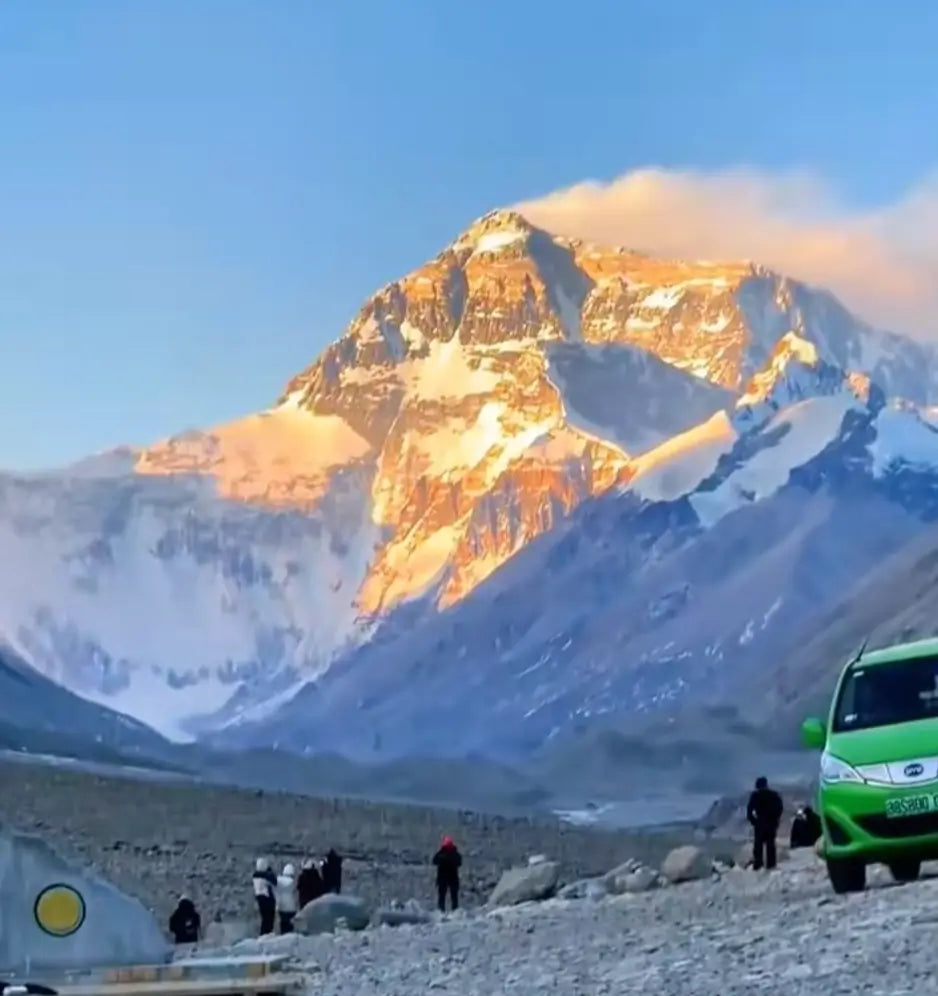
Ask when to trek to Everest Base Camp, and the usual answer is simple: spring or autumn.
Spring generally means March to May. Autumn generally means late September to November. These two windows offer more stable weather, better visibility, full tea house services and more reliable trekking conditions. Most operators, guides and experienced trekkers recommend these seasons for the Everest Base Camp Trek.
But if you ask more carefully, the answer becomes more personal. Is spring or autumn better? Is April better than October? Can you trek in winter? Is the monsoon completely impossible? The best time for EBC depends on temperature, clouds, flights, crowds, accommodation, mountain views, expedition atmosphere and your tolerance for cold.
Quick Answer
For first-time Everest Base Camp trekkers:
- Best overall window: October to early November
- Best for Everest expedition atmosphere: April to early May
- Best for flowers and warmer days: late March to April
- Best for fewer crowds: late November or early December, but colder
- Not ideal for first-timers: June to August monsoon
- Possible for experienced cold-weather trekkers: December to February
In simple terms, autumn is usually better for clear mountain views. Spring is better for expedition atmosphere and warmer trekking days.
What Is Spring Like
Spring, from March to May, is one of the most popular seasons for the Everest Base Camp Trek. Himalayan Glacier’s seasonal guide also lists March to May as one of the best periods for EBC, with stable weather and scenic advantages.
Spring advantages include:
- Warmer days
- More comfortable walking temperatures
- Rhododendron blooms lower on the trail
- Everest expeditions arriving at Base Camp
- Full tea house, guide and porter services
- Good conditions for first-time high-altitude trekkers
The special charm of spring is the Everest climbing season. In April and early May, Base Camp fills with expedition tents, climbing teams, Sherpa workers, gear loads and the quiet tension of people waiting for summit weather. If you are interested in Everest climbing culture, spring gives the trek more context.
Spring disadvantages include:
- Busier trails
- Tea houses fill faster
- Prices may be slightly higher
- April and May can feel crowded
- Afternoon cloud may build
- Late May can become more unstable before the monsoon
Choose spring if you like energy and want to see the expedition season. Choose another window if you mainly want solitude and crisp views.
What Is Autumn Like
Autumn usually means late September to November, especially October and early November. For many trekkers, this is the best time for Everest Base Camp. Ian Taylor Trekking’s weather guide describes late September to November as a period of clear skies, strong mountain views and cultural festivals.
Autumn advantages include:
- Cleaner air after the monsoon
- Excellent mountain visibility
- Relatively stable weather
- Comfortable daytime trekking
- Good trail conditions
- Better photography conditions
If your goal is to see Everest, Lhotse, Nuptse, Ama Dablam and Pumori clearly, autumn is often the safer bet. October is popular because skies can be blue, clouds are fewer and mountain outlines look sharp.
Autumn disadvantages include:
- October is very popular
- Tea houses should be arranged early
- Nights are colder than spring
- Temperatures drop noticeably in November
- Lukla flights can still be delayed
Autumn is not empty and not risk-free. But for clear views and stable trekking, it is hard to beat.
April or October
Many trekkers choose between April and October. Here is the simple comparison.
Choose April If You Want
- Warmer trekking days
- Spring flowers
- Everest expedition atmosphere
- Longer daylight
- Base Camp tents and climbing-season energy
April feels alive. You meet trekkers, climbers, porters, yaks and expedition loads moving through the valley. The downside is crowding and busy tea houses.
Choose October If You Want
- Clearer mountain views
- Better photography skies
- Clean post-monsoon air
- Stable walking conditions
- A classic autumn trekking experience
October is the favourite for many trekkers. The downside is that it is also busy, and high nights are colder.
If I had to choose one for a first EBC trek, I would lean toward October. If Everest expedition culture matters more to you, April is the more interesting month.
Is March Good
March is the beginning of spring. Lower sections warm up, trails get busier and the region starts waking up after winter. Higher areas can still be cold, with snow or icy patches possible.
March advantages:
- Fewer people than April
- Fresh early-season air
- Slightly less accommodation pressure
- Good for avoiding peak crowds
March disadvantages:
- Cold higher up
- Big temperature swings
- Flowers may not be fully out
- Winter conditions may remain
Late March can be a good choice if you have proper layers and do not mind colder mornings.
Is May Good
May is still spring and overlaps with the Everest summit season. Base Camp may feel full of expedition energy.
May advantages:
- Warmer temperatures
- Strong climbing-season atmosphere
- More comfortable daytime walking
- Better for people who dislike cold
May disadvantages:
- More afternoon cloud
- Less crisp air than autumn
- Busy trails and tea houses
- More pre-monsoon uncertainty later in the month
If you want the clearest mountain photography, May may not beat October. If you want to feel the Everest season, early May can be excellent.
Is November Good
November is late autumn. Many trekkers like it because skies can remain clear while crowds start to ease. Nepal Hiking Team’s recent guidance also lists October to November among the more stable and clearer trekking periods.
November advantages:
- Clear mountain views
- Fewer trekkers than October
- Strong photography conditions
- Trail still very manageable
November disadvantages:
- Nights become cold
- High tea house rooms are chilly
- Early starts feel harder
- Late November moves toward winter
Early November is an excellent choice if you can handle colder nights. Late November requires more serious warmth.
Can You Trek to EBC in Winter
Winter usually means December to February. Yes, you can trek to Everest Base Camp in winter, but it is not for everyone.
Ian Taylor Trekking’s monthly weather guide describes winter as quiet but very cold, with limited services. That is accurate. Winter EBC can be beautiful: fewer people, clear skies and a peaceful trail. But it is cold in a way that casual trekkers may not enjoy.
Winter advantages:
- Fewer crowds
- Clear mountain views
- Easier accommodation
- Quiet trails
- Unique photography atmosphere
Winter disadvantages:
- Very cold nights
- Some tea houses may close
- Higher gear demands
- Snow may make trails harder
- Flight and weather risk remains
- Not ideal for cold-sensitive first-timers
Winter EBC suits experienced hikers with good gear, flexible schedules and comfort in harsh conditions. It is not the best first Himalayan trek for most people.
Can You Trek During the Monsoon
The monsoon usually runs from June to August. People do trek to EBC during the monsoon, but it is not generally recommended.
Monsoon problems include:
- More rain lower on the trail
- Cloud blocking mountain views
- Higher Lukla flight delay risk
- Slippery trails
- Leeches and damp conditions lower down
- Unreliable visibility
There are some advantages: fewer people, greener valleys and potentially lower prices. But for a first EBC trek, spending the time and money while clouds hide the mountains can be disappointing.
If you must trek in the monsoon, add buffer days, bring better waterproof gear and accept that you may not see Everest clearly.
Lukla Flights and Season Choice
Whatever season you choose, Lukla flights remain one of the biggest uncertainties. Weather, cloud, wind and visibility all affect flights. In peak periods, flights may operate from Ramechhap instead of Kathmandu, adding an early road transfer.
Season affects flight reliability, but it never guarantees smooth travel. Plan like this:
- Keep at least 1 to 2 buffer days
- Do not book your international flight immediately after returning from Lukla
- Book flights and accommodation early in peak season
- Accept possible Ramechhap transfers
- Carry spare money for delays
Many EBC plans are disrupted not by walking difficulty, but by flight delays.
Month by Month Summary
January
Very cold and quiet. Best for experienced trekkers with strong gear.
February
Still cold, especially high up. Late February begins moving toward spring.
March
Early spring, fewer crowds, cold higher up. Late March is better.
April
Prime spring season. Warmer, colourful, full of expedition atmosphere, but busy.
May
Warmer and lively at Base Camp, though later May may bring more cloud and instability.
June
Monsoon begins. Not ideal for first-timers.
July
Wet and cloudy. Generally not recommended for a first EBC trek.
August
Late monsoon. Still damp, cloudy and flight-risky.
September
Early September may still be affected by monsoon. Late September improves.
October
Prime autumn season. Clear views, stable weather, popular trails.
November
Excellent views, colder nights, fewer people later in the month.
December
Clear, quiet and cold. Better for experienced trekkers.
How to Choose Your Season
If you dislike cold: choose April or early May.
If photography matters most: choose October or early November.
If you want Everest expedition atmosphere: choose April to early May.
If you dislike crowds: choose late March, late November or early December.
If this is your first high-altitude trek: choose April, October or early November.
If you are on a tight budget: shoulder seasons may help, but do not sacrifice safety.
If your dates are fixed: choose a main season and add buffer days.
There is no perfect month. There is only the month that best fits your priorities.
Conclusion
The best time for Everest Base Camp Trek is usually spring from March to May or autumn from late September to November. For clear mountain views and stable weather, October to early November is hard to beat. For Everest expedition atmosphere, warmer days and spring colour, April to early May is excellent.
Winter is quiet but cold. Monsoon is green but unreliable. First-time EBC trekkers should usually avoid choosing a difficult season just to save money or avoid crowds.
Choosing the right season will not make the trek easy, but it gives you a better chance of seeing the Khumbu at its best: cold mornings, bright peaks, moving clouds, long walking days and the quiet satisfaction of reaching Everest Base Camp step by step.

Leave a comment
All comments are moderated before being published.
This site is protected by hCaptcha and the hCaptcha Privacy Policy and Terms of Service apply.