

If you want to climb Mount Everest, the first step is not buying a down suit or booking a flight. The first step is understanding whether you can legally obtain an Everest climbing permit.
Many people imagine the Everest permit as a simple ticket. It is not. An Everest climbing permit is an official document that allows a mountaineering expedition to attempt a specific route in a specific season under national rules. It is connected to safety, route management, environmental responsibility, expedition logistics and government oversight.
As of public information available in July 2026, the Nepal south side remains the main route for most international Everest climbers. The Tibet north side is more dependent on policy, seasonal access and official management, especially for foreign climbers. In either case, Everest is not a mountain where ordinary individuals can simply arrive and start climbing.
Quick Answer
Most individuals cannot buy an Everest climbing permit online like a travel ticket. The usual process is:
- Choose a legal expedition operator
- Submit passport, photo, climbing history, insurance and health information
- The operator applies to the relevant authority
- Pay the permit fee and related expedition costs
- Complete briefings, registration and team arrangements
- Climb only within the approved route, season and expedition plan
On the Nepal side, Everest permits are managed by the government authority responsible for mountaineering expeditions. Nepal’s public mountaineering fee table lists the Everest normal route spring permit for foreign climbers at USD 15000, with lower fees in autumn and winter or summer. Fees and rules can change, so climbers should always confirm current details with official sources and their expedition operator.
Why You Usually Cannot Apply Completely Alone
In theory, the permit is for climbers and expedition teams. In practice, ordinary foreign climbers rarely arrange the whole process independently.
The reason is simple: the authorities are not only checking whether you want to climb. They need to know who is responsible for the expedition. Which company or team are you with? Which route will you use? Which season? Who manages Base Camp? Who handles waste deposits? Who coordinates high-altitude support, emergency response and communication with officials?
Saying “I am experienced and want to climb alone” is usually not enough to form a complete Everest application.
For most climbers, an expedition company is not just a commercial guide service. It is also part of the legal, logistical and safety structure behind the permit.
Nepal South Side Permit Process
The Nepal side is the most common route for international Everest expeditions. A typical process looks like this.
Step One Choose an Expedition Company
You first choose a legal Everest expedition operator. This may be a major international company or a Nepal-based operator. Do not choose by price alone. Look closely at oxygen plans, Sherpa ratios, insurance requirements, turnaround rules, rescue arrangements and excluded costs.
A responsible company will ask about your mountaineering background before accepting you. If a company only talks about deposits and summit success, be careful.
Step Two Submit Personal Documents
Your expedition company will usually request:
- Passport details
- Passport photos
- Climbing resume
- High-altitude experience
- Health or medical information
- Emergency contacts
- Insurance details
- Gear checklist
Some operators may expect previous climbs above 6000 or 7000 metres. Nepal has also discussed stricter Everest entry requirements in recent years, including previous high-altitude summit experience. Whether a rule is formally in force and how it is applied should be checked with official sources before booking.
Step Three The Operator Applies for the Permit
Most operators collect the required documents and submit the application to the relevant Nepalese authority. The permit will usually specify the mountain, route, season, team members and valid period.
This is why Everest is not a last-minute trip. The process normally begins months before the climbing season.
Step Four Pay Permit and Related Fees
The Everest climbing permit is only one part of the total cost. Other costs may include:
- Sagarmatha National Park or local fees
- Environmental or waste deposits
- Liaison or management-related costs
- Fixed rope and route maintenance fees
- Base Camp services
- Expedition service fee
- High-altitude worker support
- Oxygen, tents, food, communication and transport
According to Nepal’s public mountaineering fee table, the Everest normal route spring permit for foreign climbers is now listed at the USD 15000 level. But paying the permit fee does not put you on the summit. It only gives permission to take part in the expedition.
Step Five Registration and Briefings in Nepal
After arriving in Kathmandu, climbers usually complete team meetings, equipment checks, official or operator briefings, insurance confirmation and final logistics. Only after this does the expedition move toward Lukla and then trek to Everest Base Camp.
This stage may feel administrative, but it matters. Once you enter the mountains, fixing paperwork, insurance or gear problems becomes much harder.
Step Six Climb Within the Approved Route
An Everest permit is linked to a route and season. You cannot freely switch routes or cross borders because you feel like it. Nepal’s mountaineering rules include requirements around routes, liaison communication, environmental conduct and border-area mountains.
On Everest, route discipline is serious. Holding a permit does not mean you can climb anywhere you want.
Tibet North Side Permits
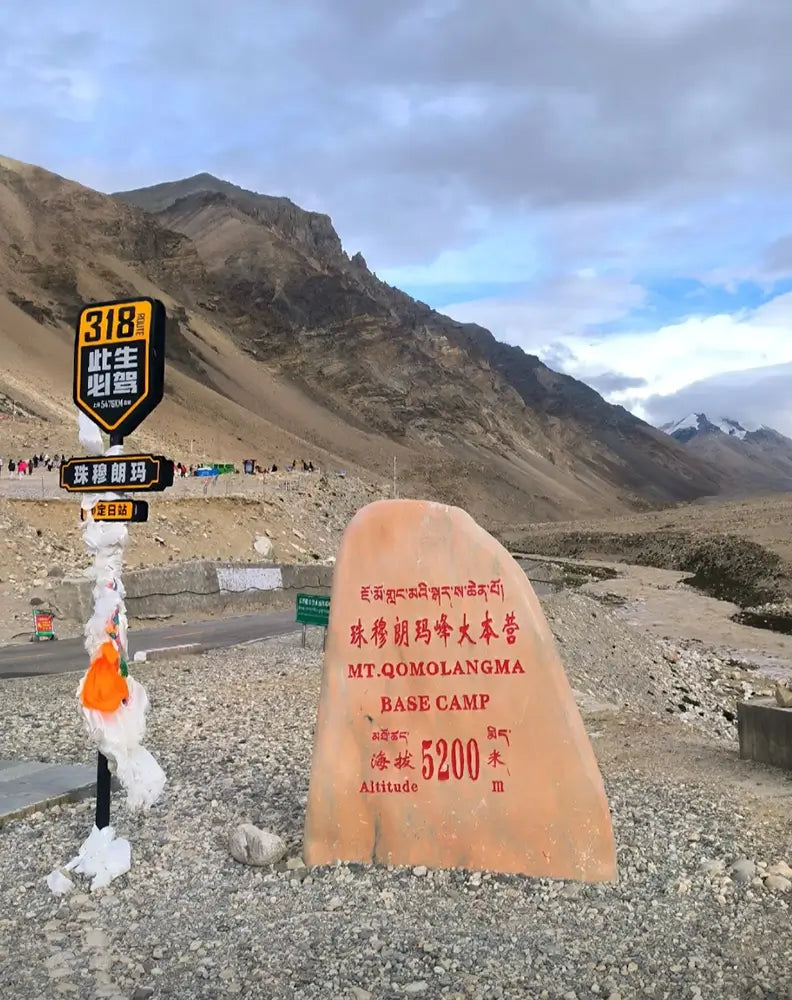
The north side of Everest is approached through Tibet. It avoids the Khumbu Icefall and has a different access style, but the permit system is not simpler.
Foreign climbers usually need to consider:
- Chinese visa
- Tibet travel permit
- Border-area permits
- Mountaineering permit
- Approved expedition organisation
- Seasonal access policy
- Transport and safety management rules
In recent years, north side access has changed several times and public climbing season updates have often mentioned closures or restrictions. For an international climber, the north side is not usually a fully self-arranged option. Anyone considering it should confirm directly with a qualified operator whether the route is open, who can apply, what documents are required and when applications must be submitted.
Common Everest Permit Mistakes
Mistake One Thinking the Permit Is the Whole Cost
This is the most common misunderstanding. The permit is not the expedition. Oxygen, Sherpa support, tents, food, domestic travel, insurance, equipment and tips are all separate parts of the budget.
Mistake Two Thinking Money Guarantees Approval
Money matters, but it should not be the only requirement. Everest is increasingly discussed in terms of experience, safety and environmental responsibility. Good operators should not accept completely inexperienced clients simply because they can pay.
Mistake Three Trying to Bypass the System
Climbing illegally is not just a legal risk. It is a safety risk. If something goes wrong, rescue workers, Sherpa teams and other climbers may be affected. Everest’s fixed ropes, Base Camp systems and high camps are not designed for unregistered climbers.
Mistake Four Choosing a Cheaper Season Without Understanding Risk
Spring is the most expensive season because it is the main Everest climbing season. Autumn, winter or summer may have lower permit fees, but weather, wind, snow conditions and success rates can be very different. A cheaper permit does not always mean a better plan.
What to Prepare Before Applying
If Everest is a goal in the next few years, start preparing these things early.
Climbing Resume
Record mountains climbed, altitude, route type, technical equipment used and whether you have slept in high camps.
Proof of Altitude Experience
If you have climbed above 6000 or 7000 metres, keep certificates, photos, GPS records or operator confirmations. These may help with expedition screening.
Insurance
Normal travel insurance usually does not cover Everest. Check whether your policy covers high-altitude mountaineering, helicopter rescue, medical evacuation and extreme altitude.
Medical Check
Heart and lung health, blood pressure, previous altitude illness and chronic conditions should be assessed honestly. Everest is not a place to hide medical problems.
Full Budget Plan
Do not only ask “How much is the permit?” Ask what the full expedition fee includes, how many oxygen bottles are supplied, whether Sherpa support is included, who pays for evacuation, how gear transport works and whether tips are separate.
Advice for Ordinary Climbers
If you do not yet have experience above 6000 metres, do not rush into permit research. Focus first on training, skills and gradual altitude exposure.
A better order is:
Build trekking experience.
Try high-altitude treks.
Learn snow and rope skills.
Climb a 6000 metre mountain.
Move toward 7000 metres or higher.
Then consider Everest operators and permits.
Serious Everest preparation is not just asking how to get the permit. It is asking whether you are ready to use it responsibly.
Conclusion
An Everest climbing permit is not a simple ticket. It is official permission to enter a complex high-altitude expedition system. For most climbers, it must be arranged through a legitimate expedition operator and is connected to route, season, team structure, environmental rules, safety systems and logistics.
If Everest is your dream, the smart path is not looking for shortcuts. It is choosing a legal, transparent and responsible route. A permit can be paid for, but Everest itself still asks a harder question: do you have the experience, judgement and respect to be there?

Leave a comment
All comments are moderated before being published.
This site is protected by hCaptcha and the hCaptcha Privacy Policy and Terms of Service apply.