
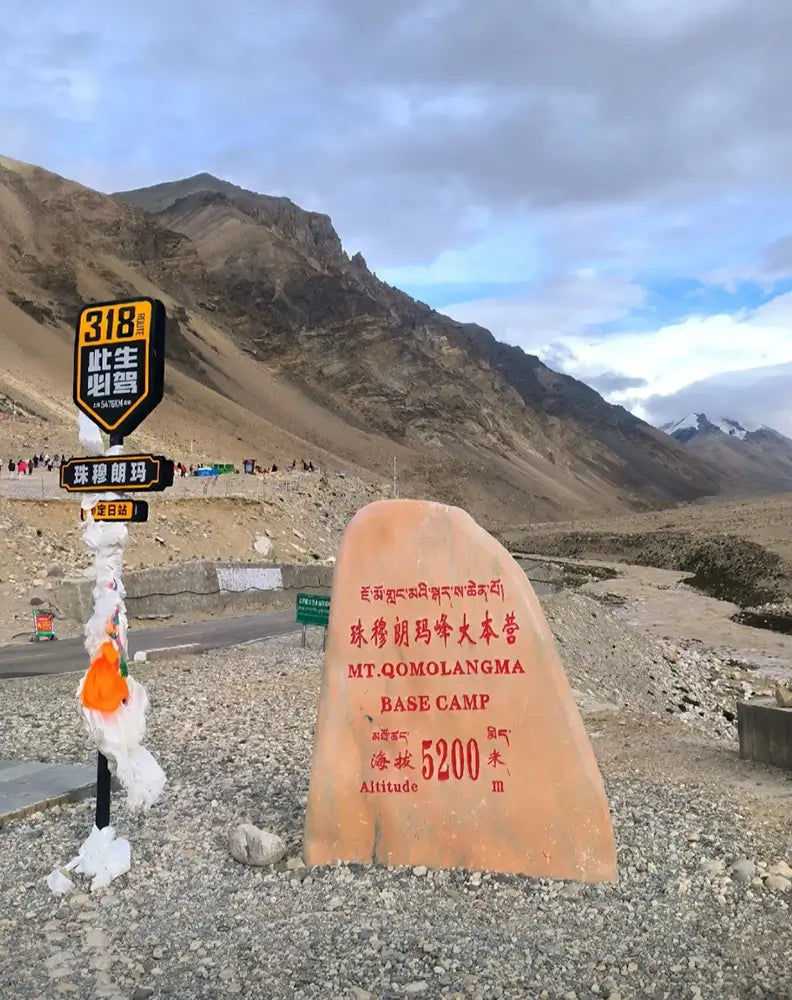
Many people ask whether an ordinary person can climb Everest. A better question is this: what qualifications does an ordinary person need before Everest becomes a serious goal?
Everest is not a journey completed by excitement alone. It takes money, time, fitness, judgement, experience and the ability to turn around when the mountain gives you a clear warning.
Modern commercial expeditions have made Everest more accessible than it was decades ago. There are fixed ropes, oxygen systems, Sherpa support, established camps and weather forecasts. But commercial support has not removed the death zone, storms, frostbite, altitude sickness or exhaustion. The mountain is still very real.
Quick Answer
To climb Everest, most people need:
- Strong aerobic fitness and endurance
- Several years of mountaineering or high-altitude trekking experience
- Previous climbs above 6000 metres, ideally 7000 metres or higher
- Basic snow, ice and fixed-rope skills
- Clear understanding of altitude illness, cold injury and oxygen use
- Enough budget for permits, expedition support, oxygen, gear and insurance
- Mental strength to wait, fail and turn back
- A legal, reliable and transparent expedition operator
In plain words, Everest is not a beginner mountain. It should be a high-level goal within a longer mountaineering journey.
Fitness Requirements: Endurance Matters More Than Speed
People often imagine Everest climbers as explosive athletes. In reality, Everest rewards long, steady endurance more than short bursts of power.
From Base Camp to the high camps, climbers go up and down several times to acclimatise. You are not climbing the mountain once. You are spending weeks moving, resting, recovering and climbing again. Your body must tolerate poor sleep, reduced appetite, cold, thin air and constant fatigue.
A realistic fitness base includes:
- The ability to hike for 8 to 10 hours
- Comfortable movement with a loaded pack
- Stable performance in cold and poor sleep
- Strong aerobic capacity on long climbs
- Enough leg strength to descend safely when tired
On Everest, reaching the summit is only half the story. Many serious problems happen on the way down, when energy, judgement and oxygen are running low.
Altitude Experience: You Need to Know Your Body
Being fit at sea level does not prove that you can handle 6000, 7000 or 8000 metres. High altitude is not just “feeling tired”. It changes how the whole body works.
Before Everest, climbers should ideally have experience at several altitude levels.
Around 5000 Metres
High-altitude treks, Everest Base Camp, Kilimanjaro or similar routes can introduce headaches, poor sleep, loss of appetite and breathing changes.
Around 6000 Metres
This is where mountaineering becomes more serious. Climbers may encounter snow slopes, crampons, rope systems, cold camps and stronger altitude symptoms.
7000 Metres or Higher
For Everest, experience above 7000 metres is extremely useful. Nepal has also discussed stricter experience requirements for Everest climbers in recent years. Rules can change, and climbers should always check current regulations with official sources and operators, but the direction is clear: Everest is not intended for people with no altitude background.
The value of altitude experience is not just proving that you are tough. It teaches you how your body reacts, whether you suffer badly from altitude sickness, and whether your judgement remains good when oxygen is low.
Technical Skills: A Commercial Team Cannot Move Your Body for You
The standard Everest routes now use fixed ropes, ladders and established camps, especially on the Nepal side. Even so, climbers still need basic technical skills. You do not need to be an elite alpinist, but you cannot expect others to do every movement for you.
Useful skills include:
- Walking securely in crampons
- Using an ascender on fixed ropes
- Descending with a device or safety system
- Crossing crevasse areas and ladders
- Moving steadily on steep snow
- Managing carabiners, safety lines and anchors
- Handling gear in extreme cold
- Coordinating gloves, oxygen mask, headlamp and ropes
At low altitude, these actions may feel simple. Above 7000 metres, everything becomes slower. Fingers are cold, breathing is hard and thinking is dull. A small task can become clumsy.
That is why real mountain training matters. Watching videos is not enough.
Financial Requirements: The Hidden Costs Matter
Everest costs vary widely. A premium international team may cost far more than a budget local operator. But there is no truly cheap Everest climb.
A typical budget needs to consider:
- Climbing permit
- Expedition operator fee
- Transport to and from Base Camp
- Base Camp and high camp logistics
- Oxygen bottles, mask and regulator
- Sherpa or high-altitude support
- Food, fuel and communications
- Fixed rope and route-related costs
- Personal gear
- Insurance and emergency planning
- Tips, backup funds and unexpected costs
Public information from Nepal’s Department of Tourism shows that the Everest permit alone is expensive. But the permit is only one part of the total bill. The real cost is the system that supports the climb.
A cheaper operator is not always bad, and an expensive operator is not automatically safe. What matters is transparency: what is included, what is missing and how risk is managed.
Mental Requirements: You Must Be Able to Accept Failure
One of the hardest parts of Everest is accepting that you may spend a large amount of money and still not summit.
Weather may shut the route. Your body may not adapt. Oxygen equipment may fail. The route may become crowded. A teammate’s accident may affect the whole expedition. On summit day, if you are moving too slowly, turning around may be the only responsible decision, even if the summit is close.
A mature Everest climber is not someone who always pushes forward. It is someone who understands when continuing is no longer wise.
Common mental pressures include:
- Long periods of waiting at Base Camp
- Fatigue from repeated acclimatisation climbs
- Anxiety when other climbers succeed
- The emotional weight of expensive failure
- Mood changes caused by altitude and exhaustion
- The real presence of death and serious accidents
Everest often defeats people not on the steepest ground, but in the thought: “I have come this far, so I cannot turn back now.”
Medical Requirements: “I Am Healthy” Is Not Enough
Before Everest, climbers should have a serious medical check. Heart and lung health, blood pressure, previous illness and altitude history all matter. A normal fitness check does not automatically mean your body is suitable for extreme altitude.
Important issues include:
- Heart disease risk
- Breathing problems
- High blood pressure
- Previous severe altitude illness
- Frostbite sensitivity
- Medication and chronic conditions
- Sleep and recovery ability
High altitude makes small problems bigger. Something minor at home can become serious above 7000 metres.
Gear Requirements: Expensive Is Not the Same as Suitable
Everest gear is not about owning famous brands. It is about building a system for severe cold, high wind, low oxygen and weeks of use.
Key equipment includes:
- 8000 metre mountaineering boots
- Down suit or high-altitude down system
- Very warm sleeping bag
- Layered glove system
- Crampons, harness, ascender and descender
- Glacier glasses and goggles
- Headlamp and spare batteries
- Oxygen mask and related accessories
- Sun protection, frostbite care and personal medicine
- Small items that properly fit your hands, feet and face
On Everest, small gear problems can become serious. Bad boots, cold gloves, weak batteries or an uncomfortable oxygen mask can affect safety.
Team Requirements: Choosing an Operator Means Choosing a Risk System
For most climbers, choosing the right expedition operator is one of the most important decisions.
Things to check include:
- Legal operation and permit handling
- Clear list of included and excluded costs
- Guide and Sherpa ratio
- Oxygen plan
- Turnaround rules
- Weather forecasting
- Medical and rescue plan
- Past safety record and reputation
- Whether the company accepts inexperienced clients too easily
A good operator does not only say, “We can take you to the summit.” It also explains when you should not continue.
A Realistic Path for Ordinary Climbers
If Everest is a long-term dream, a sensible path might look like this:
First, complete several long mountain treks.
Second, try high-altitude routes around 4000 to 5000 metres.
Third, learn snow, ice and rope skills.
Fourth, climb a 6000 metre peak.
Fifth, gain experience around 7000 metres or higher.
Sixth, reassess your body, budget, skill level and family responsibilities before committing to Everest.
This path is slower, but it gives you a more honest understanding of yourself. Everest does not need sudden enthusiasm. It needs patient preparation.
Conclusion
So, what qualifications do you need to climb Everest? The answer is not just fitness, money or courage. You need a complete foundation: physical endurance, altitude experience, technical skill, budget, mental maturity, medical readiness, proper gear and a reliable expedition team.
If someone has no altitude experience, no snow skills, limited budget and only a strong dream, Everest will not become safer because the dream is moving.
But if you are willing to prepare over several years, climb smaller mountains first, train seriously, learn the systems and choose a responsible operator, Everest can move from a distant symbol to a serious goal.
Everest is not forbidden to ordinary people. But it is definitely not an ordinary trip.


Leave a comment
All comments are moderated before being published.
This site is protected by hCaptcha and the hCaptcha Privacy Policy and Terms of Service apply.