
Quick Answer
As of 2026, a foreign climber joining a commercial Everest expedition from the Nepal side will commonly pay around USD 30000 to more than USD 100000. In many real cases, a serious and reasonably supported climb costs tens of thousands of dollars before personal extras are included.
A basic Nepalese-run expedition may cost around USD 30000 to USD 45000. A standard commercial expedition often sits around USD 45000 to USD 70000. Western-led or premium expeditions can reach USD 80000 to USD 120000 or more.
So, how much does it cost to climb Everest? A realistic answer is: enough that most climbers should think in terms of a major life investment, not an expensive holiday.
Why Prices Vary So Much
Everest expeditions are not identical products. Two companies may both advertise an “Everest Expedition,” but the actual support can be very different.
The price may change depending on:
- Guide ratio
- Sherpa support
- Oxygen allowance
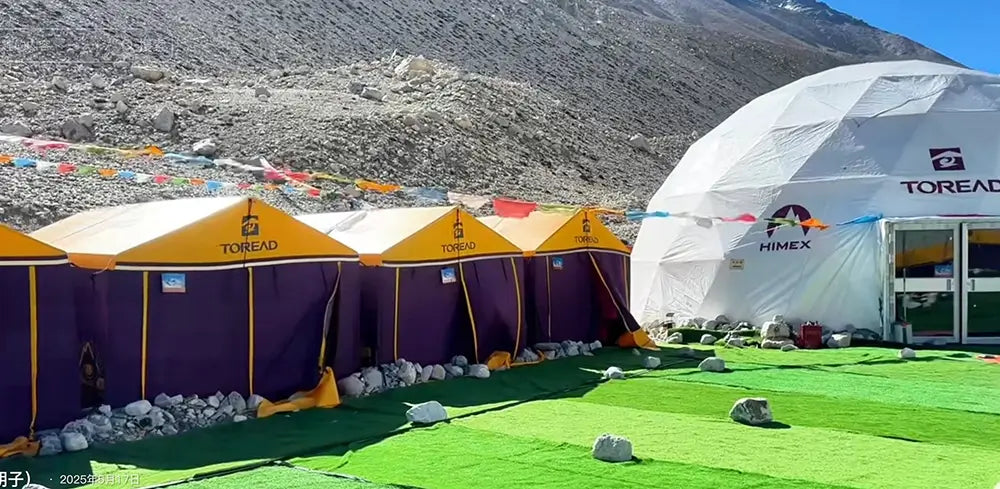
- Base Camp comfort
- Weather forecasting
- Communications
- Medical support
- High camp logistics
- Rescue planning
- Operator reputation
- Refund and cancellation terms
A low-cost expedition may still be legitimate, but it often comes with fewer services and less backup. A premium expedition may include more oxygen, stronger guide support, better communications and a more comfortable Base Camp setup.
Mount Everest Permit Fee
On the Nepal side, the Department of Tourism lists updated Everest royalty fees effective from 1 September 2025. For foreign climbers on the Everest normal route:
- Spring: USD 15000
- Autumn: USD 7500
- Winter or summer: USD 3750
Spring is the main Everest climbing season, so most commercial climbers face the USD 15000 permit fee.
This is only the government royalty. It does not include expedition services, Sherpa support, oxygen, equipment, insurance, travel, food or training. The climb is already expensive before the climbing even begins.
Everest Expedition Cost Breakdown
A full Everest expedition cost breakdown usually includes the following.
1. Permits and Administration
This includes the climbing permit, team paperwork, garbage deposits, liaison officer costs, park or regional fees and other administrative charges.
Alan Arnette’s 2026 cost analysis notes that, on the Nepal side, the permit is only one part of the official and administrative expense. Local company organisation, garbage deposits and liaison officer fees add more to the expedition system.
These costs may be shared across a team, but they still appear somewhere in the final price.
2. Expedition Company Services
This is a major part of the quoted expedition price. It covers planning, permits, staff, Base Camp, kitchens, transport, supplies, high camps and team management.
Budget teams keep this lean. Premium teams may add more personal support, better food, more comfortable Base Camp tents and stronger backup.
3. Sherpa and High Altitude Support
Modern commercial Everest climbing depends heavily on Sherpa and high-altitude workers. They carry supplies, establish high camps, move oxygen, support climbers on summit day and help manage risk.
Some climbers have personal Sherpa support. More support usually means higher cost, but often also a better safety margin.
4. Oxygen System
Everest oxygen cost is one of the most important parts of the budget. ExpedReview’s 2026 cost guide notes oxygen at about USD 650 per bottle, with most climbers using at least five bottles. That already puts bottles alone above USD 3000, before masks, regulators, backup oxygen and oxygen for support staff.
Oxygen is not a place to cut corners. Too little oxygen, poor equipment or weak backup capacity can affect both summit chances and descent safety.
5. Personal Gear
If starting from scratch, Everest gear cost can easily reach USD 8000 to USD 15000 or more.
Common equipment includes:
- High-altitude down suit
- 8000m boots
- Down mitts and spare gloves
- High-altitude sleeping bag
- Sleeping pads
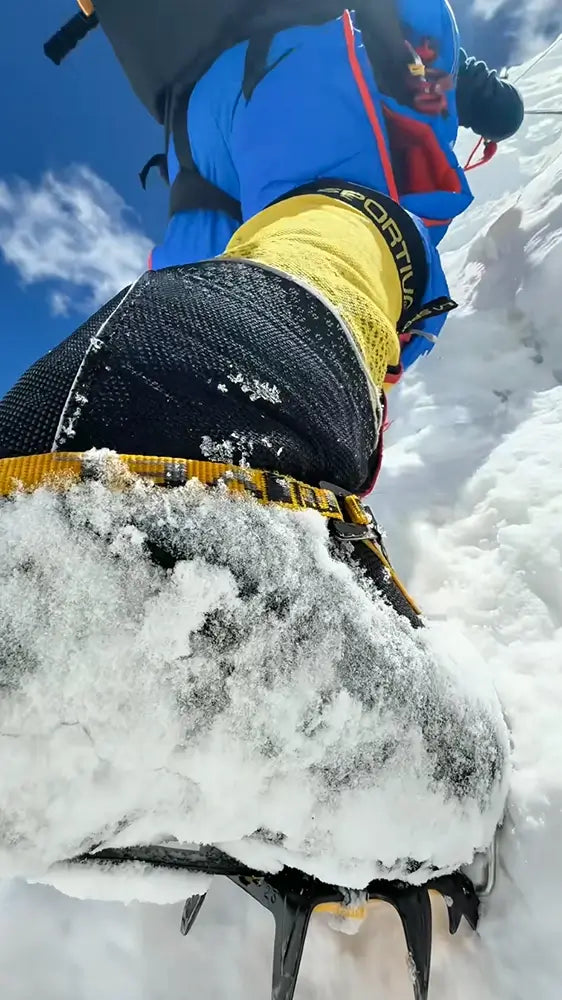
- Crampons
- Harness
- Helmet
- Ascender and descender
- Ice axe
- Goggles and glacier glasses
- Layering system
- Headlamp and batteries
- Duffel bags and dry bags
Ordinary trekking gear is not enough. Everest requires specialist cold weather and high-altitude equipment.
6. Insurance and Rescue
Everest climbers need serious insurance: high-altitude rescue, medical evacuation, accident cover and often repatriation cover. Nepal has also been tightening insurance and expedition management requirements.
Insurance may feel like something you only need if things go wrong. On Everest, it is part of the entry price. Many reputable operators will not accept a climber without suitable cover.
7. Travel and Approach Costs
Climbers also need to pay for international flights, accommodation in Kathmandu, domestic flights or helicopter transfers, approach logistics, porters, yaks, meals and extra nights caused by delay.
Everest trips often stretch longer than planned. Weather, flight delays and health issues can all add cost.
8. Training and Previous Climbs
Many climbers forget this part. A serious Everest attempt usually comes after years of training, courses and other high-altitude climbs.
Snow skills courses, 6000m peaks, 7000m peaks, 8000m experience and equipment testing all cost money. These expenses may be spread over years, but they are part of the real Everest budget.
Are Budget Everest Expeditions Safe
A budget Everest expedition is not automatically unsafe, but it should be examined very carefully.
Before joining a low-cost team, ask:
- Is the USD 15000 Nepal permit included
- How many oxygen bottles are included
- Are mask and regulator included
- Is personal Sherpa support included
- Are Sherpas properly insured
- Are high camp tents and food included
- Are route and rope fixing fees included
- Is weather forecasting included
- Is rescue support included
- What happens if the climb is cancelled
- What is the operator’s real track record
On Everest, cheap can mean efficient. But it can also mean stripped down. The difference matters.
What Can You Save Money On
You may be able to save money by:
- Avoiding luxury Base Camp services
- Not hiring a private Western guide
- Bringing some personal gear
- Choosing a reliable local operator
- Training well before the expedition
- Avoiding unnecessary add-ons
- Comparing what is actually included
Saving money is not wrong. Saving money blindly is.
What You Should Not Cut
Do not cut corners on:
- Legal permits
- Sufficient oxygen and backup oxygen
- Reliable mask and regulator
- Qualified Sherpa or high-altitude support
- Serious cold weather gear
- High-altitude insurance
- Weather forecasting and communications
- High camp food and fuel
- Rescue and retreat planning
These are not comfort extras. They are part of the safety margin.
How Ordinary Climbers Should Budget
A climber should not budget only for the expedition package. A more realistic total budget includes:
- Expedition fee
- International travel
- Personal gear
- Insurance
- Tips
- Visa and permit-related costs
- Training and previous climbs
- Emergency cash
- Delays
- Possible failure and future attempt costs
If the expedition fee is USD 50000, the final personal cost may easily approach USD 60000 to USD 80000. Premium teams cost more.
Everest is not a trip where scraping together the package price is enough. Climbers need a margin for the unexpected.
Final Thoughts
So, how much does it cost to climb Everest? In 2026, a legal commercial climb from Nepal commonly costs around USD 30000 to more than USD 100000, depending on service level. A sensible full budget often lands well above the advertised base price.
Everest is expensive not only because expedition companies charge money. Permits, oxygen, Sherpa support, high camps, gear, insurance, travel, training and rescue systems all push the cost upward.
If the goal is simply to find the cheapest way to climb Everest, it may be the wrong mountain. The better question is: which expenses buy safety, and which only buy comfort?
On Everest, the most dangerous way to save money is to remove the things that were meant to keep you alive.

Leave a comment
All comments are moderated before being published.
This site is protected by hCaptcha and the hCaptcha Privacy Policy and Terms of Service apply.