
Quick Answer
How hard is Everest summit day? Extremely hard, but not because of one single move. It is hard because everything happens at once: the Death Zone above 8000 metres, extreme cold, high wind, night climbing, oxygen management, fixed rope queues, exhaustion, slower thinking and the fact that climbers still have to descend after reaching the top.
From Camp 4 on the South Col to the summit, many climbers take around 8 to 12 hours, sometimes longer. Returning to Camp 4 can take another 4 to 8 hours or more. For some climbers, summit day becomes a 16 to 20 hour effort, and occasionally even longer.
Everest summit day is not just a final push. It is a long, cold test of whether a climber can keep making good decisions while the body is already running down.
Where Summit Day Begins
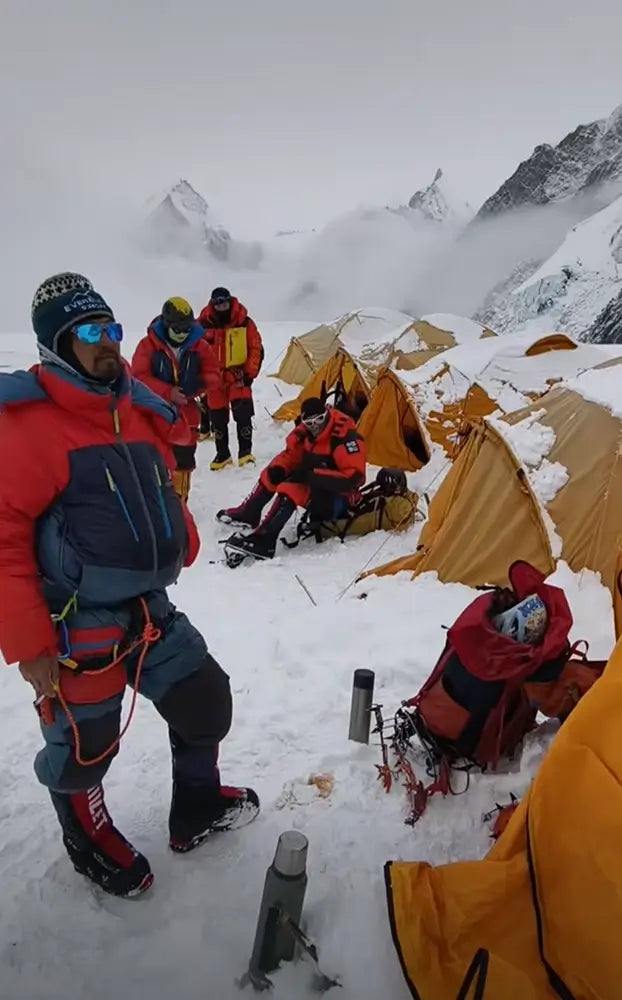
On the Nepal south side, summit day usually begins from Camp 4 on the South Col. The South Col is around 7900 to 8000 metres, right at the edge of the Death Zone. It is windy, cold and brutally thin in oxygen.
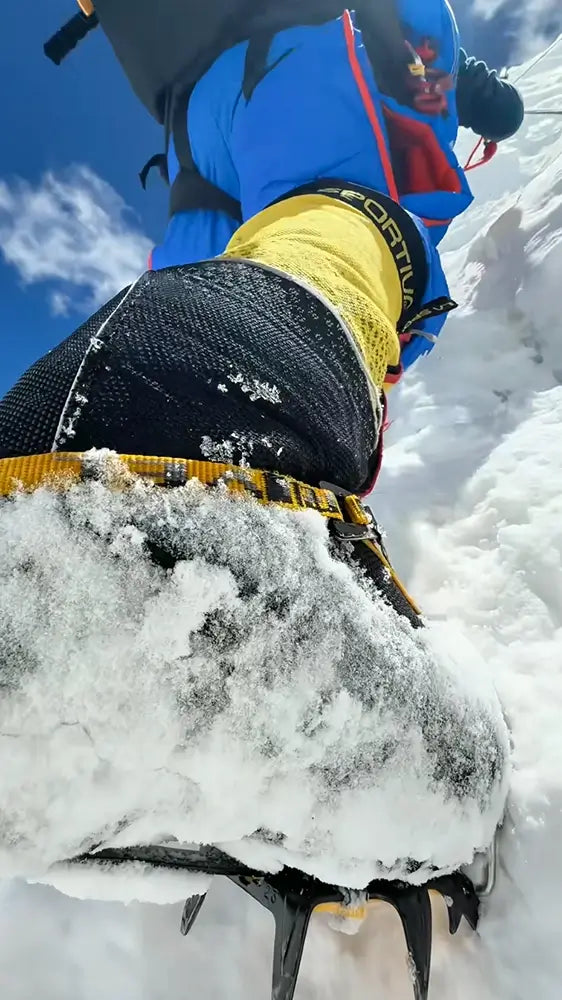
Climbers do not really recover at Camp 4. They rest briefly, hydrate, eat what they can, check oxygen bottles, masks, regulators, headlamps, gloves, down suits and crampons, then wait for the signal to leave.
Many teams depart between late evening and midnight. Leaving in darkness sounds miserable, but it is necessary. Climbers need enough time to reach the summit and descend while daylight and the weather window still hold.
Why Climbers Leave at Night
Everest is not a mountain where climbers can wait for a relaxed sunrise start. The round trip from Camp 4 to the summit and back can take a very long time. If a team starts too late, climbers may still be high on the mountain in the afternoon or evening.
That is dangerous. Weather can deteriorate, wind can rise, temperature can fall, oxygen can run low and tired climbers can make poor decisions.
This is why Everest turnaround time matters. Many expeditions set a strict time when climbers must turn back if they have not reached the summit or key points. It can feel brutal, especially if the summit looks close. But on Everest, returning alive matters more than a summit photo.
Key Stages on the South Col Summit Route
The Everest South Col summit route usually includes:
- Camp 4 on the South Col
- The Balcony
- South Summit
- Southeast Ridge
- Hillary Step area
- Everest summit
- Descent by the same route
Camp 4 to the Balcony
From the South Col, climbers head toward the Balcony, around 8400 metres. The Balcony is an important rest and oxygen change point.
This section is often climbed in the dark. Headlamps move slowly up the slope. Wind hits masks and down suits. Climbers stay clipped to fixed ropes and move one step at a time. A weak climber may already begin to fall behind here.
Balcony to South Summit
Above the Balcony, the route steepens and the altitude becomes more punishing. Climbers continue on fixed ropes toward the South Summit.
PBS describes the South Summit as a small dome of snow and ice where climbers can see the final obstacles ahead. By the time climbers reach it, many are already deeply tired, but the true summit is still ahead.
South Summit to the Top
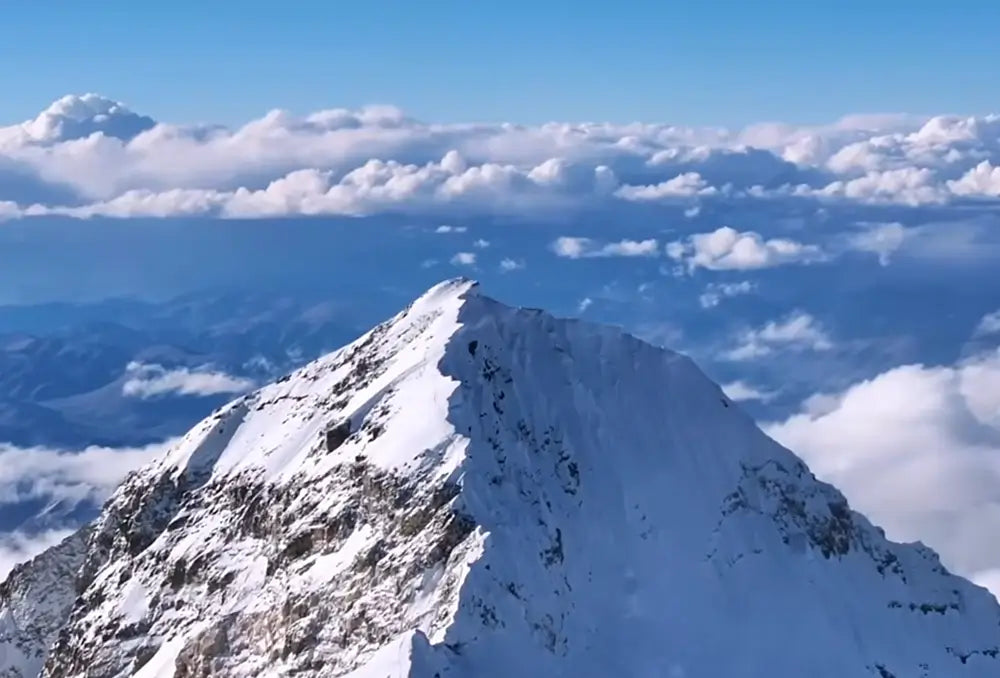
From the South Summit, climbers follow the exposed Southeast Ridge toward the summit. This section includes the Hillary Step area. The terrain changed after the 2015 earthquake, but the ridge remains serious, exposed and often congested.
If climbers encounter queues here, they may have to wait. Waiting at high altitude is not harmless. It burns oxygen, body heat and time.
On the summit itself, climbers usually stay only briefly. It is small, exposed and not a place to linger. After photos and a quick check, the harder half begins: descending.
The Death Zone Slows Everything Down
The central difficulty of summit day is that it takes place inside the Death Zone. Above 8000 metres, the body cannot properly recover. Even with supplemental oxygen, movement slows and thinking becomes less sharp.
At sea level, changing gloves, drinking water, adjusting crampons or checking a carabiner is simple. On Everest summit day, those tasks can feel clumsy and frustrating.
Common problems include:
- Numb fingers
- Iced masks
- Difficulty drinking
- Trouble eating
- Slow fixed rope transitions
- Poor judgement
- Irritability or mental fog
- Higher frostbite risk
Everest summit day is not only a fitness test. It is a test of not making mistakes when everything is harder than usual.
Oxygen Management
Most commercial climbers use bottled oxygen on summit day. Oxygen improves movement, warmth, awareness and the chance of reaching the summit.
But oxygen is limited. Climbers must manage flow rates, know when to change bottles, check regulators and watch for mask icing or leaks. Long queues can ruin an oxygen plan.
Oxygen problems often develop slowly: a bottle runs lower than expected, the climber slows, the weather changes, descent remains far away. By then, options are limited.
This is why Everest oxygen management is not a small technical detail. It is one of the lifelines of summit day.
Why Queues Are Dangerous
Queues on Everest are not just inconvenient. They can become dangerous.
In the Death Zone, waiting means:
- Longer exposure
- More oxygen use
- More frostbite risk
- Less margin before turnaround time
- Greater fatigue on descent
- Slower movement for everyone behind
- Lost weather window time
Sometimes the danger is not one difficult step. It is spending too long stuck in the wrong place at the wrong altitude.
Why Descent Is So Dangerous
Many people imagine the summit as the finish. Climbers know it is only halfway.
Descent is dangerous because:
- The summit push has already used huge energy
- Oxygen supplies may be lower
- Judgement may be impaired
- Downclimbing mistakes are easier
- Weather may worsen
- Darkness may return
- Queues may continue
- Rescue is extremely difficult
A Reddit discussion about Everest descent made a blunt but important point: many climbers die on the way down because they summit too late. Even if the summit is close, passing turnaround time should mean turning back.
That discipline is one of the hardest parts of Everest.
The Hardest Part Is Not Courage
People often imagine Everest summit day as a victory of willpower. Willpower matters, but the harder test is judgement.
The real questions are:
- Can you turn around close to the summit?
- Can you admit your oxygen plan has changed?
- Can you stop if a teammate is failing?
- Can you retreat when the weather worsens?
- Can you accept no summit after years of effort and huge cost?
Everest summit day is not a movie scene. It is a slow exam in the cold. The question is whether a climber can still make good decisions.
What Ordinary Readers Should Know
If you are trekking to Everest Base Camp, you do not experience summit day. The EBC trek is demanding, but it is nothing like climbing from Camp 4 through the Death Zone.
Understanding summit day helps explain why climbing Everest is not just “a few more days above Base Camp.” It is a complex high-altitude operation involving camps, oxygen, fixed ropes, weather windows and strict decision making.
Summit photos spread easily. What they do not show is the long night, frozen hands, noisy breathing, falling oxygen pressure and the moment when turning back becomes the only wise choice.
Final Thoughts
So, how hard is Everest summit day? It is hard because every pressure arrives at the same time.
From Camp 4, climbers move through the Death Zone past the Balcony, South Summit, Southeast Ridge and Hillary Step area to the summit, then descend by the same route. The whole process may take 16 to 20 hours or more. Oxygen, weather, queues, cold, wind, fatigue and turnaround time all matter.
The summit is not the end. On Everest, descent is often the true line between success and disaster.
If Everest summit day teaches one lesson, it is this: the highest mountain does not only test how far a person can go. It tests whether they still know when to turn around.

Leave a comment
All comments are moderated before being published.
This site is protected by hCaptcha and the hCaptcha Privacy Policy and Terms of Service apply.