
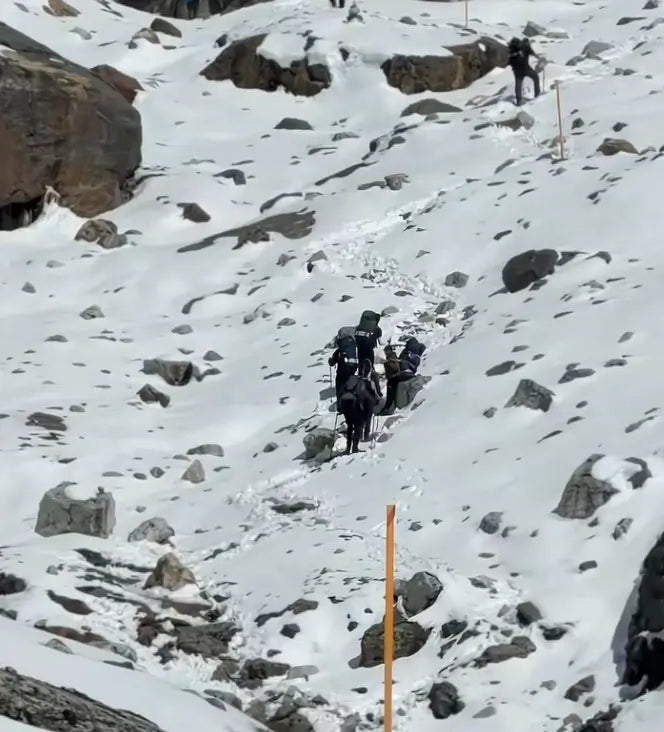
How hard is the Everest Base Camp Trek? It is one of the first questions most future trekkers ask.
The honest answer is this: it does not require technical climbing, but it is not easy. You do not need ropes, crampons, ladders or oxygen bottles. You do not enter the death zone. But you do walk for nearly two weeks at altitude, with climbs, descents, rough trails, cold teahouses, poor sleep and thin air above 5000 metres.
The best description is: a moderate to challenging high-altitude trek. It is achievable for prepared ordinary people, but not suitable for those who arrive untrained, rush the itinerary or underestimate altitude sickness.
Quick Answer
The Everest Base Camp Trek is difficult because of:
- Around 130 km round trip distance
- Daily walking of about 5 to 7 hours
- Kala Patthar at around 5545 metres
- Everest Base Camp at around 5364 metres
- Repeated uphill and downhill days
- Poorer sleep and appetite at altitude
- Basic and cold teahouse accommodation
- Real altitude sickness risk
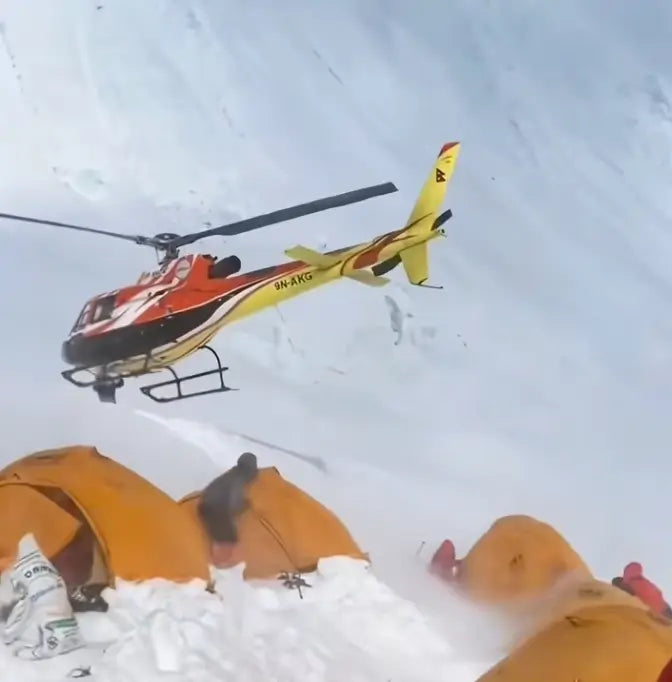
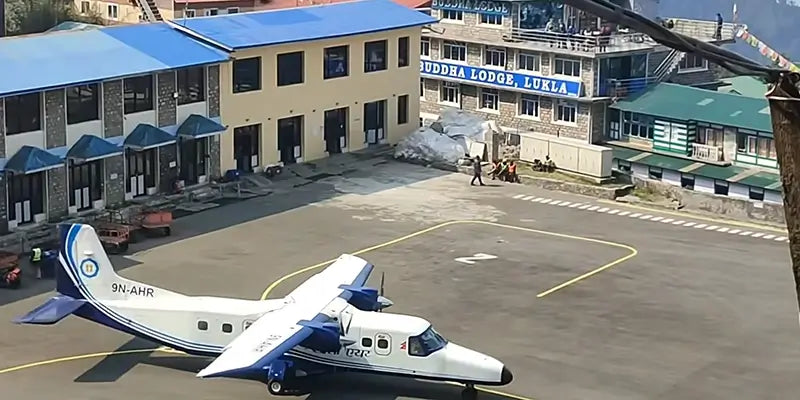
- Lukla flight and weather uncertainty
In simple terms, EBC is not technically hard. It is hard because of altitude and repetition.
It Is a Trek Not a Climb
The standard Everest Base Camp route is trekking, not mountaineering.
You do not need:
- Ice axe
- Crampons
- Rope skills
- Rock climbing ability
- Snow climbing experience
- Mountaineering boots
- Oxygen bottles
The route is mostly mountain trail, stone steps, dirt paths, suspension bridges, moraine and high-altitude rocky ground. In normal conditions on the standard teahouse route, ordinary trekkers do not need climbing skills.
But “not climbing” does not mean “easy”. Many people underestimate EBC because it sounds like a long hike. The real challenge is repeating that hike for many days while the air gets thinner.
How Many Hours Do You Walk Each Day
Most EBC itineraries involve about 5 to 7 hours of walking per day. Magical Nepal describes the trek as strenuous partly because trekkers walk around 6 to 7 hours daily, and not on flat ground. Nepal Hiking Team also notes that you do not need athlete-level fitness, but you do need the endurance to walk 5 to 7 hours on varied terrain over consecutive days.
Daily time varies. Lower days may feel easier. Higher days around Lobuche, Gorak Shep, Base Camp and Kala Patthar may be short in distance but slow because of altitude.
High-altitude trekking has a strange rule: short distance does not always mean easy. The final kilometres can feel harder than much longer low-altitude days.
Altitude Is the Main Challenge
If you look only at trail surface, EBC is not extremely hard. Add altitude, and everything changes.
Approximate route altitudes include:
- Lukla: about 2860 m
- Namche Bazaar: about 3440 m
- Dingboche: about 4410 m
- Lobuche: about 4910 m
- Gorak Shep: about 5160 m
- Everest Base Camp: about 5364 m
- Kala Patthar: about 5545 m
Many trekkers have never slept above 4000 metres, let alone walked above 5000 metres. Altitude can cause headache, poor sleep, loss of appetite, nausea, fatigue, faster heartbeat and slower movement. Being fit at sea level does not guarantee feeling good at 5000 metres.
This is why Namche and Dingboche acclimatisation days matter. They are not optional rest days. They are part of the safety system.
Can Ordinary People Complete It
Yes. Many ordinary people complete the Everest Base Camp Trek every year. They are not professional athletes or mountaineers. They are usually people who train, walk slowly, choose sensible itineraries and listen to their bodies.
For ordinary people, success usually depends on:
- Training 8 to 12 weeks or longer
- Choosing a 12 to 14 day itinerary
- Keeping acclimatisation days
- Hiring a reliable guide or team
- Wearing well-fitted boots
- Keeping pack weight reasonable
- Reporting altitude symptoms honestly
- Being willing to descend if needed
EBC is open to ordinary people, but it is not friendly to wishful thinking.
Who Finds EBC Especially Hard
Some people may struggle more than others.
People Who Rarely Exercise
If you rarely walk, climb stairs or hike, daily 5 to 7 hour trekking will feel hard. Legs, knees, feet and back all need preparation.
People Who Rush the Itinerary
Compressing EBC into 9 or 10 days increases fatigue and altitude risk. Not everyone adapts that quickly.
People Carrying Too Much
A 15 kg pack without load training can feel brutal at altitude.
People Who Sleep Poorly
Sleep gets worse higher up. If you rely heavily on perfect sleep, the trek can become mentally harder.
People With Knee Pain
The descent is long. Trekking poles, leg strength and good boots matter.
People Who Refuse to Slow Down
Strong low-altitude walkers sometimes keep their fast pace too high on the trail. That is a common mistake.
Is Age a Problem
Age alone is not the deciding factor. The EBC route sees young backpackers, older hikers and people in their sixties or beyond. Health, fitness, heart and lung condition, knees, ankles and pacing matter more.
Older trekkers should:
- Get a medical check
- Assess heart, blood pressure and lung health
- Choose a slower itinerary
- Hire a guide and porter
- Keep pack weight low
- Buy proper insurance
- Avoid racing younger trekkers
Many older trekkers walk slowly but steadily. Steady is more valuable than fast on EBC.
Which Days Are the Hardest
Different trekkers struggle on different days, but several are often challenging.
Phakding to Namche
The first big climb, with a long final ascent to Namche.
Namche to Tengboche
A day of descent and ascent that can feel longer than expected.
Dingboche to Lobuche
Altitude approaches 5000 metres, the landscape becomes harsher and the body starts working harder.
Lobuche to Gorak Shep and Base Camp
This is Base Camp day: high altitude, rough moraine and a long out-and-back.
Kala Patthar Sunrise
Very cold, very high and usually before dawn. Not technical, but tiring.
Descent to Namche
Mentally easier, but long downhill sections stress knees and toes.
Reaching Base Camp is not the end. The descent still deserves care.
Altitude Sickness Is Less Predictable Than Fitness
Fitness can be trained. Altitude response cannot be fully predicted. You may be strong and still get symptoms. You may be slower and adapt well. EBC Trek Guide notes that some people may feel altitude symptoms around 3000 metres, and some even lower.
This is why EBC is uncertain. It is not “I am fit, so I am safe.” A better attitude is: train well, then respect the altitude.
Common altitude symptoms include:
- Headache
- Nausea
- Loss of appetite
- Poor sleep
- Dizziness
- Unusual fatigue
- Slower walking
If symptoms worsen, do not continue upward. Severe symptoms require descent. A smart trekker does not suffer silently to protect a schedule.
Teahouse Conditions Add Difficulty
EBC difficulty is not only on the trail. It continues in the evening.
Higher teahouse rooms are cold. Toilets can be basic. Hot showers cost extra. WiFi is slow. Food becomes repetitive. Sleep is often poor. Alpine Ramble’s recent difficulty guide also lists basic teahouse conditions, cold weather and recovery challenges as part of EBC difficulty.
If you expect hotel comfort, EBC will be a shock. But with the right expectations, it is manageable. Bring a warm sleeping bag, earplugs, layers, a headlamp and patience.
How to Make the Trek Easier
You cannot remove EBC difficulty, but you can manage it.
Choose Around 14 Days
Do not chase the shortest itinerary. One extra acclimatisation day can save the trek.
Hire a Guide and Porter
A guide helps manage pace and altitude risk. A porter reduces physical load.
Train Before Departure
Eight to twelve weeks of walking, hills, descents and leg strength makes a big difference.
Walk Slowly
“Bistari, bistari” is the most useful EBC advice. Slowly, slowly.
Bring Suitable Gear
Boots, sleeping bag, down jacket, gloves, trekking poles and sun protection all affect comfort.
Report Symptoms Honestly
Do not hide headache, nausea, cough, chest tightness or poor coordination.
Keep Buffer Days
Lukla flights can be delayed. A tight schedule adds stress.
Why Trekkers Fail to Reach EBC
Many failures come from preparation and judgement rather than the route itself.
Common reasons include:
- Severe altitude sickness
- Rushed itinerary
- Poor training
- Blisters
- Stomach illness
- Cold or cough
- Pack too heavy
- Knee pain
- Weather or flight delays
- Refusal to descend early
Many of these risks can be reduced with training, gear, insurance, guide support, sensible pacing and a realistic itinerary.
How to Know If You Are Ready
Ask yourself:
- Can I walk 5 or more hours for several days?
- Can I carry a 5 kg daypack on rough trail?
- Can I accept basic rooms and shared toilets?
- Am I willing to walk slowly?
- Would I descend if altitude symptoms became serious?
- Do I have 12 to 14 days or more?
- Am I willing to train beforehand?
- Can I buy proper insurance?
If most answers are yes, EBC is a realistic goal. If you want no training, a rushed schedule and no possibility of turning back, it becomes risky.
Conclusion
So, how hard is the Everest Base Camp Trek? It is not technically difficult, but it is a serious high-altitude trek. It is hard because you walk for many days, sleep high, eat less, climb above 5000 metres, descend on tired legs and must accept that your body may not follow your plan.
For prepared ordinary people, EBC is achievable. For people who underestimate altitude, skip training or rush the itinerary, it can quickly become difficult.
The best approach is neither fear nor arrogance. Treat EBC as a serious trek: train, walk slowly, acclimatise, stay warm, eat, sleep and listen to your body. Then Base Camp becomes more than a place to tick off. It becomes a journey you earned properly.

Leave a comment
All comments are moderated before being published.
This site is protected by hCaptcha and the hCaptcha Privacy Policy and Terms of Service apply.