
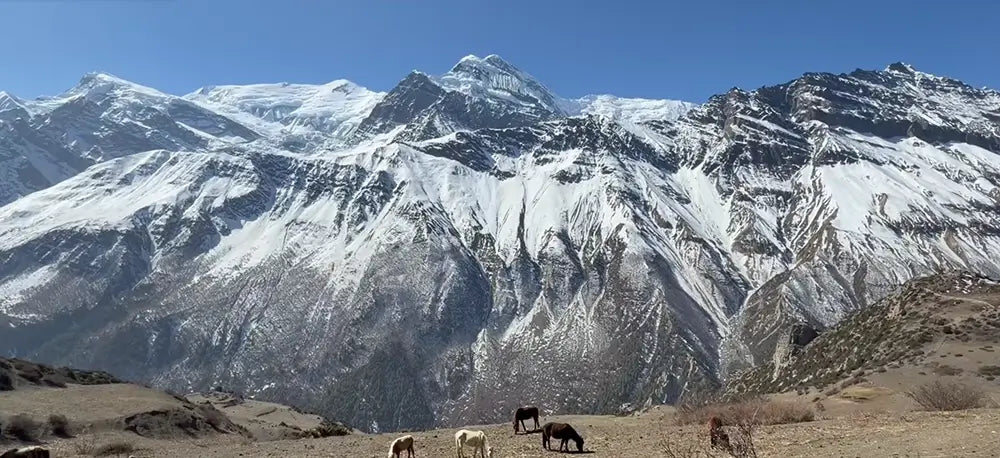
When people plan their first trek in Nepal, two routes often compete for attention: Everest Base Camp and Annapurna Base Camp.
Everest Base Camp has the stronger name. It takes you toward the foot of the highest mountain on Earth and carries the weight of Everest history. Annapurna Base Camp is lower, shorter and often more forgiving, but it leads into one of Nepal’s most beautiful mountain amphitheatres.
Both are classics. They are not the same experience. EBC feels more like a high-altitude expedition trek, with a strong goal and a harder edge. ABC feels more varied and gentle in atmosphere, moving through villages, forests, stone steps, river valleys and finally into the Annapurna Sanctuary.
Quick Answer
Choose Everest Base Camp if you want the most iconic Nepal trekking goal.
Choose Annapurna Base Camp if this is your first high-altitude trek, you have less time, or you want a lower and more moderate route.
Simple comparison:
- Iconic value: EBC is stronger
- Difficulty and altitude: EBC is higher and harder
- Time required: ABC is shorter
- Altitude sickness risk: EBC is higher
- Transport reliability: ABC is usually easier
- Scenery variety: ABC is more varied and greener
- Snow mountain amphitheatre: ABC is excellent
- Everest culture and history: EBC is stronger
If Everest is your dream, choose EBC. If you want a first Nepal trek that is still spectacular but less demanding, ABC is a wiser entry point.
Altitude Difference
EBC’s common high point is Kala Patthar, around 5545 metres. Everest Base Camp itself is around 5364 metres. ABC’s highest point is Annapurna Base Camp at around 4130 metres.
That difference matters. The jump from 4000 metres to 5500 metres is not small. Above 5000 metres, sleep, appetite, breathing and recovery are all affected much more strongly.
Himalayan Glacier’s altitude comparison lists Annapurna Base Camp Trek at 4130 metres and moderate difficulty, while Everest Base Camp Trek reaches around 5554 metres and is more demanding. That matches the experience of many trekkers.
If you are worried about altitude sickness or have no altitude experience, ABC creates less altitude pressure. But ABC is not altitude-free. Once above 3000 metres, you still need to pace yourself and watch symptoms.
Difficulty Comparison
EBC is usually harder than ABC. Not because the trail surface is dramatically more technical, but because it is higher, longer and harder to recover from.
EBC challenges include:
- Altitude above 5500 metres
- Usually 12 to 14 days
- More time spent high
- Colder high teahouses
- Lukla flight uncertainty
- Greater cumulative fatigue
- More serious altitude management
ABC challenges include:
- Many stone steps
- Repeated climbs and descents
- Slippery trails after rain
- Some steep sections
- Altitude above 4000 metres
- Knee and leg endurance demands
Green Valley Nepal Treks notes that ABC often involves 5 to 7 hours of walking per day for 7 to 12 days, covering around 110 km round trip. Alpine Nepal Trekking rates ABC as moderate, with a highest altitude of 4130 metres and daily walking around 5 to 7 hours.
ABC is not easy, but overall it is more beginner-friendly than EBC.
Time Required
EBC usually needs around 12 to 14 days, and some itineraries use 15 or 16 days for better acclimatisation and flight buffer. ABC often takes around 7 to 12 days and is easier to arrange from Pokhara.
If you have only 8 to 10 days, ABC is more realistic. Trying to compress EBC too much increases altitude and flight stress.
A simple guide:
- 8 to 10 days: choose ABC
- 12 to 14 days: either route is possible
- 14 days plus: EBC becomes more comfortable, or ABC with Poon Hill is possible
- Very tight schedule: do not force EBC
EBC dislikes rushed schedules. ABC gives you more flexibility.
Transport and Reliability
EBC usually requires a flight to Lukla, either from Kathmandu or Ramechhap. Lukla flights are highly weather dependent and delays are common. For tight schedules, this is one of EBC’s biggest uncertainties.
ABC usually starts from the Pokhara region, with road access to trailheads. Bad weather can still affect travel, but the overall transport system is usually more flexible than relying on Lukla flights.
If you are nervous about flight delays or have a tight international departure, ABC is the calmer choice.
Scenery Difference
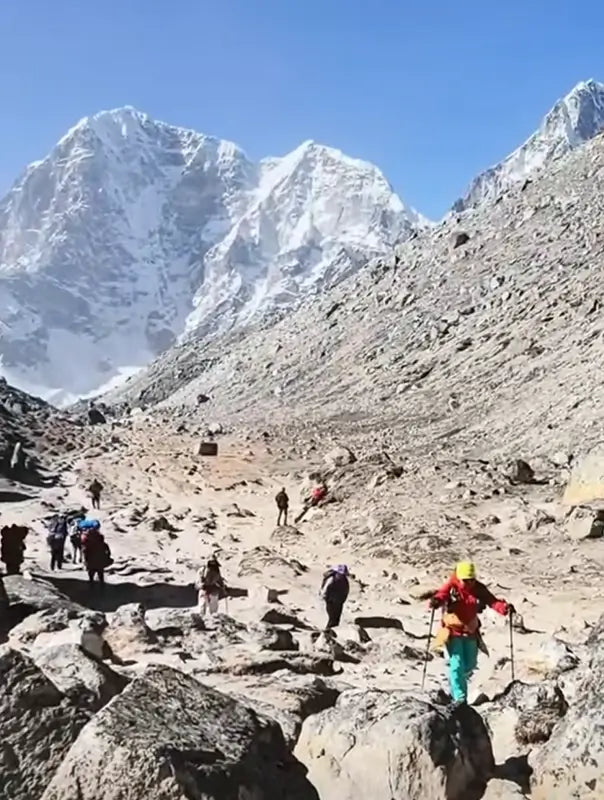
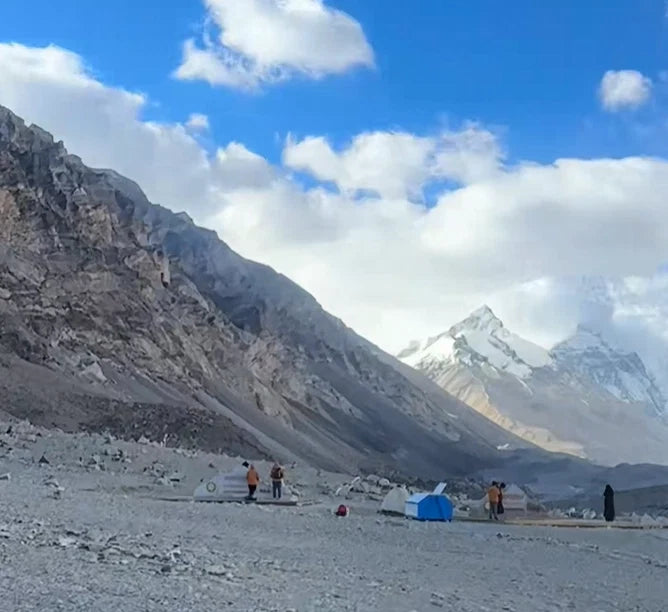
EBC scenery is higher, drier, more open and more expedition-like. You see Ama Dablam, Lhotse, Nuptse, Pumori and Everest from Kala Patthar. Sherpa villages, Tengboche Monastery and Everest Base Camp itself give the route strong cultural and historical weight.
ABC scenery changes more gradually and more dramatically. You pass terraces, villages, bamboo forests, rhododendron, river valleys, hot springs and then enter the Annapurna Sanctuary. At Base Camp, peaks such as Annapurna I, Machhapuchhre and Hiunchuli rise around you.
Simple version:
- EBC: high, open, epic, Everest-focused
- ABC: green, varied, village-rich, enclosed by snow peaks
- EBC feels more like an expedition
- ABC feels more like a complete mountain journey
If you love stark high-altitude landscapes and Everest stories, EBC may move you more. If you enjoy varied terrain and a big mountain amphitheatre, ABC is beautiful.
Crowds and Atmosphere
Both routes are popular in peak seasons, but the atmosphere differs.
EBC has greater global fame and a more developed commercial trekking system. In spring and autumn, you meet trekkers, climbers, porters, yak trains and expedition traffic. It can feel exciting, but also crowded.
ABC is also popular, but usually has less of the “world pilgrimage” feeling. There are more villages and greener sections, and the mood can feel softer.
If you dislike crowds, consider shoulder seasons for either route. But in peak season, ABC often feels less intense than EBC.
Cost Difference
ABC is usually cheaper than EBC.
Reasons include:
- Shorter duration
- Lower transport cost
- No Lukla flight
- Lower logistical cost
- Easier itinerary adjustments
The Lukla return flight alone adds a significant cost to EBC, plus baggage limits, delays and possible extra nights. ABC from Pokhara is easier to budget.
If money is tight, ABC offers excellent value. EBC costs more, but gives you the unique Everest region experience.
Altitude Sickness Risk
EBC has higher altitude sickness risk because it goes higher. Namche, Dingboche, Lobuche and Gorak Shep all require care. Many trekkers feel the altitude above 5000 metres.
ABC tops out at 4130 metres, so risk is lower, but not zero. Destination Himalaya Treks notes that areas above 3000 metres still require attention to acute mountain sickness, and ABC still needs gradual ascent.
For both routes:
- Walk slowly
- Do not rush the itinerary
- Report symptoms honestly
- Buy proper insurance
- Descend if symptoms worsen
If you have had severe altitude problems before, ABC or a lower trek may be a better first Nepal choice.
Which Is Better for a First Nepal Trek
It depends on your goal.
If Everest Is the Dream
Choose EBC, provided you have around two weeks, train properly and accept altitude and flight uncertainty.
If You Are New to Nepal and Altitude
Choose ABC. It is lower, more flexible, easier to reach and still spectacular.
If You Want a Progression
Do ABC first, then EBC later. That is a very sensible order. ABC teaches teahouse trekking, pacing, gear systems and basic altitude response. EBC will feel more manageable afterward.
Which Is Better for Photography
Both are excellent, but different.
EBC highlights:
- Ama Dablam
- Tengboche
- Khumbu Valley
- Kala Patthar sunrise
- Everest, Nuptse and Lhotse
- Everest Base Camp atmosphere
ABC highlights:
- Terraces and villages
- Forest and rhododendron
- Machhapuchhre
- Annapurna Sanctuary
- Snow peaks around Base Camp
- Greener lower landscapes
For classic Everest images, choose EBC. For varied mountain landscapes, ABC is outstanding.
Gear Difference
EBC gear should be warmer and more altitude-focused. Sleeping bag, down jacket, gloves, hat and windproof layers matter more at Gorak Shep and Kala Patthar.
ABC also needs warm and waterproof gear, but the lower sections can be wetter and warmer. Rain protection, quick-drying clothing and good grip on stone steps matter.
Both need:
- Broken-in hiking boots
- Trekking poles
- Layered clothing
- Rain shell
- Warm jacket
- Sleeping bag
- Sunglasses
- Sunscreen
- Headlamp
- Personal medicine
- Insurance
EBC emphasises cold and altitude. ABC emphasises moisture, steps and knee protection.
Who Should Choose EBC
Choose EBC if:
- Everest has always been your dream
- You have at least 12 to 14 days
- You accept altitude above 5000 metres
- You are willing to train
- You can handle Lukla flight uncertainty
- Your budget allows more
- You like expedition atmosphere
- You accept peak-season crowds
Who Should Choose ABC
Choose ABC if:
- It is your first Nepal trek
- You have 7 to 10 days
- You are worried about altitude
- Your budget is tighter
- You want to avoid Lukla flights
- You like forests, villages and snow peaks together
- You want moderate difficulty with real achievement
- You want to try teahouse trekking first
Conclusion
Everest Base Camp vs Annapurna Base Camp: which should you choose? If Everest is the heart of your dream, EBC is worth the extra time, cost and altitude. It is higher, harder and more symbolic. If you want a friendlier, shorter and more flexible trek that is still spectacular, ABC is a very smart choice.
EBC feels like a journey toward the world’s highest mountain. ABC feels like walking into a natural theatre of snow peaks. Neither is automatically better. The right choice depends on your time, body, budget and expectations.
For a first Nepal trek, you do not have to begin with Everest. Starting with the route that fits you best is often the wiser adventure.

Leave a comment
All comments are moderated before being published.
This site is protected by hCaptcha and the hCaptcha Privacy Policy and Terms of Service apply.