
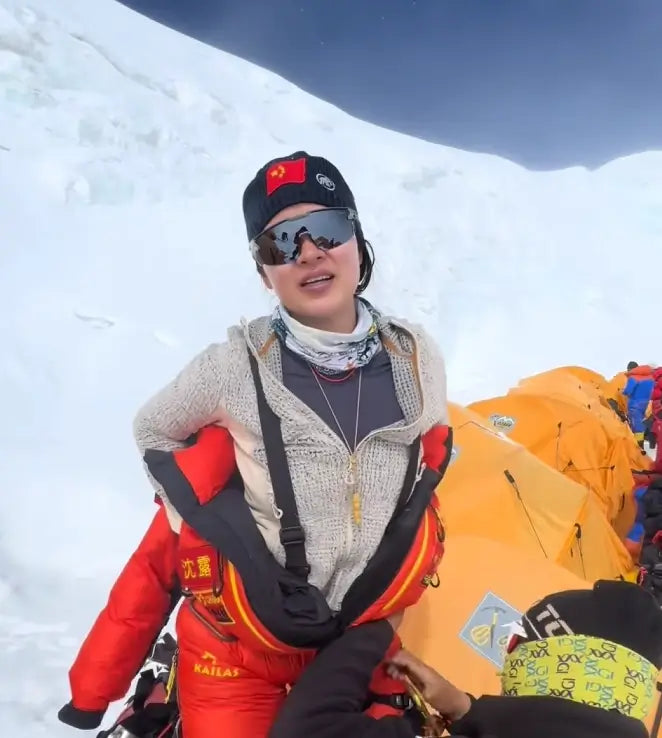
For many women planning the Everest Base Camp trek, the first question is not always “Am I fit enough?” It is often, “Is it safe for me to go?”
That is a fair question. The Everest Base Camp route is one of the most established trekking trails in Nepal, and thousands of women walk it every year. Some join guided groups, some travel with friends, and some go solo. But safe travel in the Himalayas is never about luck alone. It comes from preparation, good decisions and knowing when to slow down.
This guide is written for women who want a clear, practical view of EBC trek safety, without drama and without pretending the mountains are easier than they are.
Is Everest Base Camp Safe for Women?
In general, the Everest Base Camp trail is considered one of Nepal’s more accessible high-altitude treks. The route from Lukla to Namche Bazaar, Tengboche, Dingboche, Lobuche and Gorak Shep has teahouses, guides, porters, shops and a regular flow of trekkers.
That said, “popular” does not mean risk-free. Women should think about three main areas: altitude, personal safety and support.
Altitude Is the Main Risk
The biggest safety issue on the Everest Base Camp trek is usually not crime. It is altitude sickness. Headaches, nausea, poor sleep, loss of appetite and dizziness can affect anyone, regardless of gender or fitness.
A strong hiker can still suffer if the itinerary is too fast. A slower walker can do very well with enough acclimatisation. On this trek, patience is a safety tool.
Solo Trekking Is Possible, but Support Helps
Experienced women do complete the EBC trek alone. However, for a first high-altitude trek in Nepal, hiring a licensed guide or joining a small group can make the journey much easier.
A good guide does more than show the trail. They help with teahouses, route changes, weather issues, altitude symptoms and communication with local people. For solo female trekking in Nepal, that extra layer of support can be valuable.
Avoid Walking Alone After Dark
The main trail is usually busy during the day, especially in spring and autumn. But early mornings, late afternoons, foggy weather and off-season periods can feel quiet. Women do not need to be fearful, but walking after dark alone is not worth the risk.
Plan your day so you arrive at the next village with daylight left.
Before You Go: Safety Preparation
Choose a Sensible Itinerary
A rushed Everest Base Camp itinerary increases the chance of altitude problems. Most walkers do better with a 12 to 14 day Lukla-to-Lukla schedule, including acclimatisation stops in Namche Bazaar and Dingboche.
If your fitness is average, do not choose the fastest itinerary just to save a day or two. The mountain will not care how tight your holiday calendar is.
Buy Insurance That Covers High Altitude
Standard travel insurance may not cover trekking above 5,000 metres or helicopter evacuation. Before you leave, check the policy wording carefully. Look for coverage for high-altitude trekking, emergency rescue, medical treatment and evacuation from the Everest region.
This is one of the least exciting parts of planning, but one of the most important.
Keep Key Details Offline
Phone signal and WiFi can be unreliable in the mountains. Save important details on your phone and carry a paper copy too.
Useful information includes:
- Passport details
- Nepal visa information
- Insurance policy number
- Emergency contact numbers
- Guide or agency contact
- Medical notes or allergies
- Basic itinerary
A paper backup feels old-fashioned until your phone battery dies in a cold room at 4,900 metres.
Teahouse Safety for Women
Most trekkers stay in teahouses along the EBC route. Conditions vary. Namche may feel comfortable, while higher villages are much simpler.
Choose Busy, Well-Run Teahouses
A teahouse with other trekkers around usually feels safer and better organised. If you are travelling alone, ask your guide for recommendations or choose places where other hikers are staying.
Check the Door Lock
Rooms in mountain teahouses are basic. Some have simple latches or small padlocks. Bring a lightweight lock for your duffel bag and check whether your room door closes properly.
Be Careful at Night
Toilets may be outside the room, and paths can be icy. Keep a headtorch, warm layer and shoes within reach. If you need to go out at night, move slowly and let someone know if you feel unwell.
Health and Hygiene Tips for Women
Managing Your Period on the EBC Trek
Many women worry about getting their period on the trail. It is manageable with planning.
Bring enough sanitary products, sealable bags, wet wipes and hand sanitiser. Waste disposal is difficult in the mountains, so pack out what cannot be properly disposed of. If you usually have painful periods, speak with a doctor before the trip and prepare suitable medication.
Stay Warm, Especially at Night
Cold affects sleep, recovery and morale. Women who tend to get cold hands and feet should pay extra attention to layering.
Useful items include:
- Warm hat
- Gloves and liner gloves
- Wool socks
- Down jacket
- Sleeping bag liner
- Hot water bottle or heat packs
A warm night can change the whole mood of the next day.
Eat Even When Appetite Drops
Altitude often reduces appetite. Some trekkers, especially those trying to keep things light, eat too little and then struggle the following day.
Simple foods such as soup, rice, potatoes, eggs, porridge, noodles and energy bars are useful. The goal is not gourmet dining. The goal is enough fuel to keep moving steadily.
Everest Base Camp Packing Tips for Women
Choose Footwear Carefully
Good boots or trail shoes matter more than almost anything else. Do not start the trek in brand-new footwear. Blisters can turn a beautiful trail into a very long complaint.
Keep Your Daypack Practical
If you use a porter, a 25L to 35L daypack is usually enough. Carry water, waterproofs, warm layers, snacks, sunscreen, passport, money, medicine and personal items.
There is no prize for carrying too much. On the EBC trail, lighter often means safer.
Do Not Underestimate Sun Protection
At altitude, UV exposure is strong. Bring sunscreen, sunglasses, lip balm and a cap or sun hat. Sunburn and cracked lips are common on the route and can make several days unpleasant.
Communication and Check-Ins
WiFi and mobile signal exist in parts of the Everest region, but they are not always reliable. If you are trekking alone, agree on a simple check-in plan with family or friends.
For example:
- Send your location when possible
- Explain that no message for 24 hours may simply mean no signal
- Share your guide or agency contact
- Tell someone if your route changes
- Keep insurance details accessible
This helps people at home stay calm and gives you a practical safety net.
Boundaries With Guides and Porters
Most Nepali guides and porters are professional, kind and hardworking. Still, clear boundaries matter anywhere in the world.
Women should feel comfortable saying no to unwanted jokes, personal questions, drinking situations or physical contact. Choose a reputable company or a guide with recent reviews. Confirm costs, services and tipping expectations before the trek begins.
If something feels wrong, take it seriously. Change rooms, speak to the agency, stay close to other trekkers or adjust the arrangement.
Cultural Awareness
The Khumbu region has its own traditions, religious sites and village life. Dressing modestly in villages and monasteries, asking before taking photos and respecting local customs can make the journey smoother.
Cultural respect is not just politeness. It often makes travel feel calmer and more connected.
Should Women Join a Group Trek?
For first-time trekkers, a small group can be a very good choice. It offers structure, company and built-in support. The downside is less flexibility, especially if the group pace does not match yours.
A private guide gives more freedom. A group gives more social comfort. Going solo gives independence, but requires stronger planning.
There is no perfect style. There is only the style that fits your confidence, budget and experience.
The Most Important Rule: Do Not Push Through Serious Symptoms
Many problems on the Everest Base Camp trek become worse because people ignore them. A headache that grows stronger, vomiting, confusion, breathlessness at rest or poor coordination should never be treated as normal tiredness.
Tell your guide. Rest. Descend if needed. Reaching base camp is not worth gambling with your health.
Final Thoughts
The Everest Base Camp trek can be a safe and deeply rewarding journey for women. It is not easy, and it should not be treated like an ordinary walking holiday, but it is absolutely within reach for well-prepared female trekkers.
Choose a sensible itinerary, protect your health, set clear boundaries, stay connected and listen to your body. Many women come back from EBC saying the hardest part was not one particular climb, but learning to stay calm, patient and honest with themselves day after day.
That is also what makes the trek memorable. The view of Everest matters, of course. But so does the quiet confidence you carry home.

Leave a comment
All comments are moderated before being published.
This site is protected by hCaptcha and the hCaptcha Privacy Policy and Terms of Service apply.