
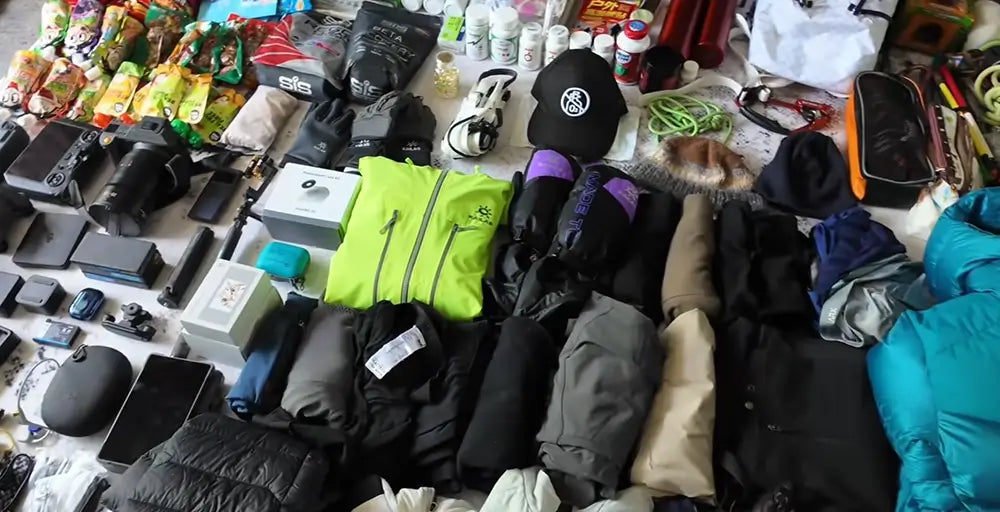
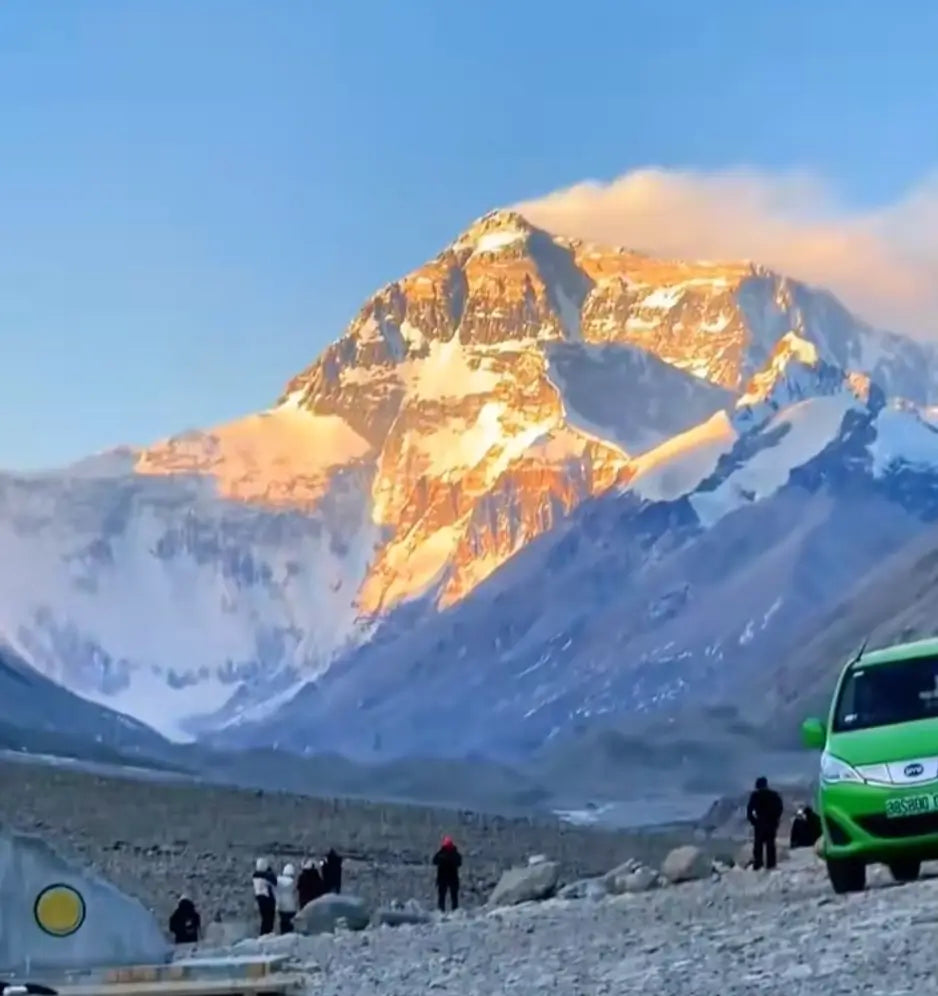
The Everest Base Camp Trek does not require ice axes, crampons or oxygen bottles. But that does not mean you can pack casually. The route reaches Everest Base Camp at around 5364 metres, and many trekkers climb Kala Patthar at around 5545 metres for sunrise. That is high enough to be cold, dry, windy and unforgiving.
A good Everest Base Camp packing list is not about taking every outdoor item you own. It is about knowing what you will use daily, what protects you when conditions turn cold, and what simply adds weight. Experienced trekkers often say the same thing in different words: pack light, but do not compromise on warmth, footwear, sun protection, sleep and altitude preparation.
Quick Answer
Core Everest Base Camp Trek gear includes:
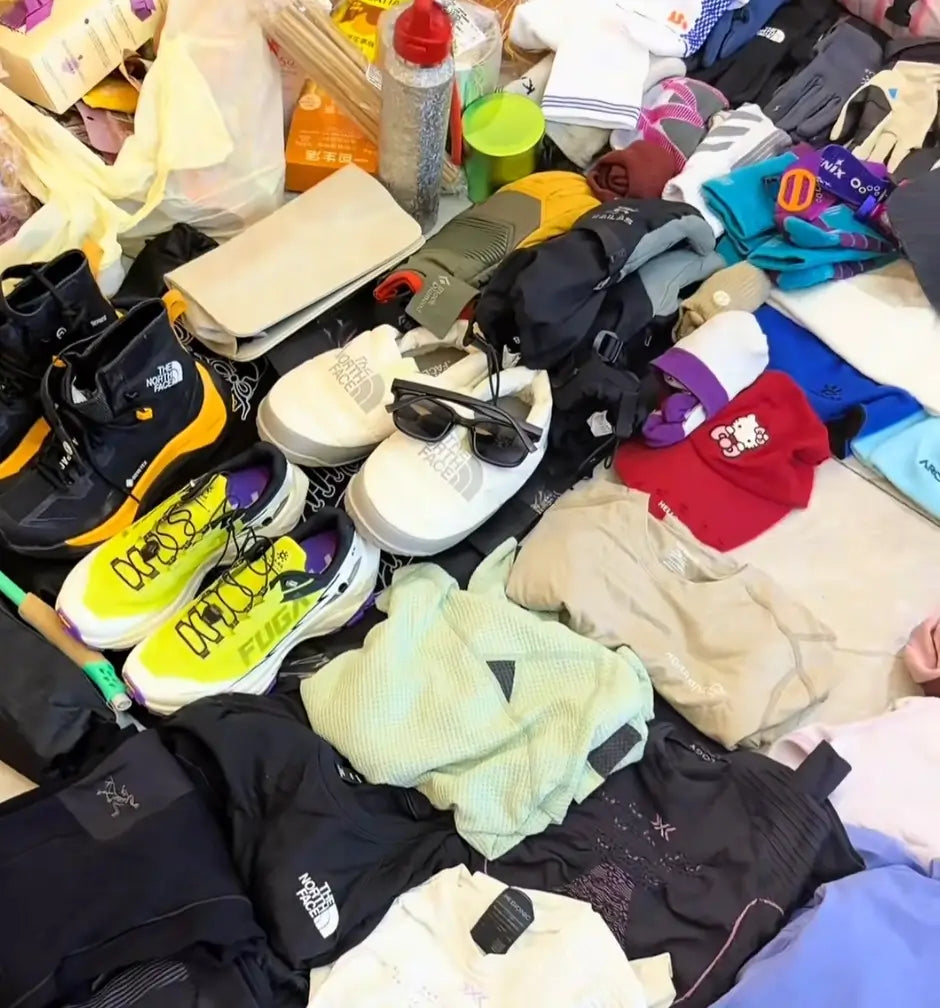
- Broken-in waterproof hiking boots
- 25 to 35 litre daypack
- Large duffel or kit bag
- Warm sleeping bag
- Layered clothing system
- Down jacket or warm insulated jacket
- Windproof and waterproof shell
- Gloves, hats, neck gaiter and warm socks
- Sunglasses, sunscreen and lip balm
- Trekking poles, headlamp, water bottles and personal medicine
REI’s EBC gear advice notes that trekkers usually carry daily essentials in a 25 to 35 litre daypack, while most clothing and equipment travels in a larger duffel carried by a porter or yak. That is a good model for most EBC trekkers.
Backpack and Duffel
Most EBC trekkers use two bags.
Daypack
Your daypack carries the items you need between tea houses: water, snacks, camera, passport, cash, sunscreen, sunglasses, rain shell, warm layer, gloves, hat, headlamp, medicine and tissues. A 25 to 35 litre pack is usually enough. If you carry all your own gear, you will need more capacity, but that is not ideal for most first-time EBC trekkers.
Choose a pack with a waist belt, chest strap and rain cover. At altitude, small shoulder and back discomfort can become much more irritating.
Duffel Bag
Your duffel is carried by a porter, yak or support system. It should be strong, weather-resistant and easy to open. Many teams limit porter weight, so do not pack every “maybe useful” item. Confirm the allowed weight before departure.
Hiking Boots Are the First Priority
Intrepid Travel’s EBC packing guide stresses that boots should be well broken in, because sore feet can ruin a trip as badly as altitude sickness. That is good advice.
You do not need 8000 metre mountaineering boots for EBC, but you do need boots that are:
- Already tested on long walks
- Waterproof or at least weather-resistant
- Grippy on rough trail
- Supportive enough for your ankles
- Comfortable on descents
- Comfortable with thicker socks
Do not start the trek in brand-new boots. And do not copy locals who move quickly in light shoes. They grew up on those trails. Your feet probably did not.
Bring 3 to 4 pairs of trekking socks, including at least 1 or 2 warm pairs. Socks matter more than many people expect.
Layering Matters More Than One Thick Jacket
Temperatures change a lot on the EBC route. In the sun, you may sweat while walking. In shade or wind, you may cool quickly. Early mornings, evenings, Lobuche, Gorak Shep and Kala Patthar sunrise can be very cold.
A useful layering system includes:
Base Layer
Choose synthetic or merino wool. Avoid cotton next to skin. Cotton stays wet and becomes miserable in cold high-altitude wind.
Mid Layer
Fleece, light down or synthetic insulation works well. This layer handles everyday warmth and can be adjusted easily.
Shell Layer
A windproof and waterproof jacket is important. Spring and autumn may not be rainy every day, but wind is common, and snow or light rain can happen. The shell is as much about blocking wind as rain.
Warm Insulation Layer
A down jacket or thick insulated jacket is essential. Ian Taylor Trekking recommends a larger insulated down jacket, thermal base layers and warmer gloves than many people first expect. At high tea houses, dawn viewpoints and tired evenings, you will be glad you packed it.
What Trousers to Bring
A sensible trouser system includes:
- 1 to 2 pairs of trekking trousers
- 1 thermal base layer bottom
- 1 windproof or waterproof outer trouser
- Optional light shorts for warm lower days
You may not need extremely heavy trousers in the main trekking seasons, but wind protection matters. For a cold Kala Patthar morning, warm legs make a real difference.
How Warm Should the Sleeping Bag Be
Tea houses provide beds and sometimes blankets, but rooms are usually unheated and high nights are cold. Many gear lists recommend a 0°F sleeping bag, around -18°C. Some recent lists suggest around -10°C to -15°C, depending on season and how cold you sleep.
A practical approach is:
Main spring and autumn seasons: choose a comfort rating around -10°C or warmer if you sleep cold.
Winter: use a warmer expedition-style bag.
Monsoon: manage moisture carefully and protect the bag from damp.
A sleeping bag liner adds a little warmth and improves hygiene. Filling a bottle with hot water and putting it in your sleeping bag is a small high-altitude luxury.
Gloves Hats and Neck Gaiter
Hands, head and neck lose heat quickly and can also burn in strong sun.
Bring:
- Warm hat
- Sun hat
- Buff or neck gaiter
- Thin gloves
- Thick insulated gloves
- Optional waterproof over-gloves
Lower down in daytime, thin gloves and a sun hat may be enough. Higher up, especially at dawn or in wind, warm gloves and a hat are important. A neck gaiter can also reduce cold-air irritation for people prone to coughing.
Sun Protection Is Essential
UV is stronger at altitude, and snow reflection increases exposure. Cold weather does not prevent sunburn.
Bring:
- High-UV sunglasses
- Sunscreen
- SPF lip balm
- Sun hat
- Neck gaiter or face cover
Choose sunglasses for protection, not only style. Side coverage becomes especially useful near snow and on Kala Patthar.
Water Bottles and Treatment
You can buy bottled water on the EBC route, but it is expensive and environmentally poor. A better approach is to carry reusable bottles and use boiled water, purification tablets, a filter or a UV purifier.
Bring:
- 1 to 2 wide-mouth 1L bottles
- Optional hydration bladder
- Purification tablets or filter
- Bottle insulation or socks to stop freezing
Water can freeze at night higher up. Wide-mouth bottles are easier to manage than narrow-mouth bottles and work better with boiled water.
Trekking Poles Are Worth It
Trekking poles are not only for older hikers. On the EBC route, they help with long climbs, descents, stone steps and daily mileage. They reduce knee strain and help you maintain rhythm, especially on the way down.
Choose adjustable poles with reliable locks and comfortable grips. Practise with them before Nepal.
Headlamp and Power
A headlamp is essential. You will use it for night toilet trips, early Kala Patthar starts, power cuts and packing in dark rooms.
Bring:
- Headlamp
- Spare batteries or charging cable
- Large power bank
- Plug adapter
- Offline maps
- Spare camera battery
Charging gets expensive and less reliable higher up. Save power. Download what you need before the trek. And sometimes, put the phone away. The mountains are better without a screen in front of them every minute.
Medicine and Personal Health Items
Discuss medicine with a doctor before departure, especially altitude medication.
Common personal items include:
- Regular medication
- Pain relief
- Stomach medicine
- Cold medicine
- Plasters and blister pads
- Antiseptic wipes
- Prescription medication
- Sunscreen
- Lip balm
- Hand cream
- Diamox only after medical advice
- Electrolytes
- Face mask or neck gaiter
High altitude is dry. Lips, nose and hands crack easily. Lip balm and hand cream are practical, not luxurious.
Toiletries and Hygiene
Showers are limited higher on the EBC route, and daily showering is not always wise. Keep hygiene simple and light.
Bring:
- Toothbrush and toothpaste
- Small toiletries
- Microfibre towel
- Wet wipes
- Toilet paper
- Rubbish bags
- Period products if needed
- Hand sanitiser
- Nail clippers
- Small mirror
Used wet wipes must be packed out. They do not disappear quickly in the mountains.
Documents and Cash
Do not leave all important documents in your duffel. Carry these during the day:
- Passport
- Permit copies
- Insurance details
- Emergency contacts
- Cash
- Phone
- Important medicine
ATMs are unreliable in the mountains, and cards are not widely accepted. Carry enough Nepalese rupees for hot drinks, charging, WiFi, tips and extras.
What Not to Overpack
First-time trekkers often bring too much. You do not need:
- Many city clothes
- Lots of cosmetics
- Heavy jeans
- Multiple shoes
- A large laptop
- Too many snacks
- Excess spare clothing
- Cooking equipment
You are not moving house to the Himalaya. Every kilo is carried by you, a porter or an animal. Lighter usually feels better.
Final Pre-Departure Check
Before leaving, ask yourself:
- Have I used my boots on long walks?
- Is my backpack comfortable?
- Is my sleeping bag warm enough?
- Is my down jacket suitable for cold mornings?
- Do I have sunglasses and sunscreen?
- Do I have blister treatment?
- Does my headlamp work?
- Can I access insurance details offline?
- Do I have enough cash?
- Is my duffel within the team weight limit?
If the answers are clear, your packing is probably in good shape.
Conclusion
A good Everest Base Camp Trek packing list is not about taking the most gear or the most expensive gear. It is about taking the right gear. Good boots keep you walking. Layers manage changing weather. A warm sleeping bag helps recovery. Sun protection guards your eyes and skin. Trekking poles protect your knees. Medicine and insurance give you margin at altitude.
The best gear setup is one you barely notice on the trail. Your boots do not hurt. Your clothes are warm enough. Your water is available. Your headlamp works. Your sleeping bag lets you rest. Then you have more attention left for the mountains.
Good packing is not stuffing fear into a duffel. It is quietly preparing what the journey actually needs.

Leave a comment
All comments are moderated before being published.
This site is protected by hCaptcha and the hCaptcha Privacy Policy and Terms of Service apply.