
Many people assume the Everest Base Camp Trek is expensive because it has “Everest” in the name. Others assume it should be cheap because it is only a trek, not a climb of Mount Everest.
The truth sits somewhere in the middle. The Everest Base Camp Trek is not luxury travel by default, but it is not an ordinary budget backpacking trip either. The main costs are Lukla flights, permits, guide and porter support, tea house accommodation, meals, insurance and gear. For a standard local operator in 2026, a realistic budget is often around USD 1200 to 1800. A very careful independent-style trek may cost less. A comfort trek, luxury lodge trek or helicopter return package can rise to USD 2500 to 5000 or more.
So the question is not only “how much does the Everest Base Camp Trek cost?” The better question is: what is included, what is excluded and what will you still pay on the trail?
Quick Answer
Typical 2026 Everest Base Camp Trek costs may look like this:
- Standard local package: about USD 1200 to 1800
- Mid-range comfort trek: about USD 1800 to 2500
- Luxury lodge or helicopter option: about USD 3000 to 5000 plus
- Independent-style trek with hired support: about USD 1000 to 1600, depending on choices
- Permits: usually around NPR 5000 for foreign trekkers, before possible taxes or changes
- Guide: commonly USD 25 to 40 per day
- Porter: commonly USD 20 to 30 per day
- Lukla return flights: often around USD 400 to 500
Prices change with season, exchange rates, flight schedules, group size and service level. Always confirm current costs with your trekking company before booking.
Cost One Permits
Most Everest Base Camp trekkers need two main permits.
Sagarmatha National Park Entry Permit
The Sagarmatha National Park Entry Permit is required to enter the protected Everest national park area. Many current Nepal trekking sources list the foreign visitor fee at NPR 3000, often with VAT or administrative details added.
Khumbu Pasang Lhamu Local Permit
The Khumbu Pasang Lhamu Rural Municipality Permit is the local permit for entering the Khumbu region. Several 2026 sources list NPR 2000 for foreign trekkers, while some mention NPR 3000, so the exact current amount should be confirmed at the checkpoint or through your trekking operator.
In practical terms, most foreign trekkers should budget roughly NPR 5000 to 6000 for basic permits. It is not the largest cost of the trip, but it is required.
Cost Two Lukla Flights
The Lukla flight is one of the biggest single costs of the EBC trek. Most trekkers fly to Lukla from Kathmandu or Ramechhap before starting the walk.
In recent years, many peak-season Lukla flights have operated from Ramechhap rather than Kathmandu. That can mean a very early road transfer from Kathmandu to Ramechhap before the short mountain flight. In addition to the ticket, you may need to budget for road transport, accommodation and time.
Return flights to Lukla commonly sit around USD 400 to 500. Prices vary by airline, season, fuel costs, agency handling and departure airport. Luggage allowance is another detail people forget. Recent 2026 cost guides often mention a total Lukla flight allowance of about 15 kg, including checked and hand luggage. Extra weight may be charged, and on busy mornings overweight bags can become a real problem.
For EBC, packing more does not always mean being safer. It can simply mean paying more and moving less comfortably.
Cost Three Guides and Porters
Guides and porters can change your budget significantly.
In 2026 sources, guide rates for the EBC trek are commonly around USD 25 to 40 per day. Porter rates are often around USD 20 to 30 per day. More experienced, licensed or highly fluent guides may cost more. A porter often carries a set weight and may support two trekkers.
A guide’s value is not only navigation. A good guide can help with:
- Permits
- Tea house arrangements
- Altitude sickness observation
- Lukla flight disruptions
- Communication with locals
- Daily pacing
- Emergency coordination
For a first high-altitude trek in Nepal, hiring a guide is usually sensible. A porter can also make the trek much easier by reducing your load, especially above 4000 metres. You can save money by carrying everything yourself, but only if you are genuinely fit enough to do so without damaging acclimatisation or safety.
Cost Four Tea House Accommodation
The EBC route uses tea houses. Rooms are cheaper lower down and more expensive or limited higher up.
A basic room may cost only a few dollars to around ten or more dollars per night. But many tea houses earn most of their money through meals, drinks, charging, WiFi, hot showers and boiled water. Some lodges expect you to eat where you sleep.
Prices rise with altitude. That is normal. Everything high on the trail has been carried by people, animals or aircraft. A bottle of Coke, a pot of hot water or a plate of fried rice all includes transport cost.
Cost Five Meals and Hot Drinks
A realistic food and drink budget is often around USD 25 to 50 per day. Careful trekkers may spend less. People who buy coffee, Coke, hot chocolate, bottled water, snacks and desserts will spend more.
Common meals include:
- Dal bhat
- Fried rice
- Fried noodles
- Potatoes
- Soup
- Eggs
- Tibetan bread
- Porridge
- Tea and hot lemon
Food becomes more expensive and less varied as you climb higher. Choose simple, hot, cooked food that is easy to digest. Do not save money by eating too little. At altitude, appetite often drops anyway, and poor fueling will hurt your energy later.
Cost Six Charging WiFi Showers and Boiled Water
First-time EBC trekkers often forget these small expenses.
Extra trail costs can include:
- Phone charging
- Camera battery charging
- WiFi
- Hot showers
- Boiled water
- Extra blankets
- Snacks
- Tissue and hygiene items
Charging and WiFi may be expensive and unreliable higher up. A large power bank, offline maps and careful battery use can save money and frustration.
Hot showers should not be an everyday habit at high altitude. They cost more higher up, and getting chilled afterward is not worth it. Many experienced trekkers rely on wet wipes and simple hygiene through the coldest section.
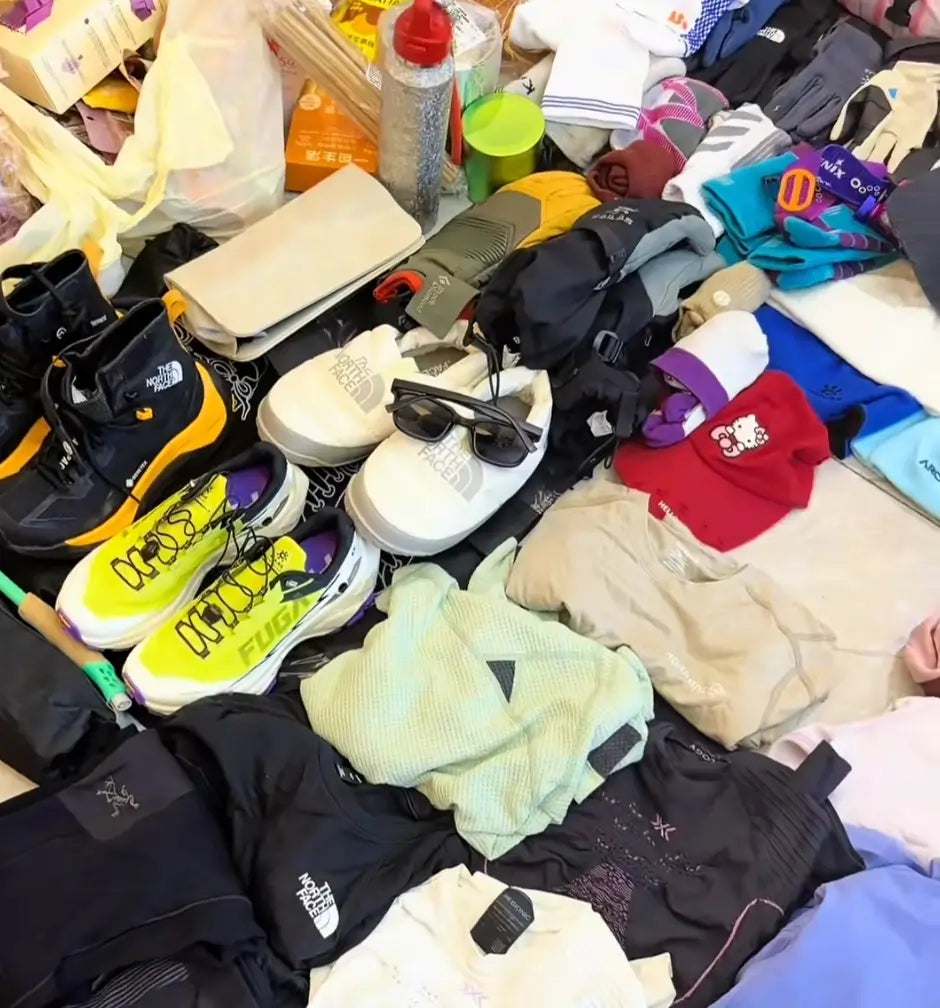
Cost Seven Gear Purchase or Rental
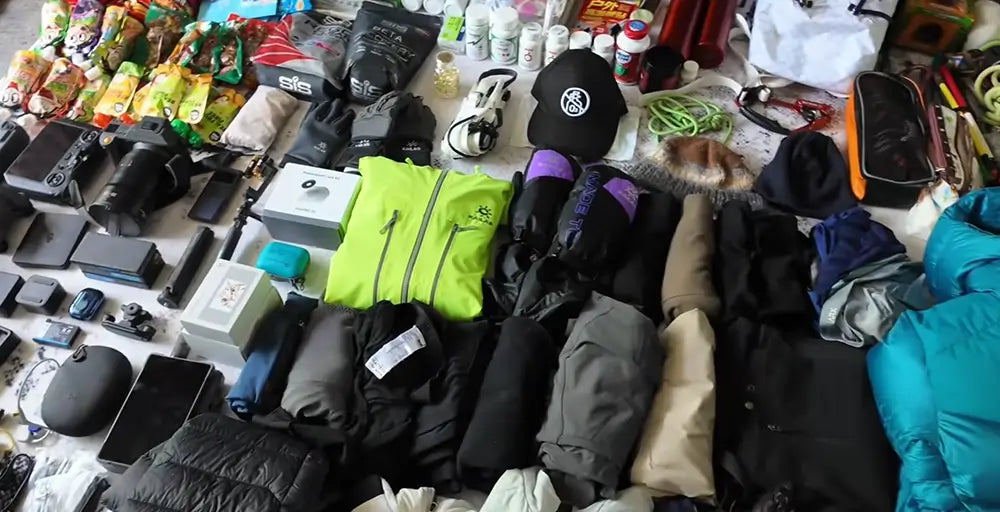
If you already own good trekking gear, equipment costs may be modest. If you are starting from zero, gear can add a lot.
Key items include:
- Hiking boots
- Down jacket
- Waterproof shell
- Fleece or mid layer
- Base layers
- Trekking trousers
- Gloves and hats
- Sunglasses
- Sleeping bag
- Trekking poles
- Headlamp
- Water bottle
- Backpack
- Sunscreen and lip balm
Some items can be rented or bought in Kathmandu, such as sleeping bags, down jackets and trekking poles. But hiking boots should be bought and broken in before you arrive. New boots on the EBC trail are a gamble with your feet.
You do not need the most expensive brands for one trek. You do need gear that fits, keeps you warm, handles wind and rain, and works reliably.
Cost Eight Insurance
Do not skip insurance.
Normal travel insurance often does not cover trekking above 5000 metres or helicopter evacuation. Everest Base Camp is above 5300 metres, and Kala Patthar is above 5500 metres, so your policy must clearly cover high-altitude trekking and emergency evacuation.
Before buying, check:
- Maximum altitude covered
- Nepal trekking coverage
- Helicopter evacuation coverage
- Altitude sickness coverage
- Medical repatriation
- Personal belongings and flight delay
- Exclusions for unguided trekking
Insurance can feel expensive until a helicopter evacuation is needed. One serious evacuation may cost far more than the whole trek.
Cost Nine Tips
Tipping is common in Nepal trekking. Guides and porters work hard, especially in cold, high-altitude conditions.
For a 14-day EBC trek, tips may range from several dozen dollars to one or two hundred dollars depending on group size, service quality and role. The important point is that tips should not replace fair pay, proper food, equipment and insurance for staff. Ask your operator how staff are supported.
Three Budget Styles
Budget Style
Best for experienced trekkers who already own gear and accept simple food and accommodation. You may arrange more yourself and hire either a guide or porter rather than both.
Estimated budget: about USD 900 to 1300, excluding international flights and major gear purchases.
Standard Style
This suits most first-time EBC trekkers. It usually includes local guide, porter, permits, Lukla flights, tea houses and meals. It is easier, more organised and safer.
Estimated budget: about USD 1200 to 1800.
Comfort or Luxury Style
This may include better lodges, private arrangements, more support, helicopter return or luxury lodge nights.
Estimated budget: about USD 2500 to 5000 plus.
Where Not to Save Money
You can trek EBC on a sensible budget, but some things are not worth cutting.
Do not skip insurance.
Do not remove acclimatisation days.
Do not use poor boots.
Do not bring inadequate warm layers.
Do not eat too little to save money.
Do not choose an unclear operator just because it is cheap.
Do not make the itinerary too tight.
A smart budget is not the smallest possible budget. It is money spent where it improves safety and experience.
Hidden Costs Checklist
Add these to your planning:
- Nepal visa
- Kathmandu hotels
- Airport transfers
- Ramechhap road transport
- Extra hotel nights during flight delays
- Lukla baggage overweight fees
- Hot water and charging
- WiFi and SIM card
- Medicine and first aid
- Tips
- Spare cash
- International flight change fees
Carry at least USD 200 to 400 in backup cash if you can. ATMs are unreliable in the mountains, and cards are not accepted everywhere.
Conclusion
So, how much does the Everest Base Camp Trek cost? For a standard local Nepal package in 2026, a realistic budget is around USD 1200 to 1800. Careful trekkers can spend less, while luxury lodges or helicopter options can cost much more. The real price depends on flights, permits, guides, porters, meals, gear, insurance and hidden extras.
The best places to spend money are safety, acclimatisation, warmth, good footwear and reliable people. You do not need to turn EBC into a luxury trip, but you should not compress it into a risky high-altitude bargain.
A clear budget makes the trail calmer. Above 5000 metres, the last thing you want is constant money stress. Walk slowly, eat well, stay warm and leave your attention for the mountains.

Leave a comment
All comments are moderated before being published.
This site is protected by hCaptcha and the hCaptcha Privacy Policy and Terms of Service apply.