
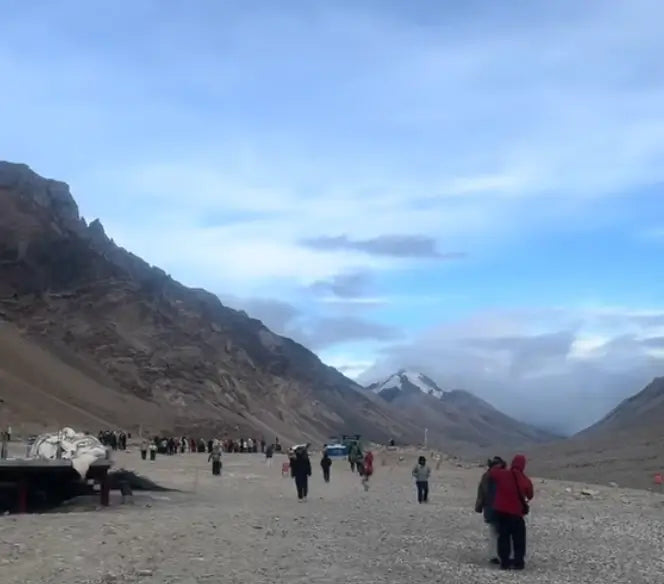
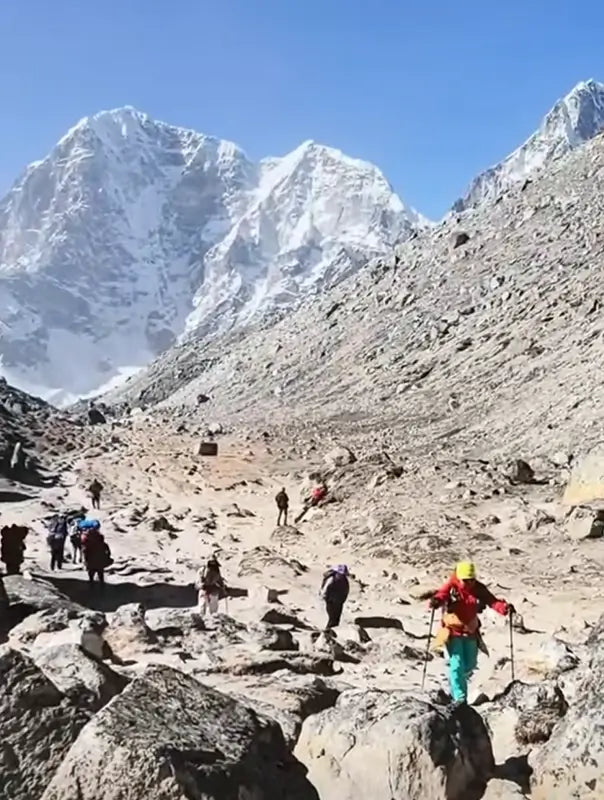
The Everest Base Camp Trek is not a technical climb, but it punishes small mistakes.
Boots that are not broken in may only feel annoying on day two. By Lobuche, they can make every step painful. Cutting two days from the itinerary may look efficient at home. In Dingboche, it may become an altitude problem. Leaving out a warm layer may feel fine in Namche. In Gorak Shep, it may mean a sleepless night.
EBC is rarely made difficult by one huge obstacle. It is made difficult by small details that build up. Good preparation is not about fear. It is about avoiding the most common and unnecessary mistakes.
Quick Answer
The most common Everest Base Camp Trek mistakes include:
- Walking too fast in the first days
- Rushing the itinerary and skipping acclimatisation
- Ignoring headache, nausea or poor sleep
- Treating EBC like an ordinary long hike
- Overpacking or carrying too much weight
- Not breaking in trekking boots
- Buying insurance that does not cover altitude and helicopter rescue
- Leaving no buffer for Lukla flights
- Eating and drinking too little at altitude
- Choosing guides or operators only by price
In simple terms, EBC is not a trek to force through. It rewards slow, steady and careful people.
Mistake One Walking Too Fast Early
Many first-time trekkers land in Lukla full of excitement. The first walk to Phakding is not too hard, and the second day toward Namche may feel manageable at first. People speed up, keep pace with stronger trekkers and feel proud.
That is often where the problem starts.
Nepal Social Treks lists walking too fast in the first two days as one of the common EBC mistakes. High-altitude trekking is not a race. The minutes you save lower down may return as headache, fatigue and poor appetite higher up.
Better habits:
- Walk slowly from day one
- Take small steps uphill
- Do not race other trekkers
- Keep breathing controlled
- Save energy early
- Listen to your guide about pace
The most useful phrase on EBC is “bistari, bistari”: slowly, slowly.
Mistake Two Skipping Namche and Dingboche Acclimatisation Days
Some trekkers try to compress EBC into 9 or 10 days because holiday time is limited. It sounds efficient, but it is risky for first-time high-altitude trekkers.
Namche Bazaar and Dingboche acclimatisation days are not sightseeing extras. They are part of the safety design. Haven Holidays Nepal’s beginner guide notes that a safe and scenic EBC trek for beginners generally needs 12 to 14 days, balancing distance, altitude and scenery.
If you remove acclimatisation days, your body may not adapt well before 5000 metres. Problems often appear around Lobuche or Gorak Shep.
Better approach:
- Choose a 12 to 14 day itinerary for a first EBC trek
- Spend two nights in Namche
- Spend two nights in Dingboche
- Hike higher during the day and sleep lower
- Do not confuse a shorter itinerary with greater fitness
Acclimatisation days are not wasted time. They are negotiation with altitude.
Mistake Three Ignoring Altitude Symptoms
Headache, nausea, poor sleep and low appetite are common on EBC. Because they are common, trekkers often dismiss them.
The dangerous thought is: “I feel a little bad, but I’ll probably improve if I keep going.”
Sometimes you will. Sometimes you will not. Haven Holidays Nepal’s altitude sickness guide stresses slow ascent, acclimatisation in Namche and Dingboche, hydration, avoiding alcohol, eating well and climbing high but sleeping low. If symptoms worsen, continuing higher is not wise.
Take these signs seriously:
- Headache getting worse
- Repeated vomiting
- Poor coordination
- Slow response
- Breathlessness at rest
- Worsening cough
- Chest tightness
- Extreme fatigue
Altitude sickness is not about pride. A good guide and good teammates will not push you to suffer silently.
Mistake Four Treating EBC Like a Normal Long Hike
Ian Taylor Trekking makes a useful point in its EBC advice: Everest Base Camp is not simply a long hike; it is a high-altitude expedition-style trek. Kala Patthar reaches around 5645 metres, and the route involves major cumulative ascent and descent.
This matters. Distance is not the only challenge. What wears people down is:
- Increasing altitude
- Poor sleep
- Colder rooms
- Fewer food choices
- Slower recovery
- Walking again every day
If you prepare for EBC like a normal trail, you may underestimate warmth, sleeping gear, insurance, altitude risk and buffer days.
Mistake Five Overpacking
First-time Himalayan trekkers often pack everything that might be useful. The result is excess baggage, heavier porter loads, Lukla flight issues and a heavier daypack.
Himalayan Glacier’s EBC packing guide notes that overpacking is a common mistake. Pack light, but do not skip essentials such as a good sleeping bag, warm jacket and hiking boots.
Better packing mindset:
- Pack enough, not everything
- Prioritise warmth, sleep, footwear and sun protection
- Bring fewer city clothes
- Use small toiletries
- Leave laptops and heavy extras at home
- Stay within Lukla baggage limits
- Respect porter weight limits
On EBC, every kilogram feels heavier with altitude.
Mistake Six Not Breaking in Boots
New boots on EBC are a bad bargain.
Foot problems may sound small, but this trek is walking every day. Blisters, toe pressure, ankle rubbing and sole discomfort all affect pace. On descent, toes and knees take even more punishment.
Before departure, use your actual boots for:
- Several long walks
- Thick and thin sock testing
- Uphill and downhill walking
- Daypack walks
- Identifying hot spots
- Practising blister prevention
EBC should not be your boot break-in route. Your boots and feet should already have an agreement before Nepal.
Mistake Seven Buying the Wrong Insurance
Many trekkers buy ordinary travel insurance and assume it is enough. Later, they may discover the policy does not cover trekking above 5000 metres or helicopter evacuation.
EBC often reaches Kala Patthar, above 5500 metres. Insurance should clearly cover high-altitude trekking, altitude sickness, helicopter evacuation in Nepal and medical transport.
Before buying, confirm:
- Does it cover Everest Base Camp Trek?
- Does it cover above 5500 metres?
- Does it cover Kala Patthar?
- Does it cover altitude sickness?
- Does it cover helicopter evacuation?
- Does it require a licensed guide?
- Is there 24-hour emergency assistance?
- Does it cover Lukla flight delay or trip interruption?
The best insurance is never used. But if you need it, it must be clear.
Mistake Eight Leaving No Buffer for Lukla Flights
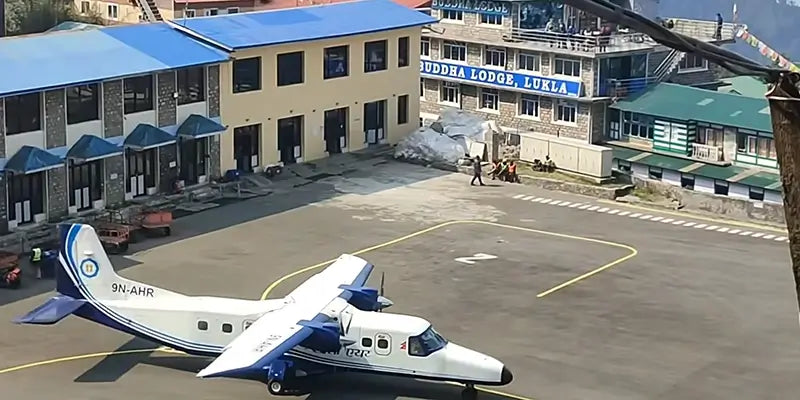
Lukla flight delays are not rare surprises. They are part of Everest region travel. Cloud, wind, visibility and airport scheduling all affect flights. If you fly from Lukla today and have an international flight tomorrow, you are taking a real risk.
Better planning:
- Keep at least 1 to 2 buffer days
- Do not schedule international flights tightly
- Accept possible Ramechhap transfers
- Budget for extra food and hotel nights
- Buy delay or interruption insurance
- Listen to guides and airline staff
On EBC, some waiting is not wasted time. It is realism.
Mistake Nine Eating and Drinking Too Little
Altitude reduces appetite. Some trekkers reach Dingboche, Lobuche or Gorak Shep and live on tea and a few bites of bread. The next day they feel empty, heavy-headed and weak.
Better food and water habits:
- Eat hot meals daily
- Dal bhat, soup, noodles, rice and potatoes are reliable
- Sip water regularly
- Tea and soup count as fluids
- Do not skip food to save money
- Be careful with meat and raw food higher up
- Carry a few snacks you know you can eat
EBC is not a weight-loss plan. You need fuel.
Mistake Ten Choosing Guides Only by Price
Cheap is tempting, but the cheapest option is not always the safest.
A good guide helps manage pace, altitude symptoms, tea houses, flight delays, emergency communication and itinerary changes. A poor operator may rush the trek, ignore symptoms, underpay porters or lack a clear emergency plan.
Ask:
- Is the guide licensed?
- Do they know the EBC route well?
- Do they have altitude sickness experience?
- Does the itinerary include acclimatisation days?
- Do they help with Lukla flights?
- Are porter loads reasonable?
- Are staff insured and equipped?
- Will they arrange descent if altitude symptoms worsen?
A good operator does not only promise Base Camp. They explain when not to continue.
Mistake Eleven Underestimating Weather
Even in main trekking seasons, EBC weather can change. Wind, snow, cold, cloud and rain can appear. Intrepid’s EBC advice notes that rain is always possible, so waterproof jacket, trousers and pack cover are worth carrying.
Do not skip rain gear because the forecast looks sunny. Do not skip warm layers because the lower valley is warm. In mountain weather, missing gear is noticed quickly.
Mistake Twelve Refusing to Change Plans
Many trekkers create a fixed plan before departure: Base Camp on this day, Kala Patthar the next, Lukla flight here, Kathmandu flight there. But EBC does not always follow a plan.
Things that can change:
- Lukla flights
- Altitude symptoms
- Tea house availability
- Weather
- Fatigue
- Cough or illness
- Team member condition
Good trekkers plan carefully, then adjust when needed. Flexibility in the mountains is not weakness. It is experience.
What Beginners Should Remember
If you remember only a few things, remember these:
- Walk slowly
- Do not skip acclimatisation days
- Report altitude symptoms
- Break in boots
- Keep luggage light
- Do not compromise warmth or sleeping bag
- Buy proper insurance
- Keep Lukla buffer days
- Eat hot food and drink clean water
- Descend when necessary
These tips are ordinary, but they are the ones that matter.
Conclusion
The most common Everest Base Camp Trek mistakes are usually not dramatic. They are small decisions: walking too fast, cutting acclimatisation, untested boots, heavy bags, hidden headaches, tight flights and vague insurance.
EBC does not require perfection. It requires honesty. Be honest about your fitness, the altitude, the weather and the uncertainty of mountain travel. Then you are more likely to arrive at Base Camp with enough energy to look around, not just survive the walk.
A good Everest Base Camp Trek is not one without difficulty. It is one where you make enough good small decisions before the difficulties become too big.

Leave a comment
All comments are moderated before being published.
This site is protected by hCaptcha and the hCaptcha Privacy Policy and Terms of Service apply.