
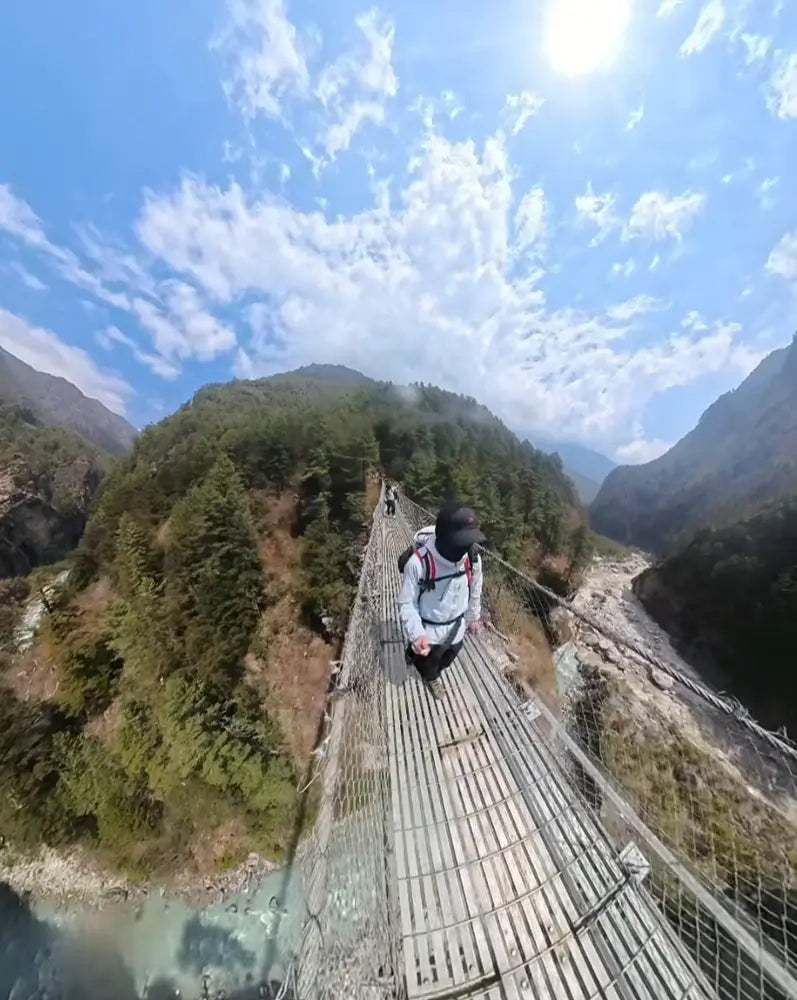
The classic Everest Base Camp Trek starts in Lukla, follows the Khumbu Valley to Everest Base Camp, climbs Kala Patthar for the best Everest view, then descends through the same valley.
On a map, the route looks simple: Lukla, Phakding, Namche Bazaar, Tengboche, Dingboche, Lobuche, Gorak Shep and Everest Base Camp. But on the trail, it is not just a line of villages. It is a carefully paced journey shaped by altitude, weather, tea houses, acclimatisation and your body’s response.
For most first-time EBC trekkers, a 12 to 14 day itinerary is best. Many 2026 trekking operators use 14 days as a standard safe schedule because it includes two key acclimatisation days at Namche and Dingboche, plus time for Lukla flight uncertainty.
Quick Answer
The classic Everest Base Camp route is usually:
Lukla → Phakding → Namche Bazaar → Tengboche or Deboche → Dingboche → Lobuche → Gorak Shep → Everest Base Camp → Kala Patthar → Pheriche → Namche → Lukla
Typical details:
- Total distance: about 130 km round trip
- Trekking days: about 11 to 12 days
- Total trip: about 14 days with Kathmandu and flight buffer
- Highest point: Kala Patthar, about 5545 m
- Everest Base Camp altitude: about 5364 m
- Daily walking: usually 4 to 7 hours, slower higher up
- Key acclimatisation stops: Namche Bazaar and Dingboche
In simple terms, the EBC route is not hard to find. The hard part is not rushing it.
Day One Arrive in Kathmandu
Most itineraries begin in Kathmandu. This is usually not a trekking day. It is for arrival, rest, gear checks, last-minute shopping and meeting your guide or team.
Use this day to:
- Check boots, sleeping bag, down jacket and rain shell
- Confirm insurance covers high-altitude trekking and helicopter evacuation
- Prepare enough cash
- Confirm whether the Lukla flight leaves from Kathmandu or Ramechhap
- Organise passport, permits, medicine and charging gear
During busy seasons, many Lukla flights operate from Ramechhap or Manthali rather than Kathmandu. Recent trek sources describe the Kathmandu to Ramechhap drive as around 4 to 5 hours, with the Ramechhap to Lukla flight taking about 15 to 20 minutes. This can mean a very early start, so do not stay up late on arrival night.
Day Two Fly to Lukla and Trek to Phakding
Route: Kathmandu or Ramechhap → Lukla → Phakding
Altitude: Lukla around 2860 m, Phakding around 2610 m
Walking time: about 3 to 4 hours
After landing in Lukla, most trekkers feel excited. The airport is famous, and the mountain atmosphere arrives quickly.
The walk to Phakding is usually gentle and even descends overall. Do not walk too fast just because the day is short. The goal is to settle into rhythm: adjust your pack, test your boots, learn where to keep water and warm layers, and understand the group pace.
Day Three Phakding to Namche Bazaar
Route: Phakding → Namche Bazaar
Altitude: about 2610 m to 3440 m
Walking time: about 5 to 7 hours
This is the first serious climbing day. The route passes river valleys, forest, suspension bridges and checkpoints. In good weather, some viewpoints may offer a first distant look toward Everest.
Namche Bazaar is the main Sherpa town of the Khumbu region, with tea houses, cafes, gear shops and supplies. Many trekkers first feel altitude here: stairs feel harder, sleep is lighter and the head may feel heavy.
Do not rush this day. Once in Namche, drink something warm, organise your kit and rest.
Day Four Acclimatisation in Namche
Location: Namche Bazaar
Sleeping altitude: around 3440 m
Common activity: short hike toward Everest View Hotel, Khumjung or nearby viewpoints
An acclimatisation day is not a lazy day. A good plan is to hike higher during the day and return lower to sleep: climb high, sleep low.
Many trekkers walk toward Everest View Hotel. In good weather, you can see Everest, Lhotse and Ama Dablam. Some continue toward Khumjung to see village life.
This day matters. People often try to skip it when they are short of time, but altitude does not care about your flight schedule. The Namche acclimatisation day reduces risk later.
Day Five Namche to Tengboche or Deboche
Route: Namche → Tengboche or Deboche
Altitude: Tengboche around 3860 m, Deboche slightly lower
Walking time: about 5 to 6 hours
This is one of the most scenic days. The trail crosses with ups and downs, drops toward the river, then climbs to Tengboche. Ama Dablam becomes more present, elegant and slightly intimidating.
Tengboche Monastery is a major cultural stop on the route. Many trekkers pause here among prayer flags, mountain views and monastery buildings. Some teams continue to Deboche to sleep slightly lower, which can help comfort.
Day Six Tengboche or Deboche to Dingboche
Route: Tengboche or Deboche → Dingboche
Altitude: Dingboche around 4410 m
Walking time: about 5 to 6 hours
From here, vegetation thins, wind increases and the valley opens. You begin to feel far from ordinary village life.
Dingboche is the second key acclimatisation stop. At over 4400 m, many trekkers notice reduced appetite, poor sleep or mild headache. Do not panic over mild symptoms, but be honest. If symptoms worsen, tell your guide.
Warm layers become more important here. Tea house dining rooms with stoves become the natural evening gathering place.
Day Seven Acclimatisation in Dingboche
Location: Dingboche
Sleeping altitude: around 4410 m
Common activity: Nagarjun Hill or nearby ridge hike
The Dingboche acclimatisation day is one of the most important parts of the whole itinerary. After this, the route quickly moves close to 5000 metres. If your body is not adapting here, Lobuche and Gorak Shep can become uncomfortable.
Many groups climb a ridge above Dingboche or head toward Nagarjun Hill before returning to the village. The climb may be slow and windy. You do not need to push to the highest possible point. The goal is to stimulate adaptation, not exhaust yourself.
Use the afternoon to dry clothes, drink, eat hot food and organise your higher-altitude layers.
Day Eight Dingboche to Lobuche
Route: Dingboche → Lobuche
Altitude: Lobuche around 4910 m
Walking time: about 5 to 6 hours
This day moves through a more open, harsher landscape and passes memorials for climbers who died on Everest and nearby peaks. For many trekkers, this is where the Everest story becomes more serious.
Lobuche is close to 5000 metres. Accommodation is simpler, rooms are colder and sleep may be poor. Try to eat a proper hot meal even if appetite is low. The next day is Base Camp day, and you need energy.
Day Nine Lobuche to Gorak Shep and Everest Base Camp
Route: Lobuche → Gorak Shep → Everest Base Camp → Gorak Shep
Altitude: Gorak Shep around 5160 m, Everest Base Camp around 5364 m
Walking time: about 7 to 9 hours
This is the big day, and one of the hardest.
The morning route from Lobuche to Gorak Shep crosses moraine and rough rocky ground. After lunch or a short rest, most trekkers continue with a light pack to Everest Base Camp. The trail is not extremely steep, but altitude and uneven ground make it slow.
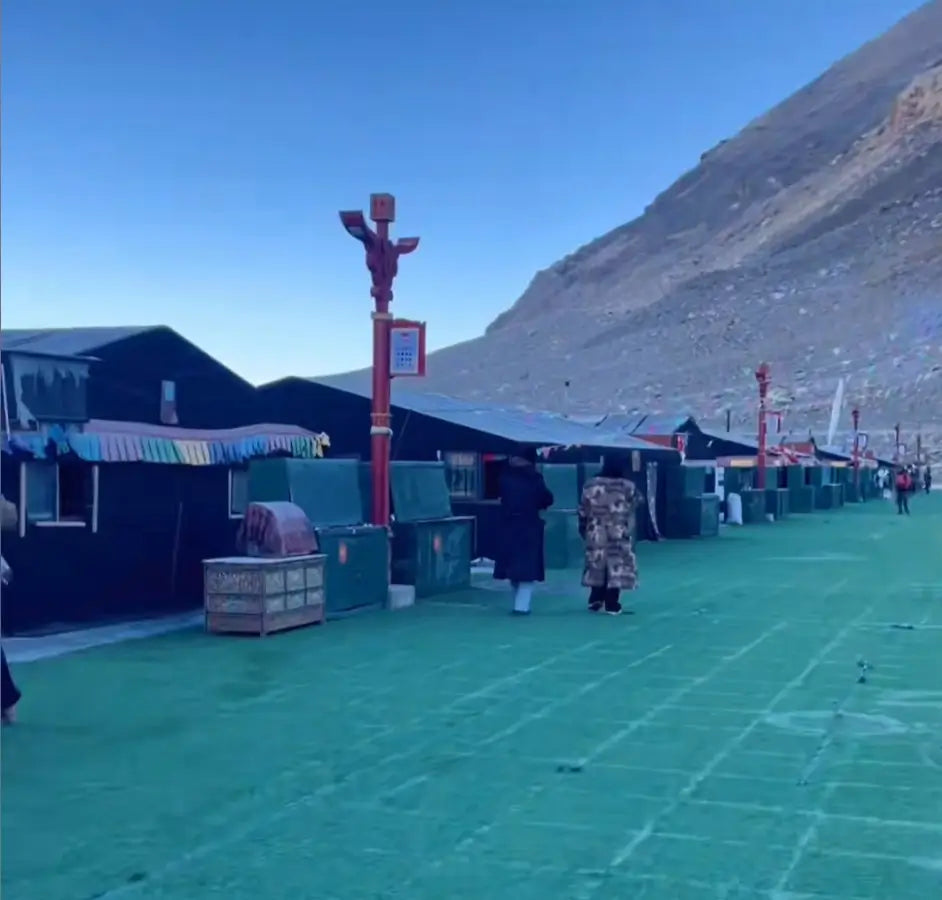
Base Camp itself is an expedition zone on the glacier. In spring it can be busy with tents and climbing teams. In autumn it may be quieter. You may not see the full summit of Everest from Base Camp, but the meaning is strong: you are near the starting point of the south side climbing route.
Most trekkers return to Gorak Shep for the night. Do not stay too long at Base Camp. It is cold, windy and you still have to walk back.
Day Ten Kala Patthar Sunrise and Descend to Pheriche
Route: Gorak Shep → Kala Patthar → Pheriche
Altitude: Kala Patthar around 5545 m, Pheriche around 4370 m
Walking time: about 7 to 8 hours
Many trekkers leave before dawn for Kala Patthar. It is not technical, but it is high, cold and continuously uphill. In clear weather, the view of Everest, Nuptse, Lhotse, Pumori and the surrounding peaks is unforgettable.
But be honest: if you have a severe headache, nausea or poor sleep in Gorak Shep, Kala Patthar is optional. It is not an exam. A sunrise photo is not worth a serious altitude problem.
After returning to Gorak Shep for breakfast, most groups descend to Pheriche or Dingboche. Once lower, many trekkers feel breathing and appetite improve.
Day Eleven Pheriche to Namche Bazaar
Route: Pheriche → Tengboche → Namche Bazaar
Altitude: about 4370 m down to 3440 m
Walking time: about 6 to 8 hours
This is a long day, but the overall descent helps mentally. Still, downhill is not effortless. Knees, toes and tired legs need care. Trekking poles are very useful here.
Returning to Namche can feel almost like returning to a city. Coffee, bakeries and more food choices feel wonderful after the higher villages.
Day Twelve Namche to Lukla
Route: Namche → Phakding → Lukla
Altitude: back to around 2860 m
Walking time: about 6 to 7 hours
The final walking day is often longer than people expect. You pass the same bridges, villages, forest and river valley from the way in. Do not relax too early. Ankles and knees can still be injured on the last day.
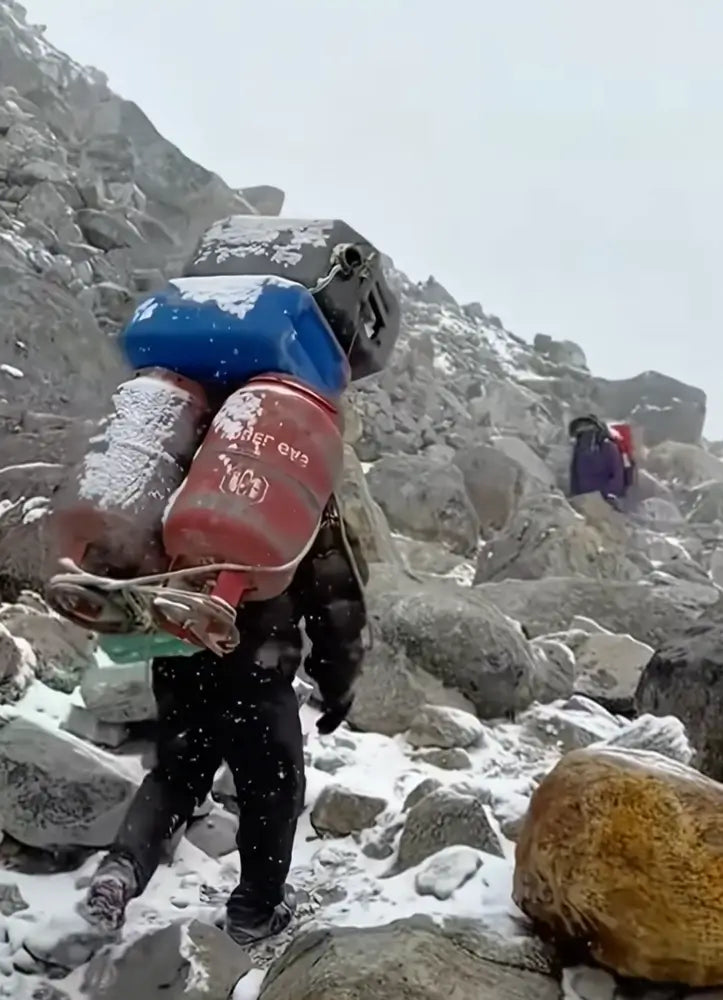
In Lukla, teams often share a final dinner, organise tips and thank guides and porters. The EBC trek is rarely a solo achievement, especially if local staff supported you.
Day Thirteen Fly Back to Kathmandu or Ramechhap
If the weather is good, the flight out of Lukla may be quick. But Lukla flights are famously weather dependent, so do not schedule your international flight too close.
If you fly to Ramechhap, you still need a road transfer back to Kathmandu, which may take several hours. Many trekkers return to the city wanting only a shower, clean clothes and a meal that did not come from a mountain tea house.
Day Fourteen Buffer Day or Departure
A buffer day is extremely useful. It can cover:
- Lukla flight delays
- Ramechhap road transfers
- Recovery
- Souvenir shopping
- Gear sorting
- Avoiding missed international flights
It looks unnecessary until Lukla weather turns bad. Then it becomes the smartest day in the itinerary.
12 Day 14 Day or 17 Day Itinerary
12 Day Route
Best for trekkers with limited time, good fitness and some altitude experience. It is more compressed and less forgiving. Not ideal for most first-time EBC trekkers.
14 Day Route
Best for most first-timers. It includes Namche and Dingboche acclimatisation days and basic travel buffer. Many 2026 operators describe 14 days as the standard balanced itinerary.
17 Day Route
Good for trekkers who want to move slower or add Gokyo, Cho La Pass or more buffer. It offers richer scenery but can involve more complex weather and route demands.
For a first EBC trek, around 14 days is usually the best choice.
The Logic Behind the Itinerary
The EBC route is not random. It follows a few important principles.
Do Not Gain Altitude Too Fast
From Lukla to Namche, Dingboche, Lobuche and Gorak Shep, altitude rises significantly. Acclimatisation days give the body time to adjust.
Do Not Stay High Too Long
Gorak Shep is high, cold and hard for sleep. That is why trekkers usually visit Base Camp and return, then climb Kala Patthar only if feeling well before descending.
Descent Can Be Faster
The body usually feels better lower down, so return days can be longer. But knees and fatigue still matter.
Keep Flight Buffer
Lukla uncertainty is part of the EBC experience. Build buffer days into the plan.
Common Itinerary Mistakes
Skipping Acclimatisation Days
This is the most common and least worthwhile mistake. Saving two days can ruin the trek.
Forcing Kala Patthar
If you feel bad at Gorak Shep, skip it. There is no pride in making altitude symptoms worse.
Booking International Flights Too Tight
If Lukla is delayed and your international flight is next day, stress rises fast.
Walking Too Fast Early
Many EBC failures begin in the first few days. Slow is not weak. Slow is smart.
Underestimating Descent
Descending can still cause injury, especially to knees and toes. Poles, good boots and steady pace still matter.
Conclusion
The Everest Base Camp Trek route looks simple, but a good daily itinerary is built around acclimatisation. Lukla to Phakding settles the rhythm. Namche is the first altitude test. Dingboche is the key buffer. Lobuche and Gorak Shep are the high-altitude challenge. Everest Base Camp is the meaning. Kala Patthar is the view. Pheriche and Namche are where the body begins to relax again.
For a first EBC trek, choose a classic itinerary of around 14 days. Do not cut acclimatisation days to save time, and do not treat Kala Patthar as compulsory if your body is struggling.
The best way to walk this route is not to reach Base Camp as fast as possible. It is to arrive with enough energy to look up at the mountains, and return feeling that you made a good, clear decision.

Leave a comment
All comments are moderated before being published.
This site is protected by hCaptcha and the hCaptcha Privacy Policy and Terms of Service apply.