
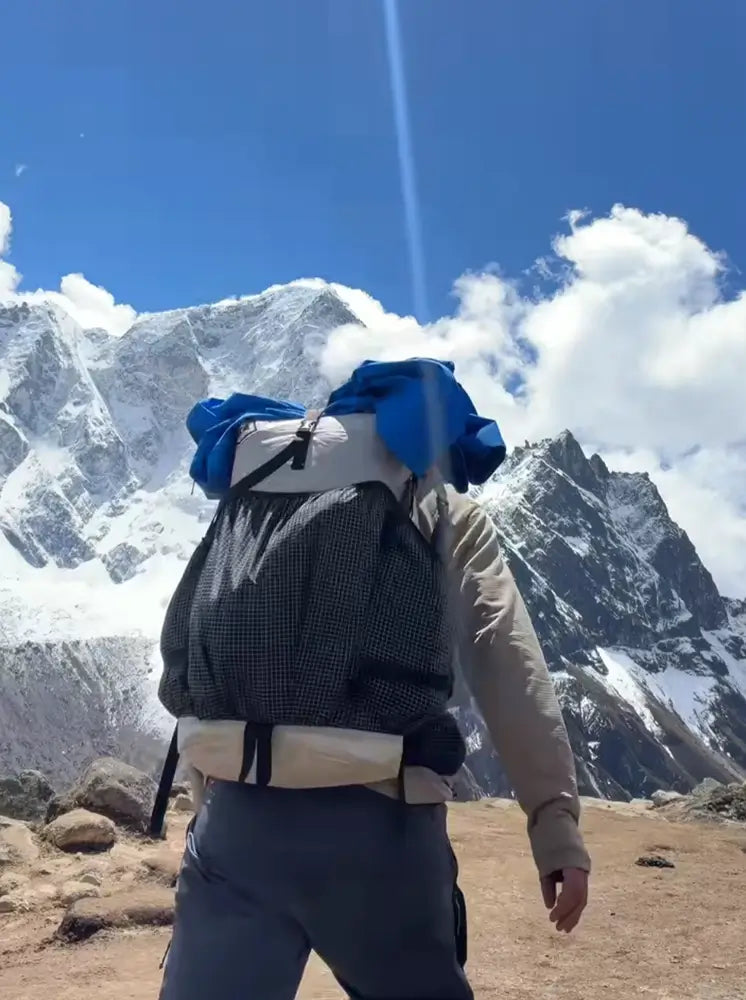
You do not have to climb Everest to feel the power of Everest.
For most travellers and outdoor people, the Everest Base Camp Trek is the most realistic way to get close to the world’s highest mountain. It does not enter the death zone. It does not require oxygen bottles. It does not involve climbing an 8000 metre peak. But it takes you into one of the most famous mountain valleys on Earth: Namche Bazaar, Tengboche, Dingboche, Lobuche, Gorak Shep and Everest Base Camp at around 5364 metres.
This is not ordinary sightseeing, and it is not an easy stroll. It is a high-altitude trek that needs time, fitness, warm clothing, patience and respect for altitude sickness. But compared with climbing Everest, it is far more accessible for ordinary hikers.
Quick Answer
The Everest Base Camp Trek usually involves:
- Duration: about 12 to 14 days from Kathmandu
- Highest point: Kala Patthar around 5545 metres, Base Camp around 5364 metres
- Classic route: Lukla, Phakding, Namche, Tengboche, Dingboche, Lobuche, Gorak Shep, Base Camp
- Best seasons: spring from March to May and autumn from September to November
- Permits: Sagarmatha National Park permit and Khumbu local permit
- Difficulty: moderate to challenging high-altitude trekking, with real altitude risk but low technical difficulty
In simple terms, the Everest Base Camp Trek is not mountaineering, but it is not a casual holiday either. It is the classic way for ordinary people to approach Everest.
Where Is Everest Base Camp
The Nepal side Everest Base Camp sits inside Sagarmatha National Park at around 5364 metres. It is the seasonal base for south side Everest expeditions. Climbers live there for weeks while acclimatising, preparing for rotations and waiting for weather windows before moving toward Camp 1, Camp 2, Camp 3 and Camp 4.
Trekkers usually visit the edge of the Base Camp area. You may see glaciers, expedition tents, prayer flags and the lower area near the Khumbu Icefall, but you should not wander through private expedition camps.
One surprise for many trekkers is that Base Camp does not offer the best clear view of Everest itself. The mountain is partly hidden by nearby peaks and terrain. For the classic Everest view, most trekkers hike to Kala Patthar.
Why Kala Patthar Matters
Kala Patthar, around 5545 metres, is the common high point of the Everest Base Camp Trek. It is not a technical climb, but it is hard work because the air is thin and the slope keeps rising. Many trekkers start before dawn to watch sunrise over Everest, Lhotse, Nuptse and Pumori.
If Base Camp is the emotional goal, Kala Patthar is the viewpoint. Base Camp lets you stand near the starting point of Everest expeditions. Kala Patthar lets you really see the mountain.
How Many Days Does the Classic Trek Take
A standard Everest Base Camp Trek usually takes 12 to 14 days. Around 14 days is a safer and more comfortable plan because it includes acclimatisation days and allows some buffer for Lukla flight delays.
A common itinerary looks like this.
Day One Kathmandu or Ramechhap to Lukla, Trek to Phakding
Lukla sits around 2860 metres. In many seasons, flights to Lukla may operate from Ramechhap rather than Kathmandu, depending on air traffic and seasonal arrangements. After landing, most groups trek gently to Phakding.
Day Two Phakding to Namche Bazaar
This day has more climbing, suspension bridges, forest, river valleys and checkpoints. Namche Bazaar sits around 3440 metres and is the main Sherpa town of the Khumbu region. Many trekkers first feel the altitude here.
Day Three Acclimatisation in Namche
Do not rush upward. A typical acclimatisation day includes a short climb toward the Everest View Hotel area, then returning to Namche to sleep. This is a simple form of “climb high, sleep low”.
Day Four Namche to Tengboche or Deboche
This is one of the beautiful walking days, with views of Ama Dablam and other peaks. Tengboche Monastery is a cultural highlight. Many trekkers feel here that they have truly entered the high Himalaya.
Day Five Tengboche or Deboche to Dingboche
Dingboche is around 4410 metres. Vegetation becomes thinner, wind feels stronger and the landscape opens up. From here, the trek is no longer only about tired legs. Altitude becomes more noticeable.
Day Six Acclimatisation in Dingboche
This is an important day. Many groups climb a nearby ridge or viewpoint and return to Dingboche to sleep. It may look like a rest day, but it protects the rest of the trip.
Day Seven Dingboche to Lobuche
Lobuche is close to 4910 metres. The route passes memorials for climbers who died on Everest and nearby peaks. For many people, this is the first moment when Everest feels emotionally heavier.
Day Eight Lobuche to Gorak Shep and Everest Base Camp
This is one of the biggest days. Trekkers usually walk to Gorak Shep first, then continue to Everest Base Camp with a light pack before returning to Gorak Shep for the night. Base Camp is not a comfortable destination. It is a glacier and expedition zone.
Day Nine Kala Patthar Sunrise and Descend
Many trekkers climb Kala Patthar before dawn, return to Gorak Shep, then descend to Pheriche or Dingboche. It is a long day, but dropping lower often makes the body feel better.
Days Ten to Twelve Return to Namche and Lukla
Descent is faster than ascent, but do not rush. Knees, fatigue and sleep still matter.
Days Thirteen to Fourteen Fly Back and Buffer
Lukla flights are weather dependent. A buffer day is very useful. Do not book your international flight too tightly after the trek.
What Permits Do You Need
As of public information available in 2026, trekkers usually need two main permits for the Everest Base Camp route.
Sagarmatha National Park Entry Permit
The Sagarmatha National Park Entry Permit is required to enter the protected park area. Many current trekking sources list the fee for foreign visitors at NPR 3000, though tax and administrative details may vary.
Khumbu Pasang Lhamu Local Permit
The Khumbu Pasang Lhamu Rural Municipality Permit, sometimes described as a Trek Card, is required for entry into the Khumbu region. Recent trekking sources vary, with some listing NPR 2000 and others NPR 3000 for foreign trekkers, partly due to recent adjustments. Always confirm the latest amount with your trekking company, guide or local checkpoint.
Some sources still mention a TIMS card, but Everest region requirements have changed over time and can be described differently by different agencies. The safest approach is to have a registered local operator confirm current requirements and carry your passport and photos.
Best Time to Trek to Everest Base Camp
The two most popular seasons are spring and autumn.
Spring March to May
Spring becomes warmer, rhododendrons bloom and Everest climbing teams begin arriving at Base Camp. If you want to see expedition atmosphere, spring is attractive. The trail and tea houses can be busier.
Autumn September to November
Autumn often brings clearer air after the monsoon and is very popular with trekkers. Weather is usually more stable, though mornings and evenings become cold.
Winter and Monsoon
Winter is quieter and beautiful, but colder, and some tea houses may close. The monsoon brings more cloud, rain lower down, flight delays and less reliable mountain views. For a first EBC trek, the main seasons are usually better.
How Fit Do You Need to Be
The Everest Base Camp Trek does not require climbing skills, ropes or crampons. But it does require steady trekking fitness.
You should be able to:
- Walk 5 to 7 hours for several days in a row
- Carry a light daypack
- Handle uphill and downhill walking
- Keep moving with poor sleep or lower appetite
- Accept cold mornings and simple accommodation
- Follow guide advice instead of rushing
Many people struggle not because their legs are weak, but because they walk too fast, acclimatise poorly and hide symptoms. The key to EBC is not speed. It is rhythm.
Altitude Sickness Is Real
Everest Base Camp is above 5000 metres, and Kala Patthar is above 5500 metres. Altitude sickness matters.
Common symptoms include:
- Headache
- Nausea
- Loss of appetite
- Poor sleep
- Dizziness
- Unusual fatigue
- Slower walking
Prevention includes:
- Do not compress the itinerary
- Include acclimatisation days in Namche and Dingboche
- Walk slowly
- Drink regularly, but do not blame everything on dehydration
- Avoid alcohol
- Stop ascending if symptoms are significant
- Descend if symptoms become serious
- Ask a doctor before using Diamox
Most importantly, do not hide symptoms to finish the itinerary. Altitude does not respect pride.
What Gear Do You Need
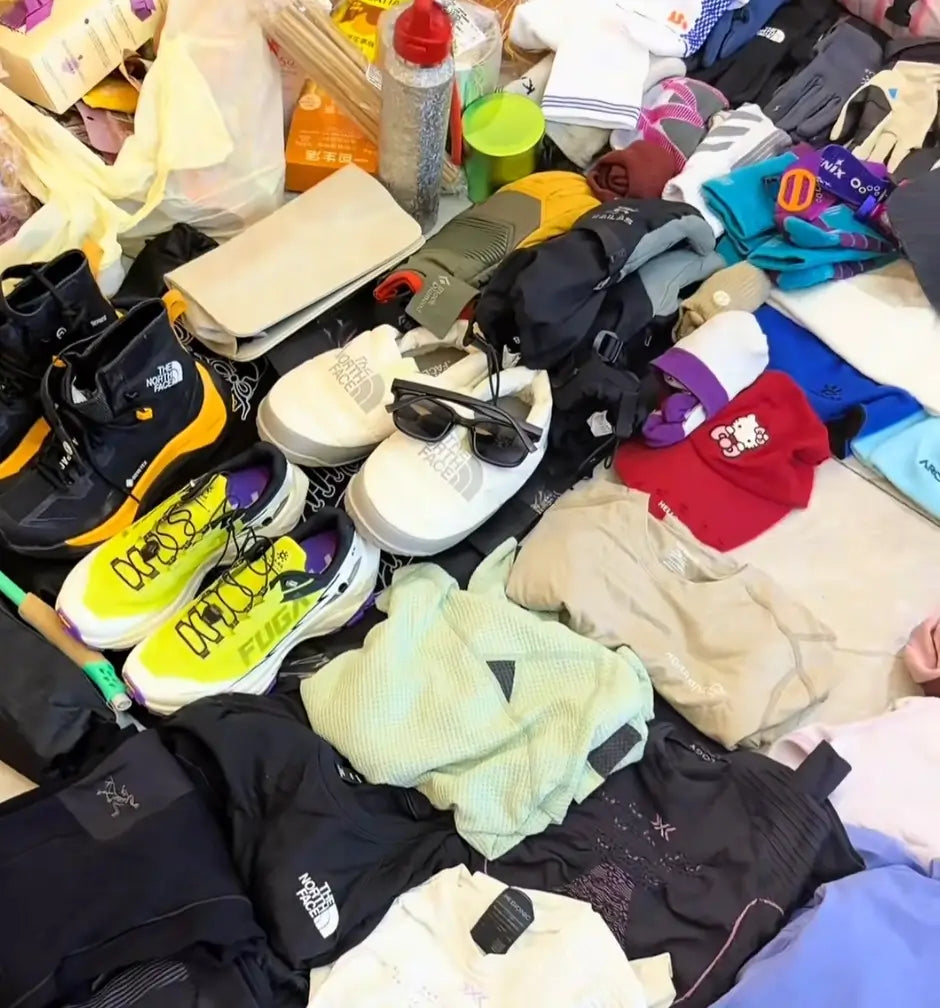
EBC gear is simpler than Everest climbing gear, but warmth and comfort matter.
Basic gear includes:
- Well-broken-in hiking boots
- Warm down jacket
- Fleece or mid layer
- Windproof and waterproof shell
- Moisture-wicking base layers
- Warm hat and sun hat
- Gloves
- Sunglasses
- Sunscreen and lip balm
- Sleeping bag
- Headlamp
- Water bottle or hydration system
- Trekking poles
- Personal medicine
- Power bank
- Wet wipes and hygiene items
Trekking poles are very useful, especially on descent. A warm sleeping bag is important because tea house rooms can be cold at higher altitude. This is not a city travel packing list.
Accommodation and Food
Most trekkers stay in tea houses. These are not hotels, but they provide beds, meals, hot drinks and a basic place to rest. Higher on the route, facilities become simpler, prices rise and choices narrow.
Common foods include:
- Dal bhat
- Fried rice
- Noodles
- Potatoes
- Eggs
- Soup
- Tibetan bread
- Tea and hot lemon
Dal bhat is a reliable trekking meal because it is hot, filling and widely available. Higher up, meat and fresh food are less reliable. Simple, hot and cooked food is usually the safer choice.
Should You Hire a Guide
Nepal trekking rules have changed in recent years, and independent trekking requirements can vary by region and time. Even where solo trekking is possible, first-time Everest Base Camp trekkers should strongly consider hiring a registered guide or joining a small group.
Reasons include:
- Easier route management
- Permit and lodging support
- Better altitude sickness observation
- Help with flight delays
- Easier cultural communication
- Emergency support
- Support for local employment
Experienced trekkers may prefer more independence, but saving money should not come before safety.
How Much Does the Trek Cost
Everest Base Camp Trek costs vary widely depending on group style, guide and porter support, accommodation, flights, gear and itinerary length.
Common costs include:
- International flights
- Nepal visa
- Kathmandu hotel
- Lukla return flights
- Permits
- Guide and porter
- Tea house accommodation
- Meals and hot drinks
- Charging, WiFi, hot showers and boiled water
- Tips
- Insurance
- Gear purchase or rental
Do not look only at the package price. Extras add up, especially charging, hot water, WiFi and drinks. Everything costs more high on the trail because it has to be carried there by people or animals.
Practical Advice for First-Time Trekkers
For a first Everest Base Camp Trek, the best advice is simple:
- Choose a 14-day style itinerary
- Train legs and cardio for 2 to 3 months
- Break in your boots before departure
- Bring proper warm layers
- Do not shower every day if it risks getting chilled
- Eat hot food
- Listen to your guide about altitude symptoms
- Keep buffer days for Lukla flights
- Buy insurance covering high-altitude trekking and helicopter evacuation
- Respect local culture and environmental rules
You do not need to be a mountaineer. You do need to be sensible.
Conclusion
The Everest Base Camp Trek is the classic and realistic way for ordinary people to get close to Everest. It does not have the technical difficulty or death-zone risk of climbing the mountain, but it still involves altitude, cold, long walking days, flight delays and altitude sickness risk.
If you prepare well, walk slowly, respect the altitude and listen to good local advice, it can become one of the most memorable journeys of your life. Everest is not only a summit. It is a valley, a culture, a rhythm of walking and a way of becoming quieter in front of big mountains.
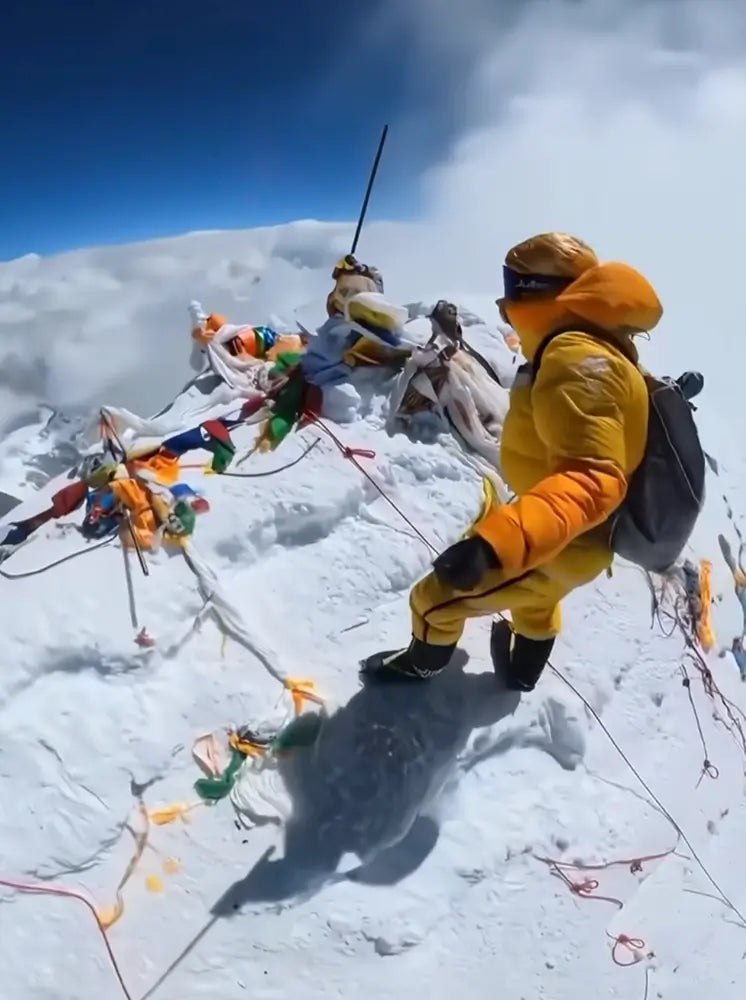
You do not have to stand at 8848 metres to truly meet Everest.

Leave a comment
All comments are moderated before being published.
This site is protected by hCaptcha and the hCaptcha Privacy Policy and Terms of Service apply.