
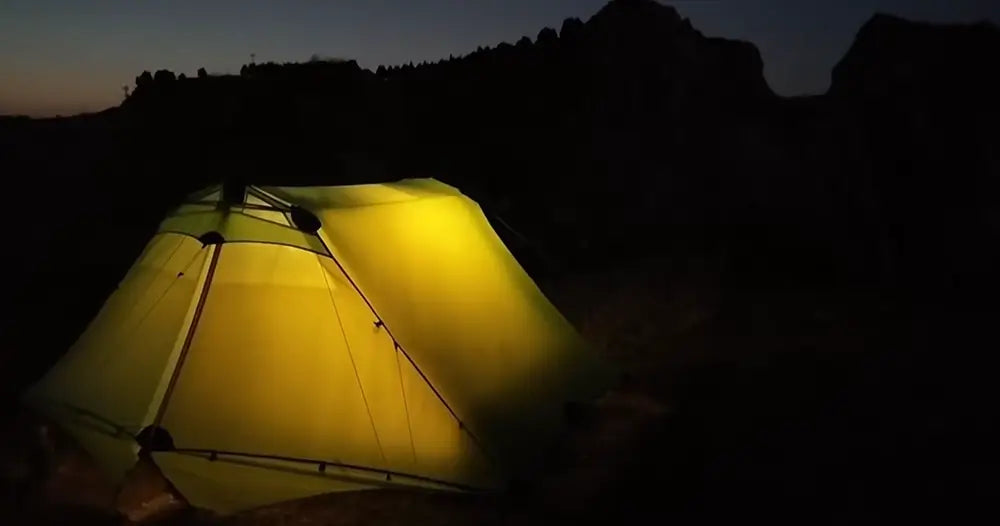
Are Trekking Pole Tents Reliable in Wind
A good trekking pole tent can be very reliable in windy weather, but it asks more from the person pitching it. That is the honest answer most experienced hikers give. In a Reddit discussion about trekking pole supported tents, several users made the same point: the shelter is only as good as its design, the ground anchors and the pitch.
This matters in the UK because wind is rarely polite. A calm evening in the Lake District, Snowdonia, Dartmoor or the Scottish Highlands can turn into a noisy night very quickly. A trekking pole tent is not automatically weak, but a loose pitch, poor stakes or bad site choice can make any lightweight tent feel unstable.
Choose the Pitch Before You Think About Poles
A solid trekking pole tent setup in windy weather begins before the tent leaves the bag. Look for natural shelter: a low rise, boulder line, hedge, wall or dip that is not a water channel. Avoid exposed ridges, cols and summit areas when strong wind is forecast.
The ground matters too. Soft wet grass, shallow soil, loose gravel and rocky ground all need different pegging methods. If your tent depends on stakes for structure, weak anchoring is the first thing likely to fail.
Face the Tent Correctly
Most trekking pole tents have a stronger side or lower profile direction. Pitch the narrowest or most stable face into the wind if the design allows it. Slower Hiking notes that reducing windward surface area is one of the best ways to reduce overall stress on the tent.
If the tent has doors that overlap, make sure the wind is not trying to peel them open. In bad weather, small orientation choices can make the difference between a noisy night and a tent that constantly deforms.
Anchor First Then Build Structure
In wind, do not throw the whole shelter out loose. It can become a sail before you have time to react.
A useful method is:
- Keep stakes in a pocket before opening the tent bag.
- Attach one windward point to your pack or immediately stake it down.
- Stake the upwind corners first.
- Keep the fabric low to the ground while working.
- Insert trekking poles only after the basic footprint is controlled.
- Add guylines and tension gradually.
This is especially important for solo campers. Slower Hiking strongly recommends practising before a trip, because pitching in real wind is very different from pitching on a calm lawn.
Use Every Guyline Point
For a proper trekking pole tent setup in windy weather, guylines are not optional. They are part of the structure.
Trekking pole tents often rely on fabric tension. If the panels are loose, the tent will flap, deform and load the anchors unevenly. Use the apex guylines, corner guylines and mid panel tie outs if your tent has them. Mid panel lines may not look dramatic, but they reduce fabric cupping and stop large panels from catching wind like a sail.
Check Guyline Cord and Tensioners
Very thin ultralight cord can slip, stretch or fail under repeated gusts. Make sure your line tensioners actually grip the cord. If they slip, a simple knot below the tensioner can help. In rough UK weather, slightly stronger guylines are often worth the few extra grams.
Choose Better Stakes Than the Stock Pegs
Many lightweight tents include small pegs to keep the listed weight low. Those pegs may be fine on a calm campsite, but they are often not ideal for wind.
For UK backpacking, carry a mix:
- V stakes or Y stakes for general ground
- Longer stakes for soft wet soil
- Strong nail style pegs for hard ground
- A couple of spare stakes for windward points
Slower Hiking points out that stake failure can create a cascade: once one anchor pulls out, stress moves suddenly to the remaining points. That is why the windward corners and apex guylines deserve extra care.
Double Pegging and Rocks
If one stake is not enough, add a second stake in line with the first rather than crossing two pegs in the same spot. You can also use line extensions with rocks, but avoid placing rocks directly on guylines or tent fabric because abrasion can damage them.
Lower the Tent When Conditions Are Bad
Many trekking pole tents can be pitched higher for ventilation or lower for storm protection. In windy weather, lower is usually better.
Shorten the trekking poles slightly if the design allows it. Reduce the gap between the flysheet and ground on the windward side. This helps stop gusts from getting underneath the fly and lifting the shelter.
There is a trade off. A very low pitch can reduce ventilation and increase condensation. In UK weather, that may still be better than letting wind drive rain under the fly.
Keep Checking During the Night
Nylon tents can relax when wet, and even well pitched shelters may loosen after rain. Before sleeping, walk around the tent and check:
- Are all stakes still firm
- Are guylines tight but not overstressed
- Is the fly touching the inner
- Are doors secured
- Is one side taking too much wind
If the wind rises during the night, reinforce the upwind points first. Add spare stakes, shorten guylines where needed and use natural anchors if the ground is poor.
Common Mistakes
The most common mistakes are simple ones:
- Pitching too high in exposed wind
- Using too few guylines
- Trusting tiny stakes in soft ground
- Leaving the fly loose
- Facing a large panel directly into the wind
- Learning the tent for the first time in bad weather
A trekking pole tent can be strong, but it is less forgiving than a freestanding dome if pitched carelessly.
Final Thoughts
A good trekking pole tent setup in windy weather is about patience and practice. Choose a sheltered pitch, face the tent properly, anchor the windward side first, use every guyline and carry stakes that match UK ground.
The Reddit discussion around trekking pole shelters shows that many hikers trust them in real wind, including exposed places, but confidence usually comes from experience. The tent matters, but the pitch matters just as much.
For UK wild camping, the best approach is simple: practise before the trip, respect the forecast and build the shelter as if the wind will get worse after dark. Very often, it will.

Leave a comment
All comments are moderated before being published.
This site is protected by hCaptcha and the hCaptcha Privacy Policy and Terms of Service apply.