
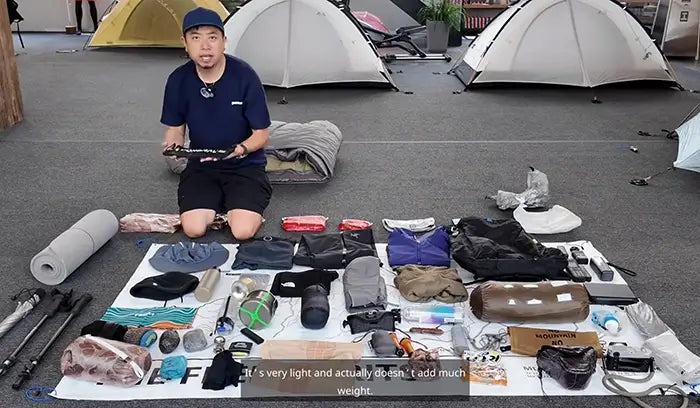
A Practical Camping Checklist for UK Trips
A good camping packing list is not about taking everything from the garage and hoping it fits in the car. It is about knowing what will actually make the night easier, warmer and less stressful. UK camping has its own little problems: wet grass, chilly evenings, muddy tent pegs, wind at coastal campsites and rain that seems to arrive just after the stove is lit.
Most campers learn their list slowly. The first trip is often too much gear. The second trip usually forgets something obvious, like a lighter, bin bag or dry socks. By the third or fourth trip, the checklist becomes more personal.
Shelter and Sleeping Gear
The first part of any camping packing list should be shelter and sleep. If these are wrong, the whole trip suffers.
For campsite camping, take:
- Tent
- Tent pegs
- Mallet
- Groundsheet or footprint
- Sleeping bag
- Sleeping mat or air bed
- Pillow
- Extra blanket for colder nights
GO Outdoors suggests choosing a tent with room for one or two more people than the stated sleeping capacity if you want space for gear. That is sensible for family camping or car camping. For wild camping, though, weight matters more, so a small one or two person tent is usually better.
Wild Camping Sleep Setup
For wild camping, the sleep system needs more care. Sea to Summit highlights the importance of a proper sleeping bag and sleeping mat, because cold ground can quickly ruin sleep. AP Mountaineering also recommends a three season sleeping bag for Scottish conditions, which makes sense for much of the UK outside high summer.
Cooking and Food
Food is where many campers either overpack or underthink. A simple setup is usually best.
Useful include:
- Camping stove
- Correct fuel
- Lighter or matches
- Pot or pan
- Mug
- Bowl or plate
- Spoon or spork
- Water container
- Washing sponge or cloth
- Small rubbish bag
For campsite camping, a kettle, table, coolbox and extra cookware can be useful. For backpacking, keep it lean. One pot, one stove and food that only needs boiling water can save weight and fuss.
Food Planning
Sea to Summit suggests around 700g to 1kg of food per person per day for wild camping. That will vary depending on appetite, trip length and food type, but it is a useful starting point. Breakfast, lunch, dinner and snacks should be planned before packing, not guessed at in the supermarket car park.
Clothing for UK Camping
UK weather makes clothing one of the most important sections of any camping list checklist.
Pack:
- Waterproof jacket
- Waterproof trousers
- Warm fleece or insulated jacket
- Base layer
- Walking trousers
- Spare socks
- Hat
- Gloves
- Sleep clothing
- Camp shoes or spare footwear
Avoid cotton for active layers. AP Mountaineering points out that cotton holds moisture and can make you cold quickly. For UK camping, dry socks and a warm layer are small things that make a big difference.
Safety and Repair Kit
These are the items people rarely get excited about, but they are the ones missed most when something goes wrong.
Add these to your checklist:
- First aid kit
- Personal medication
- Headtorch
- Spare batteries or power bank
- Duct tape
- Tent repair kit
- Penknife or multitool
- Extra guyline
- Map and compass for remote trips
- Phone with offline maps
A headtorch is better than relying on a phone torch. It leaves both hands free when cooking, finding pegs or walking to the toilet block at night.
Hygiene and Leave No Trace
Even a short camping trip needs a basic hygiene kit.
Pack:
- Toilet roll
- Hand sanitiser
- Toothbrush and toothpaste
- Quick dry towel
- Wet wipes or cloth
- Insect repellent
- Sun cream
- Trowel or poop bags for wild camping
For wild camping, Leave No Trace matters. Pack out rubbish, avoid fires where inappropriate, and leave the pitch as if nobody had camped there.
Optional Comfort Items
Not everything has to be ultralight. If you are car camping, a few comfort items can make the trip much more enjoyable.
Consider:
- Camping chair
- Camping table
- Lantern
- Book or cards
- Windbreak
- Tent carpet
- Extra tarp or porch
- Hot water bottle
- Power station for family camping
The trick is knowing the difference between comfort and clutter. A chair may be worth it. Three boxes of “just in case” gear usually are not.
Final Thoughts
A good camping packing list should match the trip. A family campsite weekend, a solo Lake District overnighter and a Scottish wild camp all need different versions of the same basic system.
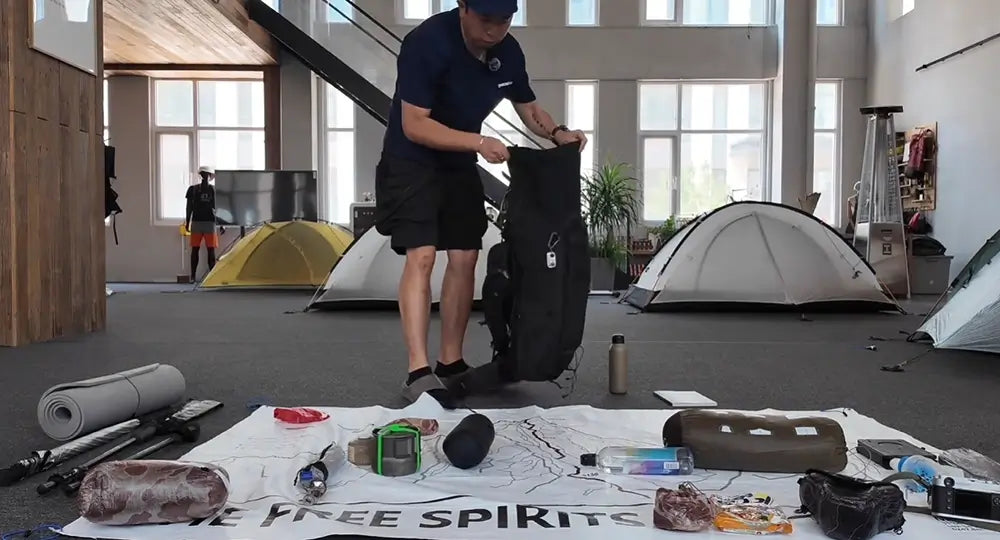
Start with the real camping essentials: shelter, sleep, food, water, clothing, lighting and safety. Then add comfort items only if they genuinely improve the trip. The best packing list is not the longest one. It is the one that gets you through a wet evening, a cold night and a slow morning without wishing you had stayed home.

Leave a comment
All comments are moderated before being published.
This site is protected by hCaptcha and the hCaptcha Privacy Policy and Terms of Service apply.