
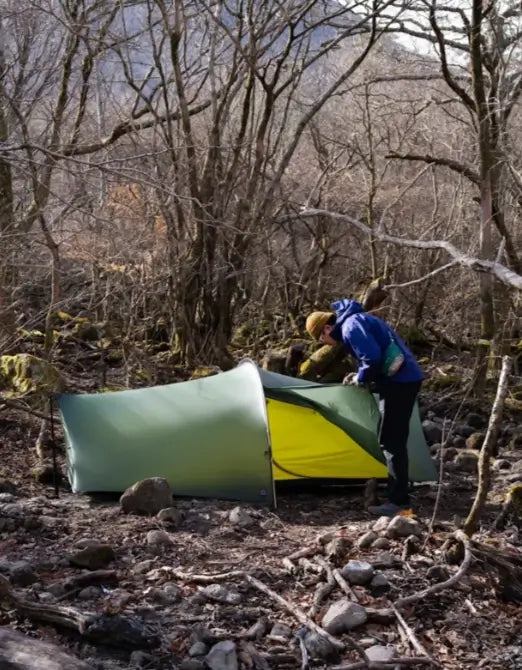
Why Solo Camping Appeals to So Many Campers
There is a reason solo camping keeps coming up in camping forums and comment sections. People often start by asking whether it feels lonely or awkward, then come back from a first trip surprised by how calm it was. Without a group schedule, the whole evening changes. Dinner happens when you want it to. A short walk can turn into an hour. Nobody minds if you sit outside the tent doing very little.
For beginners, that quiet can feel unusual at first. Most people are used to filling empty time. On a solo camp, the empty time is often the point.
Start with an Easy First Night
For a first trip, it is sensible to keep things simple. Pitchup’s advice to begin on an official campsite is worth following. A small campsite close to home gives a new solo camper enough independence to build confidence, but not so much pressure that every small problem feels serious.
One night is enough. Arrive in daylight, pitch the tent slowly, make a basic meal, and see how the evening feels. A successful first solo camping trip does not need a dramatic mountain view. It only needs to prove that the camper can manage the basics alone.
Practice the Tent Beforehand
This is one of those boring tips that experienced campers repeat because it saves trouble. A tent that seems obvious in the living room can feel confusing when the wind picks up and the light starts fading. Practising once before the trip makes the first evening much smoother.
Safety Without Overthinking It
Good solo camping safety is mostly common sense. Someone should know where the camper is going and when they expect to be back. A charged phone, power bank, headtorch, warm layer and first aid kit should be packed. Offline maps are useful, especially in parts of the UK where phone signal disappears without warning.
For solo camping UK trips, the biggest risk is often not other people. It is weather. Rain, damp grass and cold wind can turn an easy night uncomfortable. Waterproofs, dry socks and a warm layer are not optional extras in British conditions.
Choosing a Pitch
A good pitch makes the night easier. Flat ground is nice, but drainage matters more. Avoid hollows, obvious water channels and exposed spots if wind is forecast. On a campsite, many beginners prefer a pitch that feels quiet but not completely isolated.
What People Actually Do When They Solo Camp
A Reddit discussion on solo camping had a very ordinary but useful theme: people do simple things. They cook. They walk. They read. They drink coffee. They take photos. Some listen to podcasts. Some just stare at the fire or the view for longer than they expected.
That is probably the most honest answer to “what to do when solo camping”. You slow down. A meal takes longer. Packing away becomes part of the evening. The small jobs of camp life give the trip a rhythm.
Bring One Small Comfort
A book, journal, camera or downloaded podcast is enough. There is no need to carry a whole entertainment system into the hills. Many campers find that once they are outside, they use less entertainment than expected.
A Simple Beginner Checklist
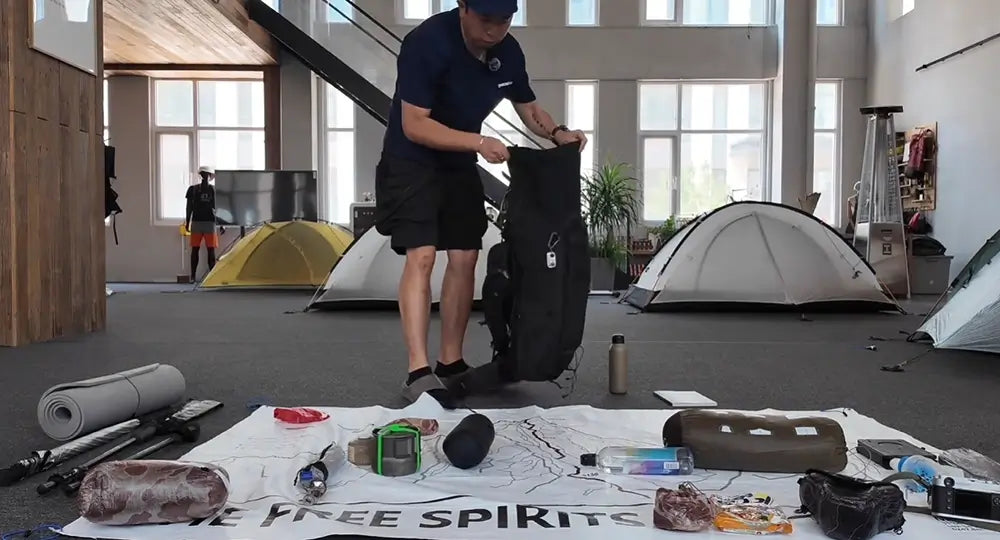
For a first solo camping trip, the kit can stay basic:
- Tent
- Sleeping bag
- Sleeping pad
- Waterproof jacket
- Warm layer
- Headtorch
- Stove and lighter
- Food and water
- First aid kit
- Phone and power bank
- Map or offline navigation
- Dry bags
- Rubbish bag
In colder UK weather, add gloves, hat, spare socks and an insulated jacket.
Gear That Makes Solo Camping Easier
The best gear is not always the lightest. It is the gear the camper can use without fuss. A one person tent is lighter, but a compact two person tent gives more space for wet kit and can feel less cramped on a rainy evening. A comfortable sleeping pad is worth carrying because poor sleep makes everything feel harder the next day.
A simple stove setup is enough: one gas stove, one pot, one spoon, one lighter and food that cooks quickly. Hot drinks are especially useful on a solo trip. They fill time, warm hands and make camp feel settled.
Final Thoughts
Solo camping does not need to be treated like a test of bravery. For most people, it is simply a quieter version of camping. The first trip might feel a little strange for the first hour, then the routine takes over: pitch the tent, cook, tidy up, watch the sky, sleep.
That is the part many solo campers end up liking most. Nobody is asking what comes next. There is no plan to negotiate. Just a tent, a small patch of ground, and the rare feeling of being left alone in a good way.

Leave a comment
All comments are moderated before being published.
This site is protected by hCaptcha and the hCaptcha Privacy Policy and Terms of Service apply.