
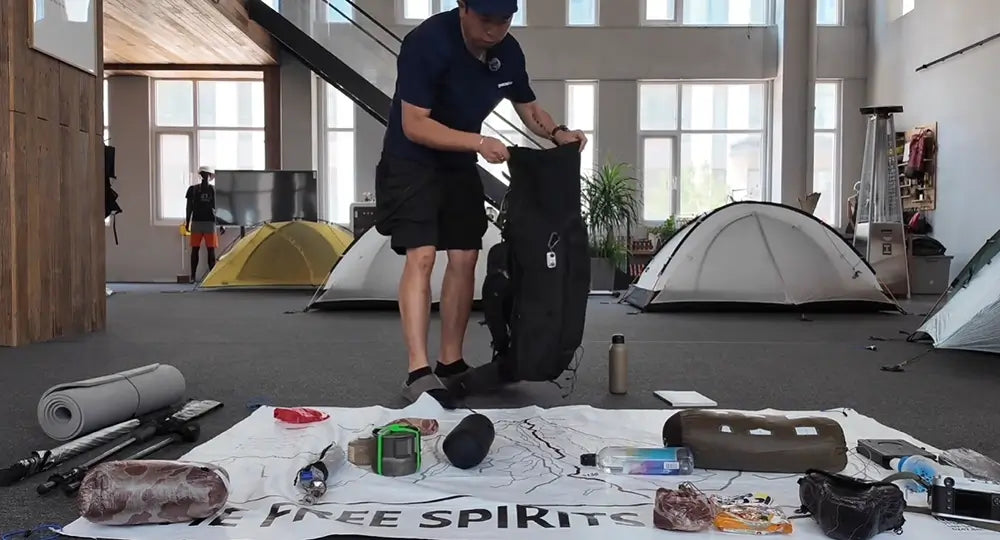
Why the Right Backpack Matters
Learning how to choose a backpack sounds simple until someone is halfway up a wet Lake District path with sore shoulders, a swinging load and a rain jacket buried at the bottom of the pack. A backpack is not just a bag. For UK hikers and backpackers, it is the thing that carries waterproofs, food, shelter, sleep gear and small safety items through rain, wind, mud and long descents.
Most experienced walkers eventually say the same thing: the best backpack is not always the biggest, lightest or most expensive one. It is the pack that fits your body, suits your trips and carries weight without making every mile feel harder.
Choose Capacity Based on Real Trips
A common mistake is buying for the imaginary expedition rather than the walks actually being done. REI’s backpack guide breaks capacity down by trip length, while Cotswold Outdoor gives a useful UK walking perspective.
For short walks and everyday hill days, a 10 to 35 litre daypack is usually enough for water, snacks, waterproofs and a warm layer. For longer UK hillwalking days, many people find 20 to 40 litres more useful because there is room for gloves, spare socks, lunch, a headtorch and safety kit.
For overnight wild camping or multi day backpacking, look at 50 litres and above. A compact summer setup may fit into 40 to 50 litres, but cold and wet UK conditions often need more space. Extra layers, a warmer sleeping bag, cooking gear and a tent quickly fill a pack.
A Practical UK Capacity Guide
- 10 to 25 litres: short walks, fast hikes, summer day trips
- 25 to 40 litres: UK hillwalking, winter day hikes, wet weather routes
- 40 to 50 litres: light overnight trips with compact gear
- 50 to 65 litres: weekend backpacking and UK wild camping
- 65 litres plus: longer trips, winter camping or bulkier equipment
Fit Comes Before Features
If there is one rule for how to choose a backpack, it is this: fit matters more than clever pockets. REI and AMC both stress that torso length is more important than overall height. A tall person can have a short torso, and a shorter person can need a longer back system.
The hip belt should sit on the hip bones, not around the soft waist. AMC notes that the hips should carry most of the pack weight. When the hip belt works properly, the shoulders guide the pack rather than carrying the whole load.
What Good Fit Feels Like
A well fitted backpack should feel close to the body. It should not pull backward, bounce around or dig into the shoulders. The shoulder straps should lie smoothly, the sternum strap should stabilise rather than squeeze, and the load lifters should bring the upper pack gently toward the back.
A good shop assistant will usually load the pack before fitting it. That matters. An empty pack can feel perfect. Add 10 or 15 kg, and the truth appears very quickly.
Think About UK Weather
A backpack does not need to be fully waterproof, but UK hikers should assume it will get wet. Rain covers help, but they are not perfect. Wind can lift them, water can run down your back, and seams or zips can still leak.
For British weather, the better system is usually a pack liner or dry bags inside the rucksack. Keep sleeping bags, spare clothing, electronics and insulation protected first. Cotswold Outdoor also points out that fabrics and waterproof technologies vary widely, from basic water repellent coatings to more serious waterproof construction.
Useful Wet Weather Features
A large front pocket is handy for wet waterproofs. Side pockets should hold water bottles securely. Hip belt pockets are good for snacks, lip balm, compass or gloves. Simple access often beats complicated organisation when rain is coming sideways.
Frame and Back System
Most hiking and backpacking packs now use internal frames. They keep the load close and help with balance on rough ground. Frameless packs can work for ultralight hikers, but they are less comfortable when loads get heavier.
Ventilated mesh backs are popular because they reduce sweat. They are useful for warm days and long climbs, but they can move the load slightly farther from the body. For scrambling, windy ridges or heavier backpacking loads, some walkers prefer a closer fitting back system.
Features Worth Having
Not every feature is useful. Some just add weight. But a few details make life easier on UK trails.
A good hip belt is important for backpacking loads. Compression straps help stop the pack from bulging and shifting. Trekking pole attachments are useful if routes include hands on scrambling or long road sections. A floating lid can add flexibility for extra food or layers. A bottom sleeping bag compartment is convenient, though many lightweight hikers prefer one main compartment with dry bags.
Do Not Overbuy Features
A third person watching new hikers in an outdoor shop would notice something funny: people often get excited by zips, pockets and straps before checking whether the pack actually fits. Features are helpful only after the carry system works.
Pack Weight and Comfort
A lighter backpack is attractive, but it should still support the load you plan to carry. A very light pack with a thin hip belt may feel fine with 6 kg, then become miserable at 14 kg. AMC’s guide also notes how quickly total load increases once food, water and camping gear are added.
For UK backpacking, comfort over long damp miles usually matters more than shaving every gram from the pack itself. The best weight saving often comes from carrying less unnecessary kit, not from choosing a pack too light for the job.
Final Thoughts
How to choose a backpack comes down to four questions. What trips will it be used for? How much gear must it carry? Does it fit the body properly? Can it handle UK weather?
For most UK hikers, the right backpack is practical rather than flashy. It has enough space without encouraging overpacking. It keeps weight on the hips. It protects important gear from rain. It feels stable on rough paths and comfortable after several hours, not just five minutes in a shop.
That is the pack worth buying.

Leave a comment
All comments are moderated before being published.
This site is protected by hCaptcha and the hCaptcha Privacy Policy and Terms of Service apply.