
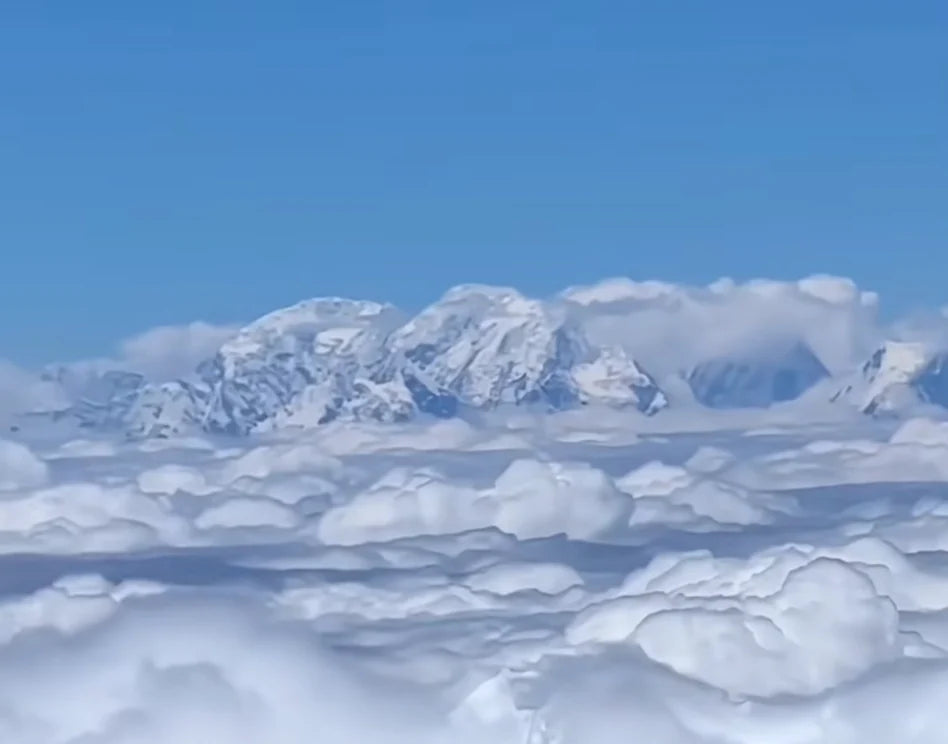
A Mountain That Is More Than a Landmark
In Sikkim, the mountain is not just a view. It is a presence.
For many visitors, Kangchenjunga is the highest thing on the horizon. For people in Sikkim, it is also tied to identity, faith, ritual, and memory. UNESCO describes the surrounding landscape as a sacred region where nature, myth, and culture are deeply interwoven.
That is why discussions about this mountain often go beyond trekking and climbing. They also touch on reverence, taboo, and the proper way to behave in a sacred place.
Why the Mountain Is Sacred
The sacred status of the mountain comes from a mix of Buddhist, Lepcha, and broader Sikkimese traditions. UNESCO notes that the landscape around Khangchendzonga is seen as a hidden sacred land, or beyul, in Tibetan Buddhism, and as Mayel Lyang in Lepcha tradition.
This is not a symbolic label added later for tourism. It is part of the cultural fabric of the region.
In Sikkimese belief, the mountain is often treated as the guardian deity of the land. The government of Sikkim’s tourism pages also describe Mount Khangchendzonga as the guardian deity, especially in the context of local festivals.
Mayel Lyang and Beyul
Two ideas come up again and again when talking about the sacred landscape:
Mayel Lyang is a Lepcha concept for an ideal or blessed land.
Beyul is a Tibetan Buddhist idea of a hidden sacred valley or land.
Both ideas help explain why the mountain is not viewed as ordinary terrain. The forests, rivers, lakes, peaks, and valleys around it are part of a larger sacred geography.
That is why the region feels different from many other Himalayan destinations. You are not only entering a mountain zone. You are entering a cultural world with its own boundaries and meanings.
Rituals and Festivals
One of the clearest expressions of respect is Pang Lhabsol, a unique Sikkimese festival that commemorates the consecration of the mountain as guardian deity of the state.
According to the Government of Sikkim, this festival honors the protective deities of Sikkim and is closely tied to the mountain’s sacred role. Other rituals, including Nay-Sol, also connect people to the landscape and its spiritual order.
These traditions show that the mountain is not a passive object of devotion. It is active in the religious imagination of the region.
Why Taboos Matter
In sacred landscapes, taboos are not random rules. They are forms of respect.
In practice, that means visitors should avoid treating the region as if it were just another scenic backdrop. The mountain is not a place for casual disrespect, loud behavior, littering, or careless photo-taking.
Common signs of respect include:
- Staying on marked trails
- Not disturbing ceremonies or prayer sites
- Asking before photographing people or rituals
- Not leaving waste behind
- Using local guides and services
- Speaking about the area with care
These may sound like ordinary travel manners, but here they carry extra weight.
Why Climbers Talk About Restraint
The cultural meaning of the mountain also affects mountaineering. The best-known example is the long-standing tradition of stopping short of the true summit in deference to local beliefs.
That practice is part of a broader ethic: this is a place where achievement should not erase reverence.
For climbers, that means success is not only about reaching a point on the ridge. It is also about understanding where one is standing, culturally as well as physically.
The Living Landscape
One reason UNESCO gave the region world heritage status is that it is both natural and cultural. The park is known for its biodiversity, but also for the way local communities have kept a living relationship with the landscape.
That relationship includes traditional ecological knowledge, ritual forest management, and a sense that the environment is part of social order, not separate from it.
In other words, this is not “nature” in the abstract. It is nature understood through generations of belief and practice.
What Respectful Travel Looks Like
If you are trekking or visiting the region, respect is not complicated.
It looks like:
- Hiring local people when possible
- Learning basic cultural context before arrival
- Following park and permit rules
- Treating sacred sites seriously
- Supporting small community businesses
- Leaving no trace
A respectful traveler does not need to perform reverence. They just need to act like they understand that they are a guest.
Why This Matters to Visitors
Many travelers come for the scenery and stay for the feeling. The beauty is obvious. The culture is what gives the place depth.
If you only see the mountain as a summit or a photo stop, you miss half the story. But if you understand its role in Sikkimese life, the landscape becomes much richer.
That is the real gift of this region. It asks you to slow down and pay attention.
Final Thoughts
The mountain matters in Sikkim because it is not only high, but sacred. It lives in festivals, stories, rituals, and local identity. It shapes how people move, speak, and remember the land.
For visitors, that creates a simple responsibility: come with curiosity, but also with care.
Kangchenjunga is one of the Himalaya’s great natural landmarks. In Sikkim, it is also a moral one.
FAQ
Why is Kangchenjunga sacred in Sikkim?
Because it is tied to Lepcha and Tibetan Buddhist traditions, including the ideas of Mayel Lyang and beyul, and is regarded as the guardian deity of the land.
What is Pang Lhabsol?
It is a Sikkimese festival that honors the mountain and the protective deities of the state.
What should visitors avoid?
Littering, disturbing rituals, behaving disrespectfully at sacred sites, and treating the area like a casual tourist backdrop.
Is the mountain part of UNESCO heritage?
Yes. Khangchendzonga National Park is a UNESCO World Heritage site recognized for both natural and cultural significance.
Why does this matter for trekkers?
Because the trekking experience is not only scenic. It is also cultural, and respectful behavior is part of responsible travel.

Leave a comment
All comments are moderated before being published.
This site is protected by hCaptcha and the hCaptcha Privacy Policy and Terms of Service apply.