
Quick Answer
The south side of Everest is in Nepal. The classic route climbs from Everest Base Camp through the Khumbu Icefall, Western Cwm, Lhotse Face, South Col and Southeast Ridge. The north side is in Tibet, China. The classic route climbs from the north base area and Advanced Base Camp toward the North Col, North Ridge and Northeast Ridge.
In simple terms, the south side is more commercial, better known, culturally richer and more commonly used by guided expeditions, but it has the serious risk of the Khumbu Icefall and larger crowds. The north side is colder, windier, more remote and often feels more severe, with a longer high altitude ridge style climb and stricter access control.
So the Everest south side vs north side question is not just about which route is easier. It is about two very different ways of experiencing the same mountain.
Where Is the South Side of Everest
The south side of Everest is in Nepal’s Khumbu region, inside Sagarmatha National Park. Most travellers reach it by flying from Kathmandu to Lukla, then trekking through Namche Bazaar, Tengboche, Dingboche and Lobuche before arriving at Everest Base Camp.
For ordinary travellers, this is the famous Everest Base Camp Trek. For climbers, it is the starting point for the South Col route, currently the most widely used commercial climbing route on Everest.
The Nepal side has a lively mountain culture. There are Sherpa villages, tea houses, monasteries, suspension bridges, yak trains, trekking groups and expedition teams. It feels like a living mountain corridor rather than an empty wilderness.
Where Is the North Side of Everest
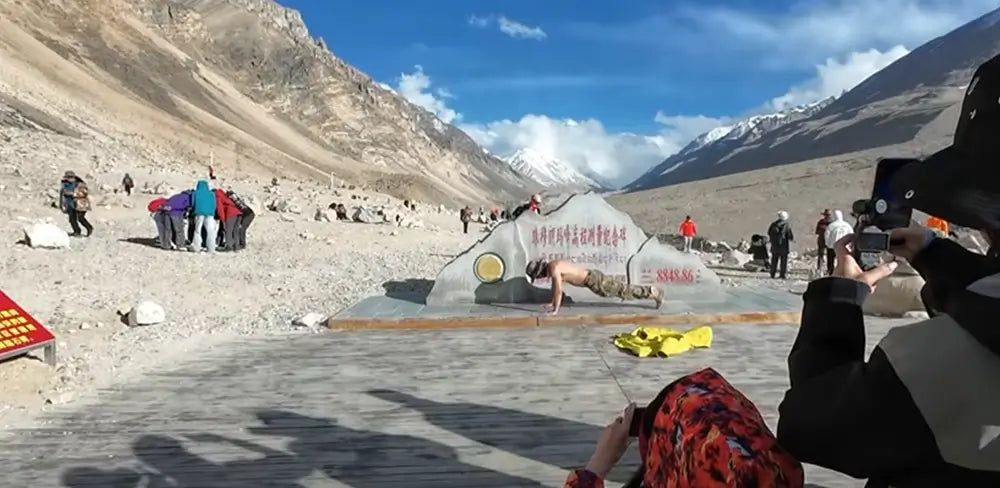
The north side of Everest is in Tibet, China, near Tingri County in Shigatse. Travellers usually approach from Lhasa through Shigatse and Tingri toward the Everest viewing area and Rongbuk Monastery region.
The Tibet side feels wider, colder, drier and more exposed. There are fewer villages along the climbing approach and a stronger sense of high plateau emptiness. The north face of Everest rises directly above a stark landscape of wind, rock, ice and open sky.
For many people, the north side feels more severe and more remote, even before the climbing begins.
How the Routes Are Different
South Side Route
The classic south side route usually follows this sequence:
Everest Base Camp
Khumbu Icefall
Camp 1
Western Cwm
Camp 2
Lhotse Face
Camp 3
South Col Camp 4
Balcony
South Summit
Hillary Step area
Summit
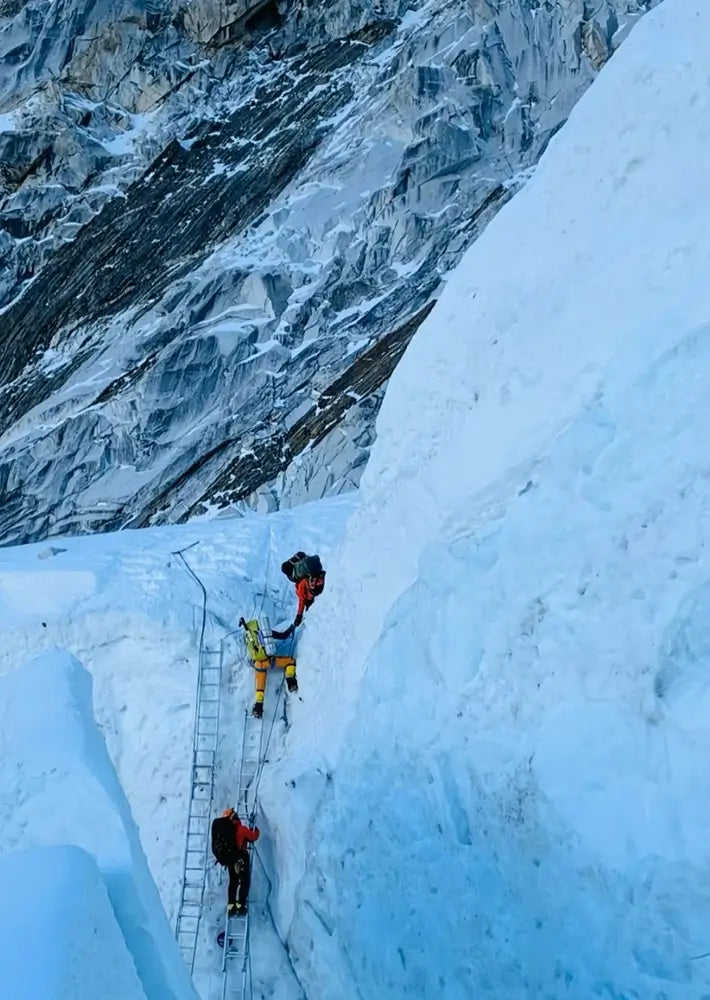
The most famous danger on the south side is the Khumbu Icefall. It is a moving glacier zone with crevasses, ice towers, ladders and constant objective risk. Climbers usually try to cross it early in the morning when the ice is colder and more stable.
North Side Route
The classic north side route usually follows this pattern:
North Base Camp
Advanced Base Camp
North Col
Higher camps on the North Ridge
Northeast Ridge
First Step
Second Step
Third Step
Summit
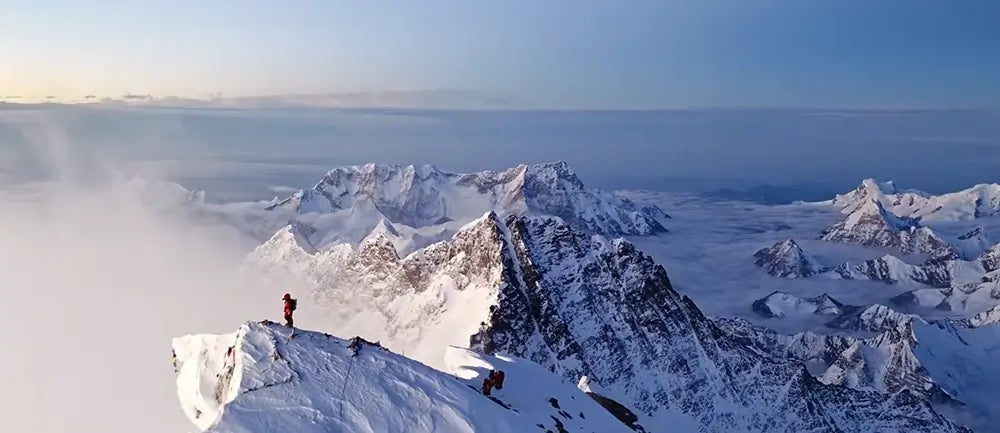
The north side avoids the Khumbu Icefall, but that does not make it easy. It has colder conditions, stronger winds, exposed ridge climbing and a long summit push. The Second Step is one of the most famous technical features on the route.
Which Side of Everest Is Harder
There is no perfect answer.
The south side is often considered more practical for commercial expeditions because the support system is more developed and the approach trek allows gradual acclimatisation. However, the Khumbu Icefall remains one of Everest’s most dangerous sections, and crowding can become a major issue during short summit weather windows.
The north side avoids the Icefall, but it is generally colder, windier and more exposed. The summit day can feel longer, the ridge sections are more severe, and rescue options are more limited.
A fair comparison looks like this:
- South side risk: Khumbu Icefall, crowds, avalanche exposure, busy summit windows
- North side risk: cold, wind, long ridge climbing, technical steps, harder evacuation
- South side advantage: mature logistics and Sherpa support
- North side advantage: no Khumbu Icefall and often fewer climbers
- Both sides: extreme altitude, oxygen management, weather risk and serious objective danger
Scenery and Experience
The south side offers a richer trekking experience. Even people who never plan to climb the summit often walk to Nepal’s Everest Base Camp because the journey itself is famous. The route passes Sherpa villages, Buddhist monasteries, glaciers and views of Ama Dablam, Lhotse, Nuptse and Pumori.
The north side is more direct and austere. The view of Everest’s north face from Tibet is one of the most powerful mountain views in the world. It feels less like a village-to-village trek and more like standing on a high plateau in front of a giant wall of rock and ice.
For travellers, the south side is usually better for trekking culture. The north side is better for road access, high plateau scenery and a direct view of Everest.
Cost and Permit Differences
The Nepal side is managed by Nepal’s Department of Tourism, and climbers need official permits and expedition arrangements. Permit fees and regulations can change, so anyone planning an expedition should always check current official information.
The Tibet north side is managed under Chinese and Tibetan mountaineering regulations. Access is generally stricter, and climbers may need to show strong previous high altitude experience and apply through approved channels.
Neither side is a casual independent climbing route. Everest cannot be treated like a normal backpacking trip where you simply turn up and start climbing.
Rescue and Safety Differences
The south side has a more developed rescue and expedition infrastructure, especially around the Khumbu region and lower altitude areas. Helicopter evacuation is more common on the Nepal side, though it becomes much harder at extreme altitude.
The north side is more limited in rescue options because of altitude, terrain, weather and access. Once a climber is high on the ridge, evacuation can be extremely difficult.
On both sides, the safest strategy is not to depend on rescue. Above 8000 metres, help may be slow, limited or impossible.
Which Side Should Travellers Choose
If you are not climbing and only want to see Everest, your choice depends on the kind of journey you want.
Choose the Nepal south side if you want:
- A classic Everest Base Camp trek
- Sherpa villages and tea house culture
- A gradual walking journey
- Himalayan trekking atmosphere
- Around two weeks for the trip
Choose the Tibet north side if you want:
- Road access to Everest views
- High plateau scenery
- Direct views of Everest’s north face
- A shorter travel style than the Nepal trek
- A Tibetan cultural and landscape experience
If your goal is to climb Everest, the decision becomes much more serious and depends on permits, operator access, experience, safety support, route conditions and the current year’s regulations.
Final Thoughts
The biggest difference between Everest’s south side and north side is not just geography. It is the whole character of the climb.
The south side in Nepal is more commercial, more culturally rich and more commonly used, but it carries the serious risk of the Khumbu Icefall and crowding. The north side in Tibet is colder, windier, more remote and more controlled, with a longer ridge style climb and a harsher high altitude atmosphere.
For trekkers, the south side may feel more human and immersive. For travellers who want a direct view from the Tibetan Plateau, the north side can be unforgettable. For climbers, both sides demand respect.
Everest has more than one face. The south and north sides are two very different ways of meeting the same highest mountain on Earth.

Leave a comment
All comments are moderated before being published.
This site is protected by hCaptcha and the hCaptcha Privacy Policy and Terms of Service apply.