
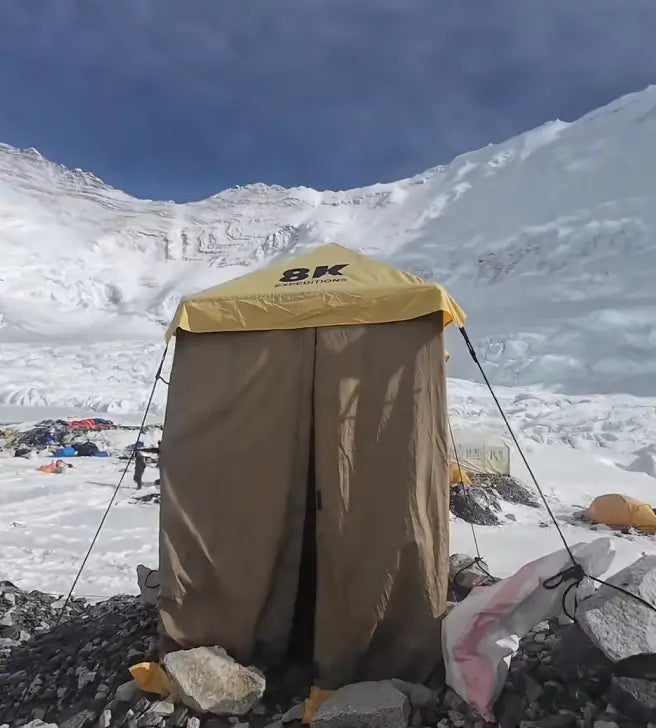
A lot of trekkers expect the hardest part of the Everest Base Camp trek to be the uphill climbs, the cold or the altitude. In reality, one of the most disruptive problems is often the stomach.
You may not be too weak to walk. You may simply feel bloated, nauseous, off your food, or caught out by diarrhoea after one bad meal or one questionable glass of water. In the Himalayas, that can affect the whole rhythm of the trek.
The good news is that food on the EBC route is generally workable. The bad news is that high altitude, fatigue, changing water sources and basic hygiene conditions can make your digestive system more sensitive than usual.
Quick Answer
The safest approach on the Everest Base Camp trek is to eat freshly cooked hot food, avoid raw or risky items, wash your hands properly, and drink only treated water. Carry oral rehydration salts and your usual stomach medicines.
If you develop severe diarrhoea, vomiting, fever, blood in the stool or clear signs of dehydration, tell your guide and consider descending or getting medical help.
Why Stomach Problems Are Common on the EBC Trek
The Everest Base Camp trek is not city travel. You are sleeping at different altitudes, recovering more slowly, eating simpler food and dealing with changing water and toilet conditions. On top of that, altitude itself can reduce appetite and cause nausea.
CDC high-altitude guidance notes that lack of appetite and nausea are common at altitude. So sometimes what feels like “a stomach bug” is partly your body reacting to thinner air.
What to Eat on the EBC Trek
Teahouse menus along the route are usually simple and familiar. Common options include:
- Dal bhat
- Fried rice or plain rice
- Noodles and soup noodles
- Potatoes
- Eggs
- Porridge
- Soups
- Dumplings
- Oats
The most reliable meals are usually hot, freshly prepared and easy to digest. Many trekkers rely on dal bhat because it is filling, warm and usually easier on the stomach than heavier or greasy dishes.
When it comes to Everest Base Camp trek food safety, a useful rule is simple: choose hot food that is cooked now, not something that has been sitting around.
Foods to Be Careful With
Not everything that looks available is worth the risk.
Be cautious with:
- Raw salads
- Unpeeled fruit
- Cold dishes that have been sitting out
- Dairy you are not confident about
- Undercooked meat
- Ice from unknown sources
- Leftovers that are no longer hot
If a dish is cool, old-looking or uncertain, it is better to skip it. A cautious decision in the mountains is usually cheaper than one bad night later.
Water Safety Matters a Lot
Many EBC trek stomach problems are linked to water. When people are tired, thirsty or rushing between villages, they may drink untreated water because it looks clean.
Safer options include:
- Boiled water
- Filtered water
- Water treated with purification tablets
- A personal filter bottle or system
Do not assume clear water is safe water. At altitude, dehydration can make everything worse, and diarrhoea can make dehydration happen very fast.
Hand Hygiene Is One of Your Best Defences
A small bottle of hand sanitiser can do a lot of work on the trail. Use it:
- Before eating
- After using the toilet
- After handling shared surfaces
- Before preparing food
- After coming back from outside
If soap and water are available, use them. If not, alcohol-based sanitiser is still better than nothing. CDC food and water guidance for travellers strongly supports proper handwashing as a key prevention step.
How to Eat When Your Stomach Already Feels Off
If you already feel sick, the first goal is not nutrition perfection. The first goal is keeping fluids down and avoiding further irritation.
Usually easier foods are:
- Hot soup
- Plain rice
- Porridge
- Noodles
- Potatoes
- Simple eggs
- Toast or soft bread
Eat small amounts often instead of forcing a full meal. Many trekkers make the mistake of eating nothing at all, then feel worse the next day.
When Should You Take Medicine?
For mild diarrhoea, the main priority is often rest and rehydration. CDC travel medicine guidance does not recommend routine antibiotics for mild travellers’ diarrhoea. The bigger issue is whether symptoms are mild, moderate or severe.
It is sensible to carry:
- Oral rehydration salts
- A basic anti-diarrhoeal medicine
- Usual stomach remedies
- Any personal prescription medicine
- A thermometer
But if symptoms worsen, especially with fever, blood in the stool, vomiting or inability to keep fluids down, do not manage it alone for too long. Tell your guide.
Altitude Loss of Appetite vs Real Stomach Illness
This is an important distinction.
Altitude itself can cause:
- Reduced appetite
- Nausea
- Poor sleep
- Mild stomach upset
- Fatigue
A stomach infection or food issue is more likely if you also have:
- Diarrhoea
- Cramping
- Fever
- Vomiting
- Strong abdominal pain
The two conditions can overlap, but they are not identical. The response is different too. Altitude issues may improve with rest and slower pacing. True stomach illness needs more attention to hydration and possible descent.
Choosing Safer Teahouses and Meals
If you want to reduce risk, choose teahouses where food turnover seems decent and the kitchen looks active.
Simple signs of a safer choice:
- The dining room is busy
- Food is cooked fresh
- The kitchen appears reasonably clean
- Hot drinks are available
- Water supply seems organised
- The lodge has a good reputation with trekkers
Do not choose only on price. A cheap meal that leaves you sick can cost you far more in lost time and energy.
A Practical Stomach-Safety Kit
Useful items to carry:
- Oral rehydration salts
- Hand sanitiser
- Wet wipes
- Tissues
- Basic anti-diarrhoeal medicine
- Personal prescription medication
- Thermometer
- Small sealed rubbish bag
These items are light, but they can save a trek.
When Should You Descend?
Do not push through serious symptoms.
Consider getting help or descending if you have:
- Repeated vomiting
- Bloody diarrhoea
- Fever
- Inability to drink
- Dizziness or weakness
- Worsening symptoms
- Clear dehydration
At altitude, waiting too long can turn a manageable issue into a bigger one. The mountain is not going anywhere.
Final Thoughts
Everest Base Camp trek stomach problems are common enough that every trekker should plan for them, but they are often avoidable or manageable if you are careful. Hot food, safe water, clean hands and a simple meal plan are usually better than trying to eat everything on the menu.
If you remember one line about Everest Base Camp trek food safety, make it this: eat hot, drink clean, keep it simple and do not be stubborn. The mountains already ask enough from your body. Your stomach does not need to add more drama.
Sometimes the best meal of the day is not the tastiest one. It is the one that sits well, warms you up and lets you walk again tomorrow.

Leave a comment
All comments are moderated before being published.
This site is protected by hCaptcha and the hCaptcha Privacy Policy and Terms of Service apply.