
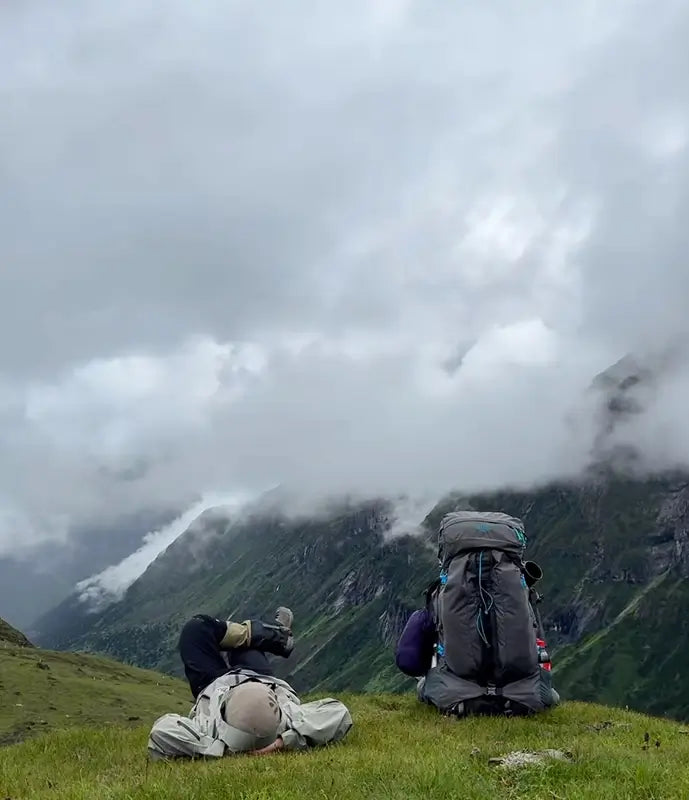
When people look at an Everest Base Camp itinerary, they often focus on the total number of days: 12 days, 14 days, 16 days. But what really shapes your experience is not only the total duration. It is how far you walk each day, where you sleep and how quickly you gain altitude.
The EBC trek is not a technical climb. Most sections do not require ropes, crampons or mountaineering skills. The challenge comes from altitude, repeated climbs and descents, changing weather and the slow fatigue of walking day after day.
You may walk only 8 or 10 kilometres on some days and still feel more tired than you would after 20 kilometres at home. That is normal. Your body is working in thinner air.
Quick Answer
On the classic Lukla-to-Lukla Everest Base Camp route, trekkers usually walk around 8 to 15 kilometres per day. Walking time is often 4 to 8 hours, depending on altitude, weather, fitness and trail conditions.
A good itinerary includes acclimatisation days in Namche Bazaar and Dingboche. The key is not just daily distance, but sleeping altitude and safe altitude gain.
Day 1: Lukla to Phakding
Distance: about 7 to 9 km
Walking time: about 3 to 4 hours
Altitude: Lukla about 2,860 m, Phakding about 2,610 m
The first day is usually gentle because the route mostly descends or rolls downhill. After the dramatic flight to Lukla, many trekkers feel excited and walk too fast. Try not to.
Use this day to settle in. Adjust your boots, pack, trekking poles and pace. The trail passes villages, prayer wheels, stone walls, suspension bridges and river views. It is a good introduction to the rhythm of the Khumbu.
Day 2: Phakding to Namche Bazaar
Distance: about 10 to 12 km
Walking time: about 5 to 7 hours
Altitude: Namche Bazaar about 3,440 m
This is where the trek begins to feel serious. The route follows the Dudh Koshi valley, crosses several bridges and then climbs steadily towards Namche Bazaar.
The altitude gain is much more noticeable than on day one. The final climb into Namche can feel long, especially if the sun is strong or your pack is heavy. Do not race. Namche is a major acclimatisation stop, and arriving in good condition matters more than arriving early.
Day 3: Acclimatisation in Namche Bazaar
Distance: about 3 to 8 km, depending on the walk
Walking time: about 2 to 5 hours
Sleeping altitude: Namche Bazaar, about 3,440 m
An acclimatisation day is not a rest day in the lazy sense. Many trekkers hike higher during the day, perhaps towards the Everest View Hotel or nearby viewpoints, then return to Namche to sleep.
This follows the classic “climb high, sleep low” idea. It helps your body adapt without increasing sleeping altitude too quickly.
For many people, this is also the first day they see Everest, Lhotse or Ama Dablam in clear weather.
Day 4: Namche Bazaar to Tengboche or Deboche
Distance: about 10 to 12 km
Walking time: about 5 to 6 hours
Altitude: Tengboche about 3,860 m, Deboche about 3,820 m
This is one of the most scenic days on the route. The first section contours along the hillside with big mountain views. Later, the trail descends before climbing again towards Tengboche.
Some itineraries sleep in Tengboche; others continue slightly down to Deboche. Deboche can feel a little more sheltered, while Tengboche has the famous monastery and open views. Both are common choices.
Day 5: Tengboche or Deboche to Dingboche
Distance: about 10 to 12 km
Walking time: about 5 to 6 hours
Altitude: Dingboche about 4,410 m
By this stage, the landscape begins to change. Trees thin out, the valley opens and the air feels colder and drier. Dingboche is one of the most important acclimatisation stops on the EBC trek.
Above 4,000 metres, pacing becomes more important. A trail that looks easy can still be demanding because your body is adapting to reduced oxygen.
Day 6: Acclimatisation in Dingboche
Distance: about 3 to 7 km, depending on route
Walking time: about 2 to 5 hours
Sleeping altitude: Dingboche, about 4,410 m
Many trekkers hike partway up Nangkartshang Hill on this day. The views towards Ama Dablam, Lhotse and Island Peak can be excellent.
The goal is not to prove how high you can go. The goal is to expose your body to a higher altitude, then return to Dingboche to sleep. If you have a strong headache, nausea or poor coordination, stop and descend.
Day 7: Dingboche to Lobuche
Distance: about 8 to 11 km
Walking time: about 5 to 6 hours
Altitude: Lobuche about 4,910 m
This day is shorter in distance but more demanding in altitude. The route passes Dughla and climbs to a memorial area for climbers who died in the Everest region. It is a quiet, sobering place.
By the time you reach Lobuche, sleep may be lighter and appetite may drop. Stay warm, drink regularly and rest early.
Day 8: Lobuche to Gorak Shep and Everest Base Camp
Distance: about 11 to 15 km return, depending on route
Walking time: about 7 to 9 hours
Altitude: Gorak Shep about 5,164 m, EBC about 5,364 m
This is one of the biggest days of the trek. Most itineraries walk from Lobuche to Gorak Shep, leave some gear at the lodge, continue to Everest Base Camp and return to Gorak Shep for the night.
The trail is not always steep, but the glacial terrain, loose rock, altitude and fatigue make it slow. Many trekkers reach EBC feeling quiet rather than dramatic. Take photos, enjoy the moment and return before you get too cold.
Remember: Everest Base Camp is not usually an overnight stop for trekkers. Gorak Shep is the sleeping point.
Day 9: Kala Patthar and Descent
Distance: about 12 to 18 km, depending on destination
Walking time: about 6 to 9 hours
Highest altitude: Kala Patthar about 5,545 m
Many trekkers climb Kala Patthar early in the morning for the classic Everest view. It is not technical, but the altitude, cold and steady slope make it hard.
After returning to Gorak Shep, most people descend towards Pheriche or Pangboche. Breathing becomes easier as you lose altitude, but knees and toes take more impact on the downhill. Trekking poles help a lot here.
Day 10 to Day 12: Return to Namche and Lukla
The return route is usually faster, but not effortless. A common descent pattern is:
- Pheriche or Pangboche to Namche Bazaar
- Namche Bazaar to Lukla
- Flight back to Kathmandu or Ramechhap
Daily distances may reach 14 to 20 km, with 6 to 8 hours of walking. Many people feel stronger as they descend, but blisters, tired legs and knee pain can appear late in the trek.
Do not mentally finish the trek too early. Lukla is still a long way from base camp.
Why Does EBC Feel Hard If the Distances Are Short?
There are several reasons.
Altitude slows everything down. Ten kilometres at 4,500 metres is not the same as ten kilometres at sea level.
The route also includes many ups and downs. Even when the itinerary says you are gaining altitude overall, you may descend into river valleys and climb out again.
Sleep and appetite can be affected by altitude. Poor recovery makes each day feel harder.
Weather matters too. Wind, snow, rain or strong sun can change the difficulty of the same section.
How to Know If an Itinerary Is Too Fast
Be careful with very short Everest Base Camp itineraries. They may look efficient, but altitude does not reward impatience.
Warning signs include:
- No acclimatisation day in Namche
- No acclimatisation day in Dingboche
- Large sleeping altitude gains
- Very long days above 4,000 metres
- No flexibility for weather or illness
- EBC and Kala Patthar squeezed too tightly together
For most trekkers, a slower itinerary is not weaker. It is smarter.
How to Walk Each Day More Comfortably
Simple habits help:
- Start early
- Walk slowly uphill
- Drink small amounts often
- Keep snacks accessible
- Add layers before getting cold
- Change out of damp clothes at the lodge
- Tell your guide about symptoms early
- Sleep as much as possible
- Treat acclimatisation days seriously
EBC is not about one heroic day. It is about steady effort over many days.
Final Thoughts
Everest Base Camp trek daily distance can look manageable on paper, but altitude gain is the real story. Lukla to Phakding is a warm-up. Phakding to Namche introduces the climb. Dingboche and Lobuche bring real altitude. The day to Everest Base Camp tests patience as much as fitness.
When choosing an itinerary, do not only ask how many kilometres you walk each day. Ask where you sleep, how quickly you gain altitude and whether the schedule gives your body time to adapt.
Fast is not the point on the EBC trek. Steady is the point. Walk at your own pace, listen to your body and let the mountain come closer day by day.


Leave a comment
All comments are moderated before being published.
This site is protected by hCaptcha and the hCaptcha Privacy Policy and Terms of Service apply.