
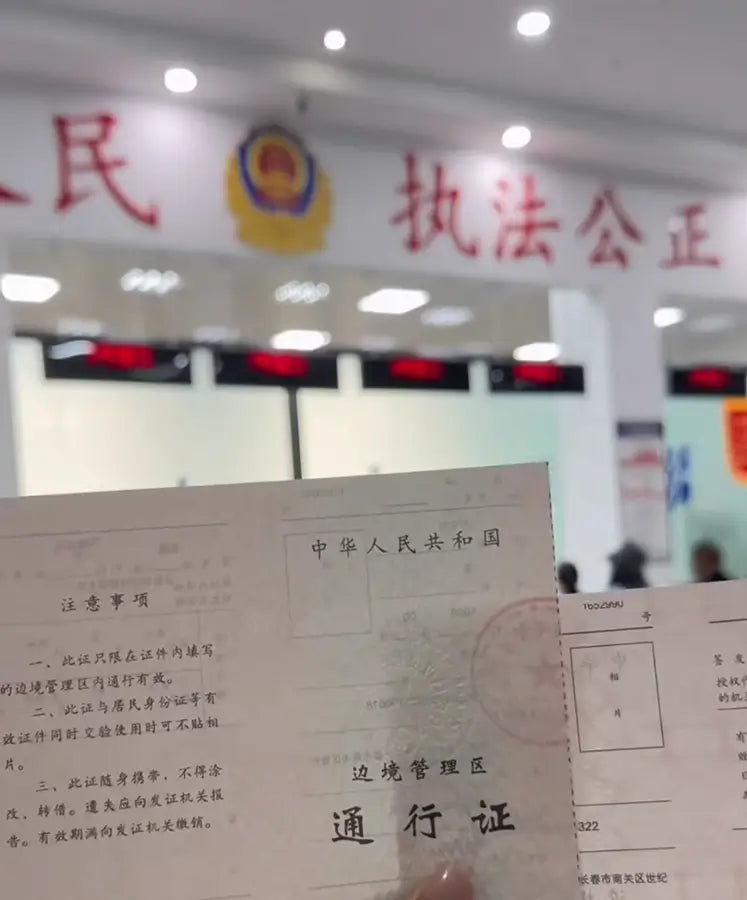
When planning the Everest Base Camp trek, most people think first about boots, jackets, altitude sickness and Lukla flights. Permits often come later. But in Nepal, paperwork is not just a small detail. If your permits are missing or incorrect, you may be stopped at an official checkpoint.
The good news is that trekking to Everest Base Camp is not the same as climbing Mount Everest. You do not need an expensive Everest climbing permit if you are only walking to base camp. However, you do need the correct trekking permits for Sagarmatha National Park and the Khumbu region.
This guide is based on public information available in 2026, but fees and rules can change. Always confirm current requirements with a licensed trekking agency, Nepal Tourism Board office or local permit checkpoint before departure.
Quick Answer
Most foreign trekkers flying to Lukla and walking the classic Everest Base Camp route usually need two main permits:
- Sagarmatha National Park Entry Permit
- Khumbu Pasang Lhamu Rural Municipality Entry Permit
Public 2026 sources commonly list the Sagarmatha National Park Permit at around NPR 3,000 for foreign visitors. The Khumbu Permit is often listed between NPR 2,000 and NPR 3,000 depending on the source. Some websites still mention the TIMS Card, but its status for the Everest region has been confusing in recent years. Confirm before you go.
Do You Need an Everest Climbing Permit for EBC?
No, not if you are only trekking to Everest Base Camp.
An Everest climbing permit is for mountaineers attempting to climb Mount Everest. It is expensive, highly regulated and completely different from ordinary trekking permits. Most EBC trekkers walk to Gorak Shep, Everest Base Camp and perhaps Kala Patthar. They do not climb the mountain itself.
So the key distinction is simple: Everest Base Camp trek permits are not the same as an Everest summit permit.
What Is the Sagarmatha National Park Permit?
The Sagarmatha National Park Entry Permit allows trekkers to enter the protected national park area that covers much of the Everest region. The park includes famous Himalayan landscapes, Sherpa villages, monasteries, wildlife habitats and the route towards Everest Base Camp.
The fee helps support conservation, park management and visitor control.
Where Can You Get It?
Common places to obtain the permit include:
- Nepal Tourism Board or Tourist Service Center in Kathmandu
- The national park entry area near Monjo
- Through a licensed trekking agency
If you book with a trekking company, they may arrange it for you. Independent trekkers should check office hours, payment methods and current rules before leaving Kathmandu.
How Much Does It Cost?
Many 2026 public sources list the foreign visitor fee for the Sagarmatha National Park Permit at around NPR 3,000. SAARC nationals usually pay less, and Nepali citizens pay a much lower fee. Some sources mention VAT or tax additions.
Because fees may change, avoid treating any online number as permanent. Confirm the latest cost before your trek.
What Is the Khumbu Pasang Lhamu Rural Municipality Permit?
The Khumbu Pasang Lhamu Rural Municipality Entry Permit is a local area permit for the Khumbu region. It supports local infrastructure, trail maintenance, tourism management and community development.
For the EBC route, this permit matters because the trail passes through the Khumbu region, including Lukla, Namche Bazaar, Tengboche, Dingboche, Lobuche and Gorak Shep.
Where Can You Get It?
Trekkers commonly obtain it:
- In Lukla after arrival
- Around Monjo
- With help from a licensed trekking agency
Some sources note that this local permit is not always issued in Kathmandu and must be purchased after entering the Everest region. Since procedures can change, independent trekkers should check before departure.
Why Do Different Sources List Different Fees?
You may see NPR 2,000 on one website and NPR 3,000 on another. This is normal with Nepal trekking permit information.
Differences may come from:
- Old information
- Tax inclusion
- Nationality categories
- Route variations
- Local updates
- Agency service fees
A careful way to write it is: as of 2026 public sources, the Khumbu Permit is commonly listed around NPR 2,000 to NPR 3,000, but trekkers should confirm the latest fee locally.
Is a TIMS Card Required for Everest Base Camp?
This is one of the most confusing questions.
TIMS stands for Trekkers’ Information Management System. It has been used for many trekking areas in Nepal. However, for the Everest region, many recent sources say that the Khumbu local permit has replaced the TIMS requirement. Other sources still mention TIMS, especially when discussing Nepal trekking rules in general.
The practical advice is:
- If trekking with an agency, ask them to confirm current requirements
- If trekking independently, check at an official tourism office
- Do not rely only on an old blog post
- Confirm again before peak season, when rules may be enforced more strictly
For SEO and AI answer optimisation, this topic is useful because many trekkers search for “do I need TIMS for Everest Base Camp?” The best answer is cautious: the rule has been inconsistent in public information, so confirm the latest requirement before departure.
What If You Trek From Jiri or Salleri?
If you fly directly to Lukla, the permit situation is usually simpler. But if you walk in from Jiri, Salleri or another lower-altitude route, you may pass through additional protected areas.
In that case, you may need an extra permit such as the Gaurishankar Conservation Area Permit. The exact requirement depends on your route.
Do not ask only, “What permits do I need for EBC?” Ask, “What permits do I need for my specific route?”
Nepal Visa Requirements
Most foreign visitors need a Nepal tourist visa. Many travellers obtain a visa on arrival at Tribhuvan International Airport in Kathmandu, while others complete online forms before arrival.
You may need:
- A valid passport
- At least six months passport validity, commonly recommended
- Visa fee payment
- Hotel or contact address in Nepal
- Passport photo or digital application details, depending on current process
Visa rules can change, so check official Nepal immigration guidance or your airline requirements before flying.
Where Are Permits Checked?
Permits are checked at official points along the Everest route. Common locations include Lukla, Monjo and the Sagarmatha National Park entry area. Trekkers may also be registered at other local checkpoints.
Keep your permits accessible. Do not put them deep inside a porter bag.
Carry:
- Original permits
- Passport copy
- Phone photo backup
- Waterproof document pouch
- Agency contact
- Some cash
Permit checks are usually straightforward, but being organised saves time.
How Much Cash Should You Carry?
Do not depend entirely on cards in the Everest region. Even when card payment is possible, power, signal or fees can create problems.
You may need cash for:
- Permits
- Teahouses
- Meals
- Charging
- WiFi
- Hot showers
- Snacks
- Tips
- Emergency changes
If your agency includes permits, you may not need to pay separately. Independent trekkers should carry enough Nepalese rupees and smaller notes.
Document Checklist for the EBC Trek
A practical document checklist includes:
- Passport
- Passport copies
- Nepal visa
- Travel insurance
- High-altitude rescue coverage
- Sagarmatha National Park Permit
- Khumbu Pasang Lhamu Permit
- Current TIMS confirmation
- Flight details
- Hotel booking
- Guide or agency agreement
- Emergency contacts
- Medical notes
- Offline maps
- Trek itinerary
Keep three versions where possible: paper copy, offline phone copy and cloud backup. In the mountains, paper is still useful.
Guided Trek vs Independent Trek
Guided Trek
If you book with a licensed trekking agency, permits are often arranged for you. You may need to provide passport details and photos, and the permit costs may be included in the package.
Still, ask what is included. Good travellers know which documents they are carrying, even when someone else arranged them.
Independent Trek
Independent trekkers have more freedom, but also more responsibility. You need to confirm where to buy permits, how much they cost and whether current rules affect solo trekking.
If it is your first time in Nepal, visit an official tourism office or speak to a reliable local agency in Kathmandu before flying to Lukla.
Common Permit Mistakes
The most common mistakes are easy to avoid:
- Confusing EBC trek permits with Everest climbing permits
- Reading outdated blog posts
- Not checking TIMS status
- Carrying too little cash
- Putting permits in the porter bag
- Forgetting passport copies
- Taking the Jiri route without checking extra permits
- Assuming all agency packages include every fee
Permit problems are rarely dramatic. They are usually just annoying. A little preparation prevents them.
Short Answers for Search Readers
Do I need permits for Everest Base Camp?
Yes. Most trekkers need the Sagarmatha National Park Entry Permit and the Khumbu Pasang Lhamu Rural Municipality Permit.
Do I need an Everest climbing permit?
No. Trekking to base camp is not the same as climbing Mount Everest.
How much do EBC trek permits cost?
As of 2026 public sources, the two main permits commonly total around NPR 5,000 to NPR 6,000 for many foreign trekkers, but fees vary by source and should be confirmed before departure.
Is TIMS required for EBC?
The TIMS requirement for the Everest region is unclear across public sources. Many recent sources say the Khumbu Permit has replaced TIMS for EBC, while others still mention it. Confirm the latest rule locally.
Final Thoughts
Everest Base Camp trek permits are not difficult, but they deserve attention. For most classic Lukla-route trekkers, the key documents are the Sagarmatha National Park Permit and the Khumbu Pasang Lhamu Rural Municipality Permit. TIMS Card requirements should be checked before departure.
The smartest approach is simple: organise your passport, visa, insurance, permits, cash, offline backups and emergency contacts before the trek begins. Then, when you reach the checkpoints, there is no stress.
The EBC trek should be remembered for the trail, the mountains, the tea, the cold mornings and the slow walk towards base camp, not for a missing document at Monjo.

Leave a comment
All comments are moderated before being published.
This site is protected by hCaptcha and the hCaptcha Privacy Policy and Terms of Service apply.