
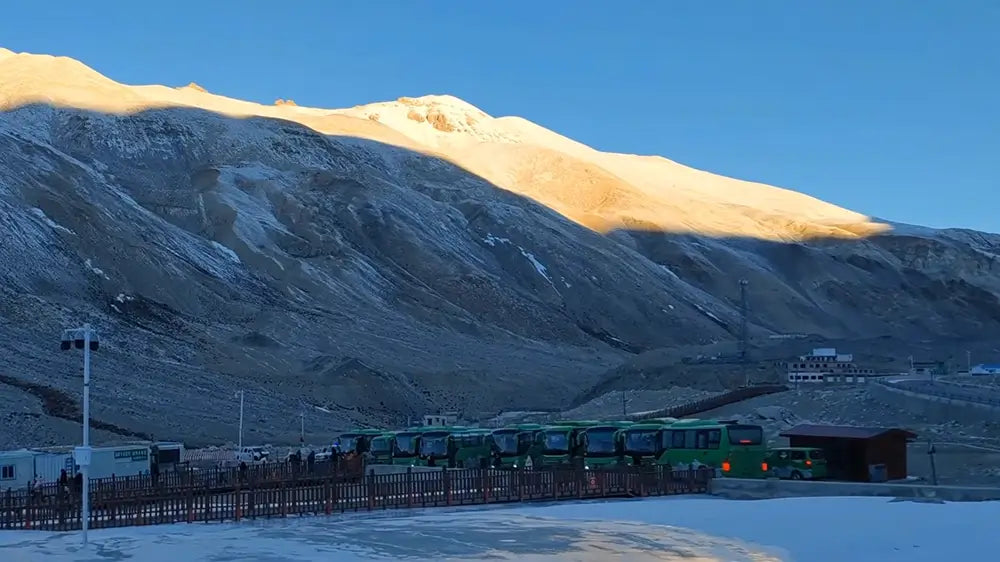
Quick Answer
The best time to visit Mount Everest depends on what you want to do. For sightseeing and Everest Base Camp trekking, the best seasons are usually spring from March to May and autumn from September to November. For climbing to the summit of Everest, the main season is spring, especially April and May, before the summer monsoon arrives.
In simple terms:
- Nepal Everest Base Camp trek: March to May and September to November
- Tibet Everest viewing: often April to May and September to October
- Everest summit climbing: mainly April to May
- Monsoon season from June to August: usually not recommended
- Winter from December to February: clear views are possible, but it is very cold and windy
So the best time to visit and climb Mount Everest depends on whether you are sightseeing, trekking or attempting the summit.
Why Timing Matters on Everest
Everest is not a mountain you can visit comfortably at any time of year. Weather in the Himalayas is shaped by monsoon patterns, jet stream winds, snowfall, cloud, temperature and visibility.
For travellers, the season affects mountain views, trail comfort, flight reliability and altitude stress. For climbers, the season can decide whether a summit attempt is possible at all. High wind, heavy snow or a short weather window can end an expedition.
This is why the question best month to see Everest is not only about temperature. Stability and visibility matter just as much.
Visiting Everest in Spring
Spring usually means March to May. It is one of the most popular seasons in the Everest region.
For Nepal EBC trekkers, spring brings warmer daytime temperatures, longer daylight and colourful rhododendron forests lower in the valleys. April and May also bring the mountaineering season to life. Everest Base Camp becomes busy with tents, climbers, support staff and expedition logistics.
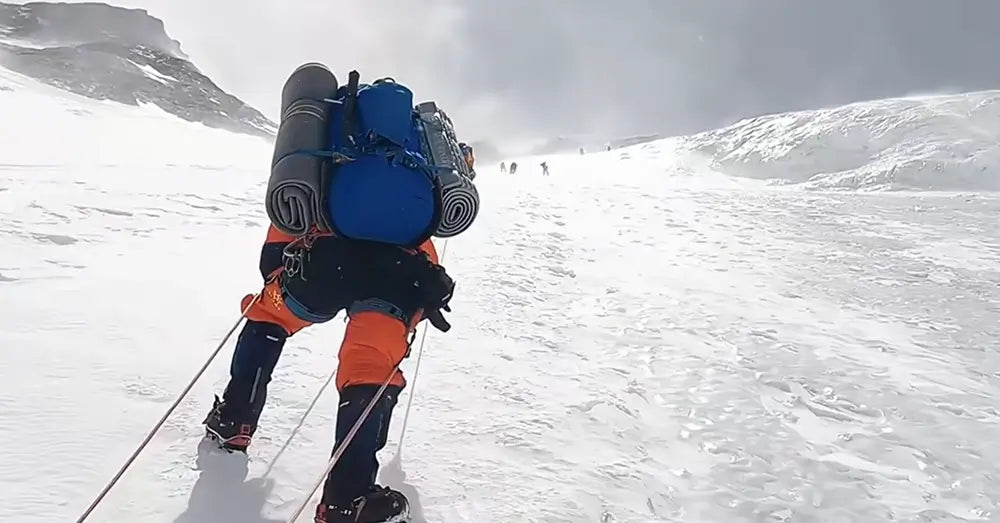
For climbers, spring is the most important Everest climbing season. Expedition teams usually reach base camp in late March or April, complete acclimatisation rotations, then wait for a suitable summit window in May. Mid to late May is often the most closely watched period.
The downside is crowding. Trails can be busy, lodges fill up, and base camp may feel like a temporary mountain town. If you want silence, spring may not be the calmest choice.
Visiting Everest in Autumn
Autumn usually means September to November. Many trekkers consider it one of the best seasons for Everest Base Camp.
After the monsoon, the air is often cleaner and mountain views can be excellent. Trails are usually drier, temperatures are comfortable during the day, and the overall trekking experience can feel more stable.
Autumn is good for:
- Clear mountain views
- More predictable trekking weather
- Less rain
- Comfortable daytime walking
- Beautiful post-monsoon light
- A slightly calmer feel than peak spring climbing season
Autumn is also a good time to see Everest from Tibet. September and October are often popular months for high plateau travel and Everest views.
However, autumn is not the main summit climbing season. Some climbers attempt Everest after the monsoon, but commercial climbing activity is usually much smaller than in spring.
Why the Monsoon Is Usually Not Recommended
June to August is the main monsoon period affecting Nepal and much of the Himalaya. The Everest region can see more rain, cloud, slippery trails, flight delays and reduced visibility. Higher up, snow and unstable weather can also create problems.
For trekkers, monsoon challenges include:
- Clouds hiding mountain views
- Wet and muddy trails
- More travel delays
- Humidity in lower valleys
- Leeches in some areas
- Landslide or route disruption risks
- Lower overall comfort
For climbers, the monsoon is not the normal Everest summit season. Heavy precipitation and unstable high altitude weather make climbing much more dangerous.
A quieter trail may sound attractive, but Everest is not like choosing a low-season beach holiday. If the mountains stay hidden and the journey becomes messy, the lower crowds may not feel worth it.
Visiting Everest in Winter
Winter usually runs from December to February. It can bring very clear skies, fewer visitors and dramatic mountain views, especially from the Tibet side. But it also brings cold temperatures, strong winds and harsher conditions.
The Nepal Everest Base Camp trek is still possible in winter for experienced trekkers, but nights are very cold, tea house conditions can feel tougher and snow may affect higher sections.
For first-time visitors, winter is usually less forgiving than spring or autumn. It can be beautiful, but it asks more from clothing, planning and tolerance for cold.
Best Time to Visit Tibet Everest Base Camp
If your goal is to see Everest from Tibet, commonly recommended months include April to May and September to October. Some travellers also like the clear winter views, especially when the weather is stable.
The Tibet side is more road-based than the Nepal trek, but altitude remains serious. Travellers often gain height quickly, so acclimatising in Lhasa and Shigatse before visiting the Everest region is important.
For anyone searching best time to visit Tibet Everest Base Camp, the main goal is usually visibility. Avoiding the monsoon and choosing spring, autumn or clear winter periods gives you a better chance of seeing the mountain.
Best Time for the Nepal Everest Base Camp Trek
The most common good seasons for the Everest Base Camp trek are March to May and September to November.
Spring is ideal if you want to see the climbing season atmosphere. Base camp is busy, expedition tents are everywhere and the mountain feels active.
Autumn is ideal if you want clearer views and a slightly steadier trekking experience. After the monsoon, the air can be crisp and the mountain scenery excellent.
For a first EBC trek, many people prefer autumn because the views and weather are often very satisfying. But if you want to see Everest Base Camp during expedition season, spring has more energy.
Best Time to Climb Everest
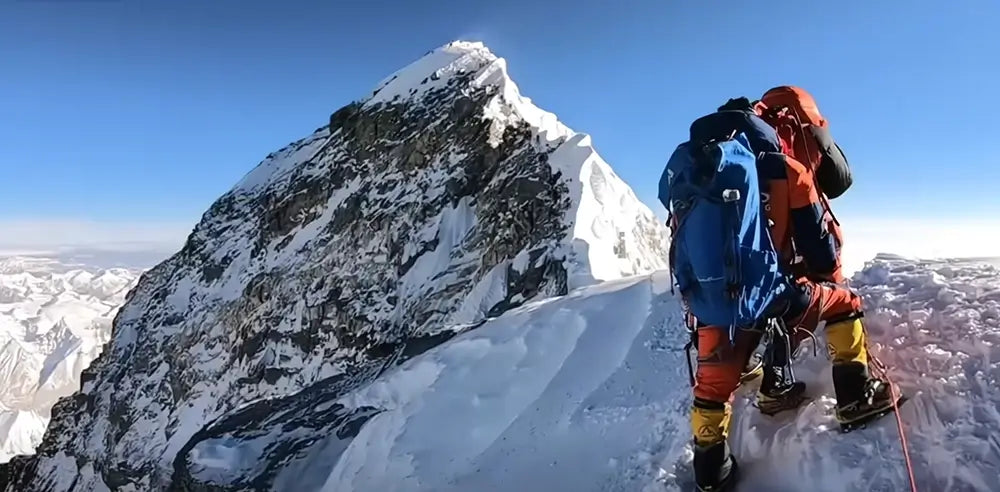
The main time to climb Everest is spring, especially April and May. Most commercial expeditions enter base camp in spring, complete several acclimatisation rotations and then wait for a summit weather window in May.
Why spring? Because it usually offers a better combination of milder temperatures, lower pre-monsoon precipitation and usable high altitude weather windows. Everest summit attempts are not based on a sunny day alone. Climbers need acceptable wind speed, snowfall, temperature, cloud cover and route conditions.
Autumn climbs do happen, but far fewer people climb then. Winter ascents are rare and extremely serious, usually limited to elite climbers attempting a much harder objective.
Which Season Should You Choose
Choose spring if you want:
- Warmer trekking days
- Rhododendron blooms in Nepal
- Everest climbing season atmosphere
- Active base camp scenes
- A classic pre-monsoon experience
Choose autumn if you want:
- Clearer mountain views
- Stable trekking conditions
- Post-monsoon visibility
- Slightly calmer trails than peak spring
- A strong first-time EBC trekking season
Choose winter only if you are prepared for:
- Cold nights
- Fewer visitors
- Strong winds
- Potential snow
- More demanding logistics
Avoid monsoon unless you understand the trade offs and accept poor visibility, wet trails and possible delays.
Final Thoughts
The best time to visit and climb Mount Everest depends on your goal.
For trekking and sightseeing, spring from March to May and autumn from September to November are usually the best choices. Spring is lively and connected to the Everest climbing season. Autumn often brings clearer skies and excellent trekking conditions. For Tibet Everest views, April to May and September to October are commonly strong options. For summit climbing, the main season is April to May, with May weather windows being especially important.
Everest is not gentle year round. Choosing the right season is not just about better photos. It gives you a safer, smoother and more rewarding way to meet the highest mountain on Earth.

Leave a comment
All comments are moderated before being published.
This site is protected by hCaptcha and the hCaptcha Privacy Policy and Terms of Service apply.