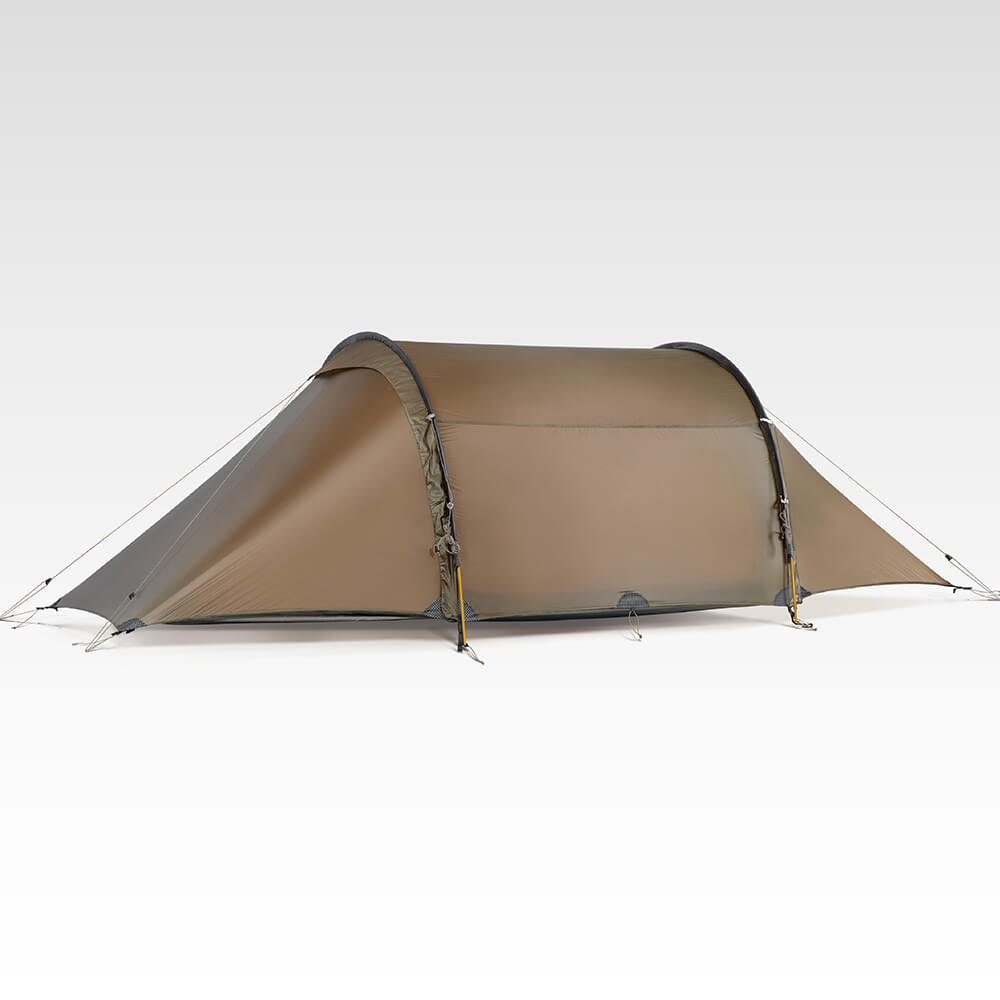
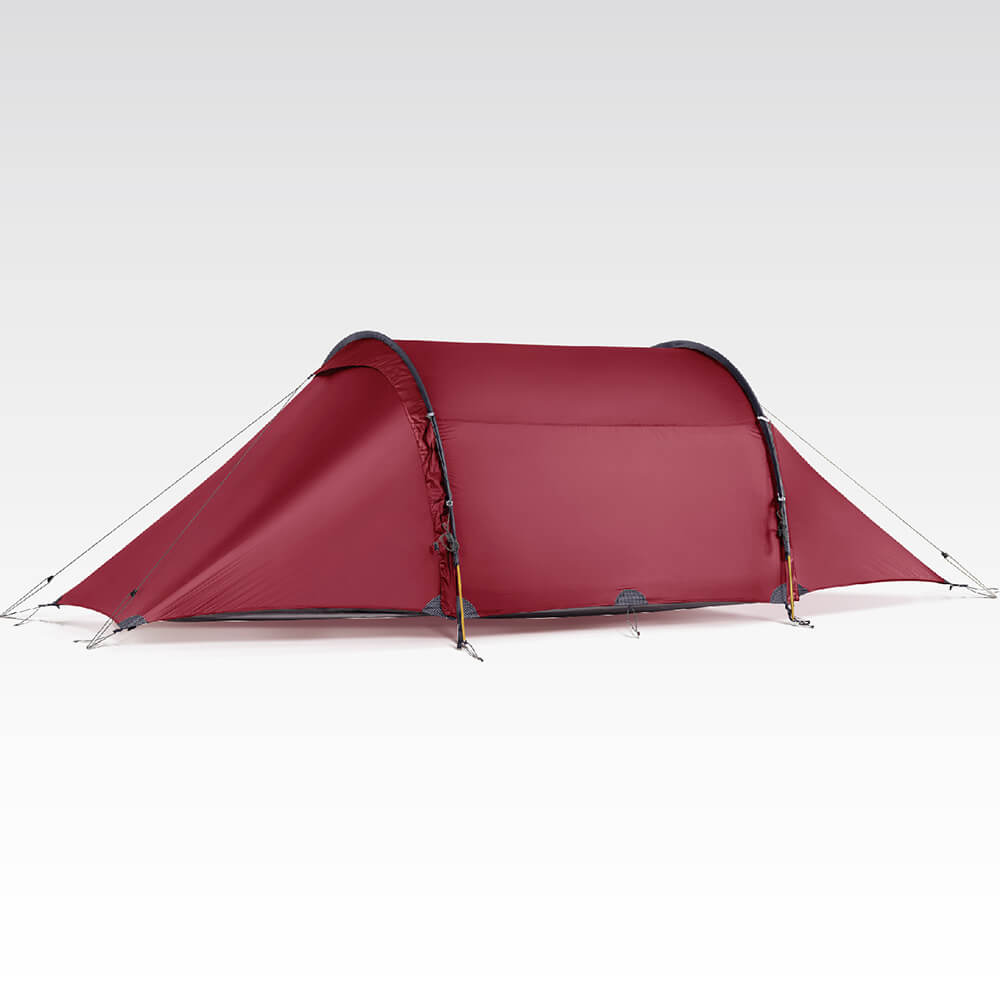
I am Wang, the designer behind TFStents. For me, an ultralight tent is not simply a tent with a low number on the scale. It must be light enough for long UK walking days, but still practical when the weather changes in the Lake District, Scotland, Wales or a wet coastal campsite.
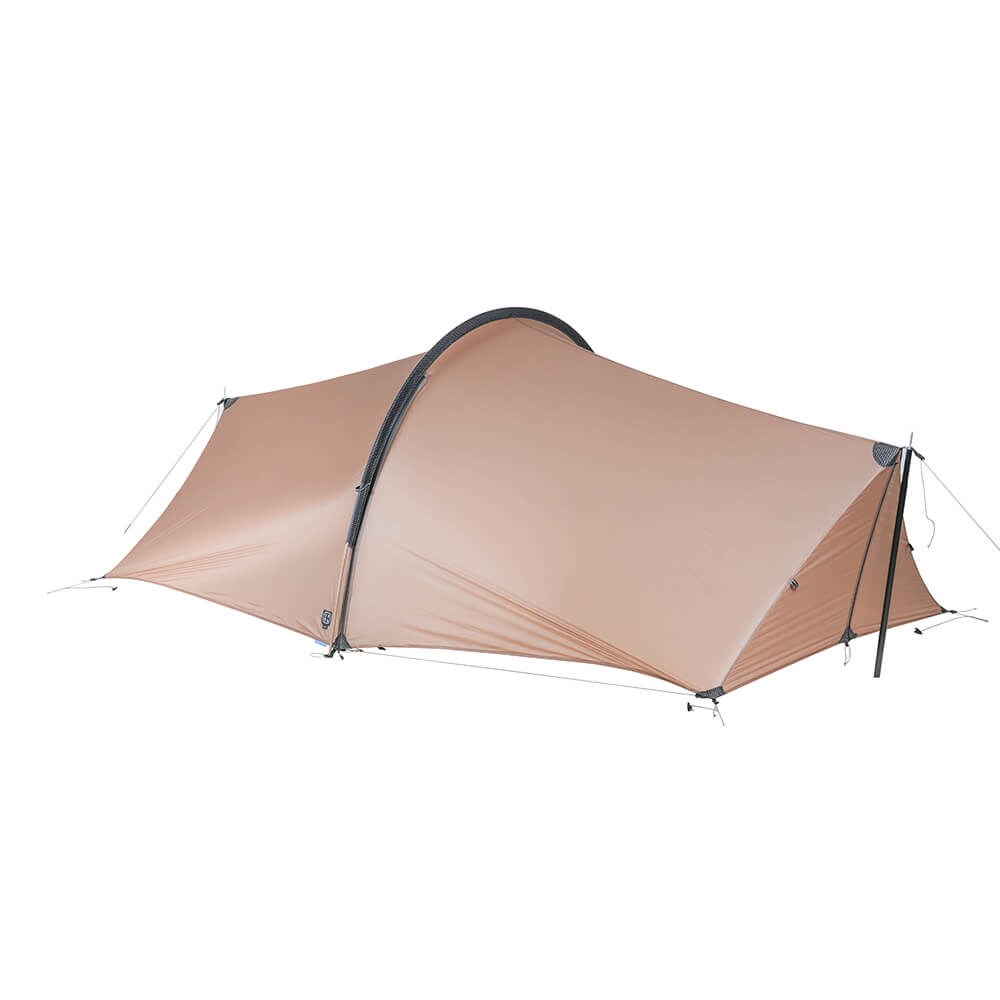
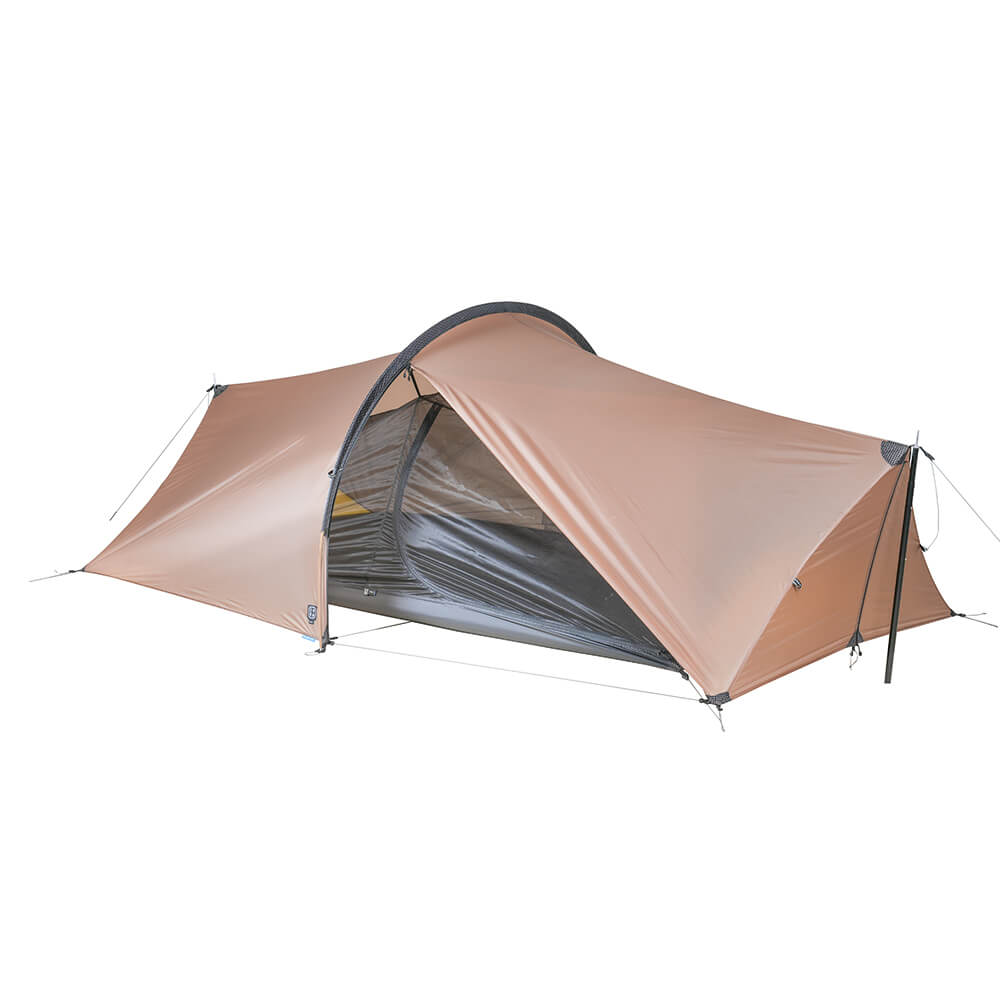
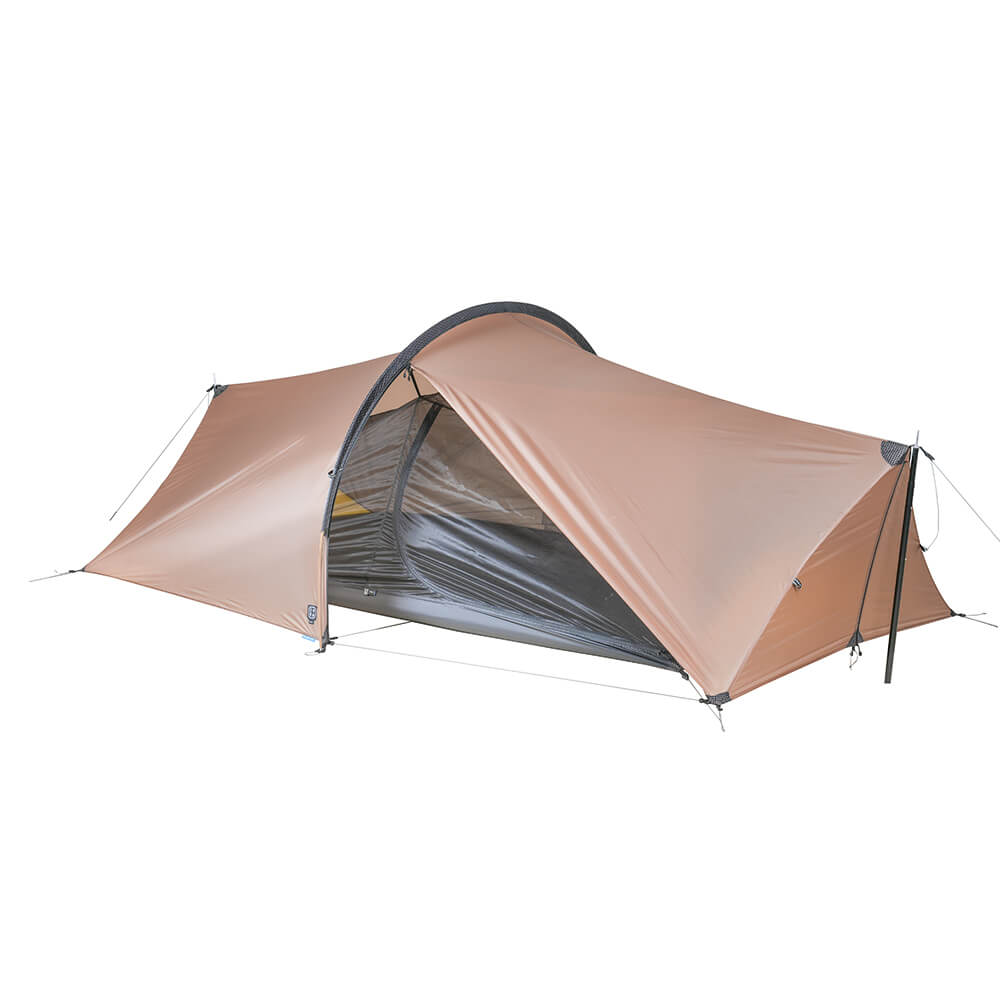
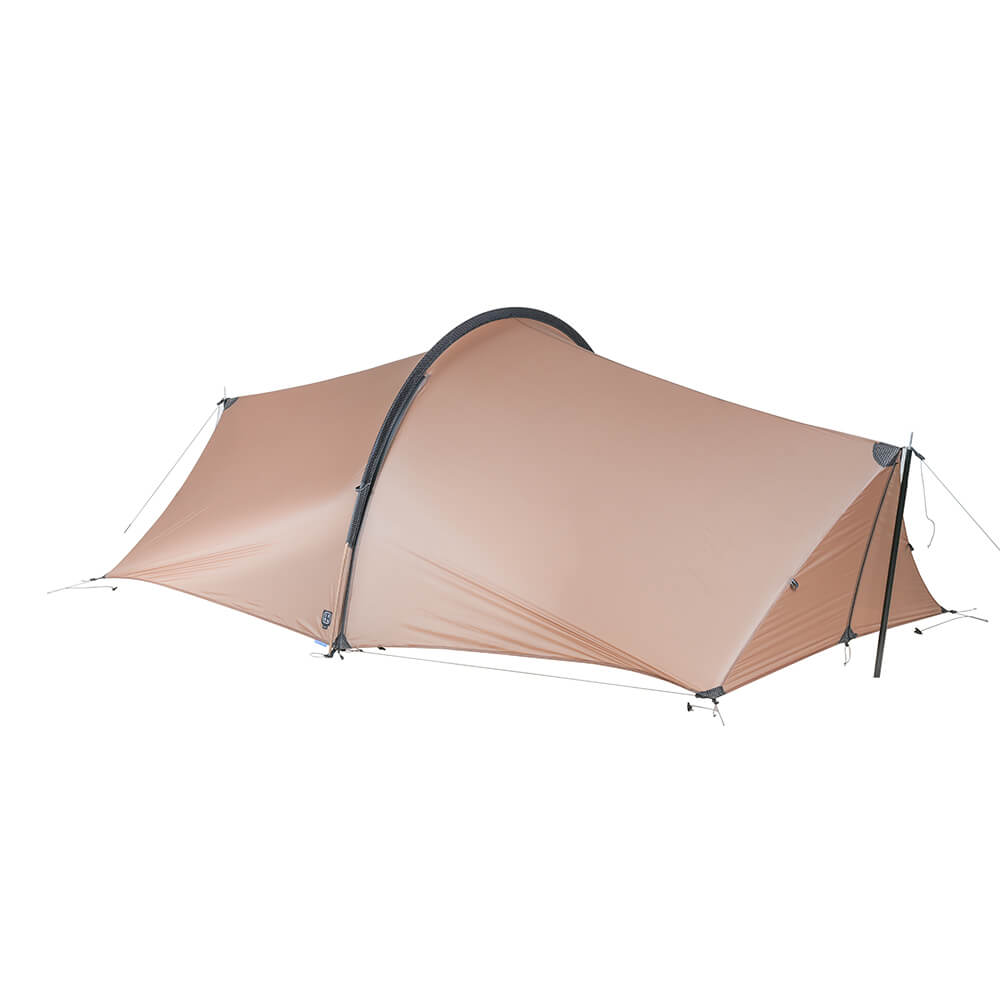
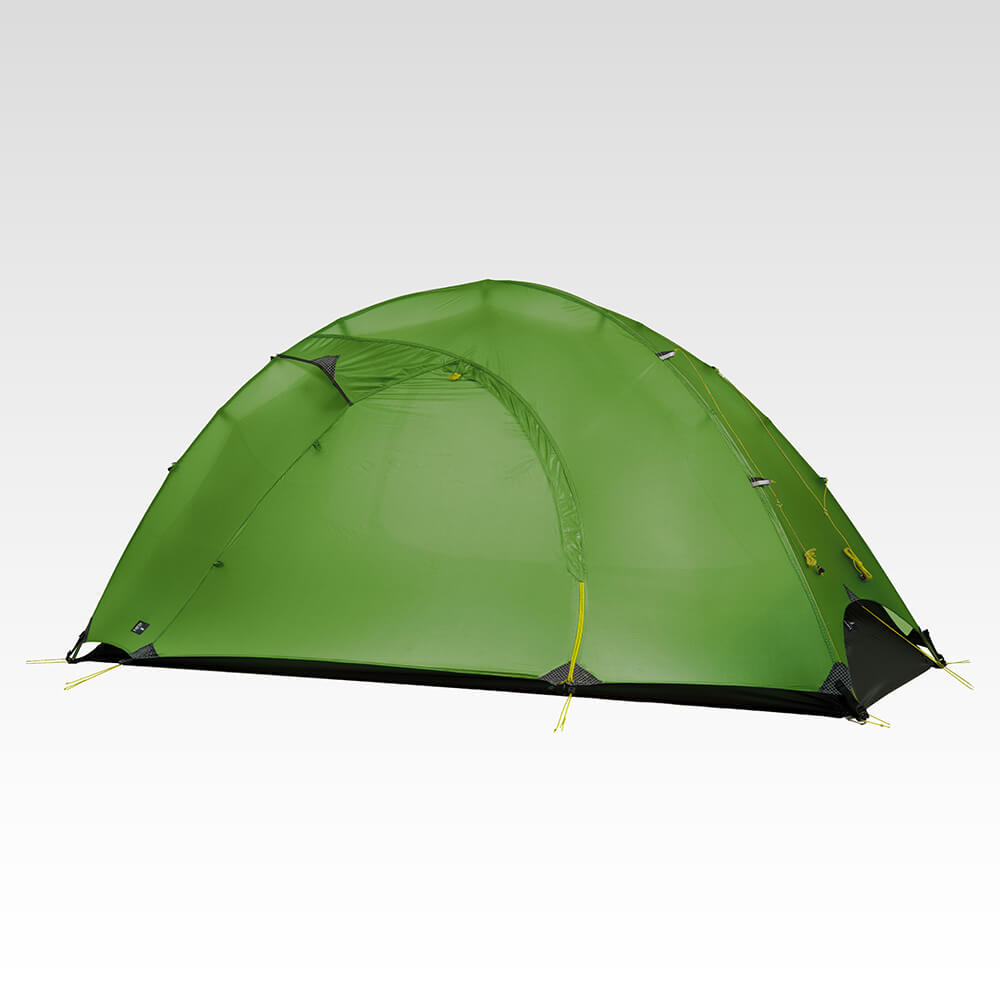
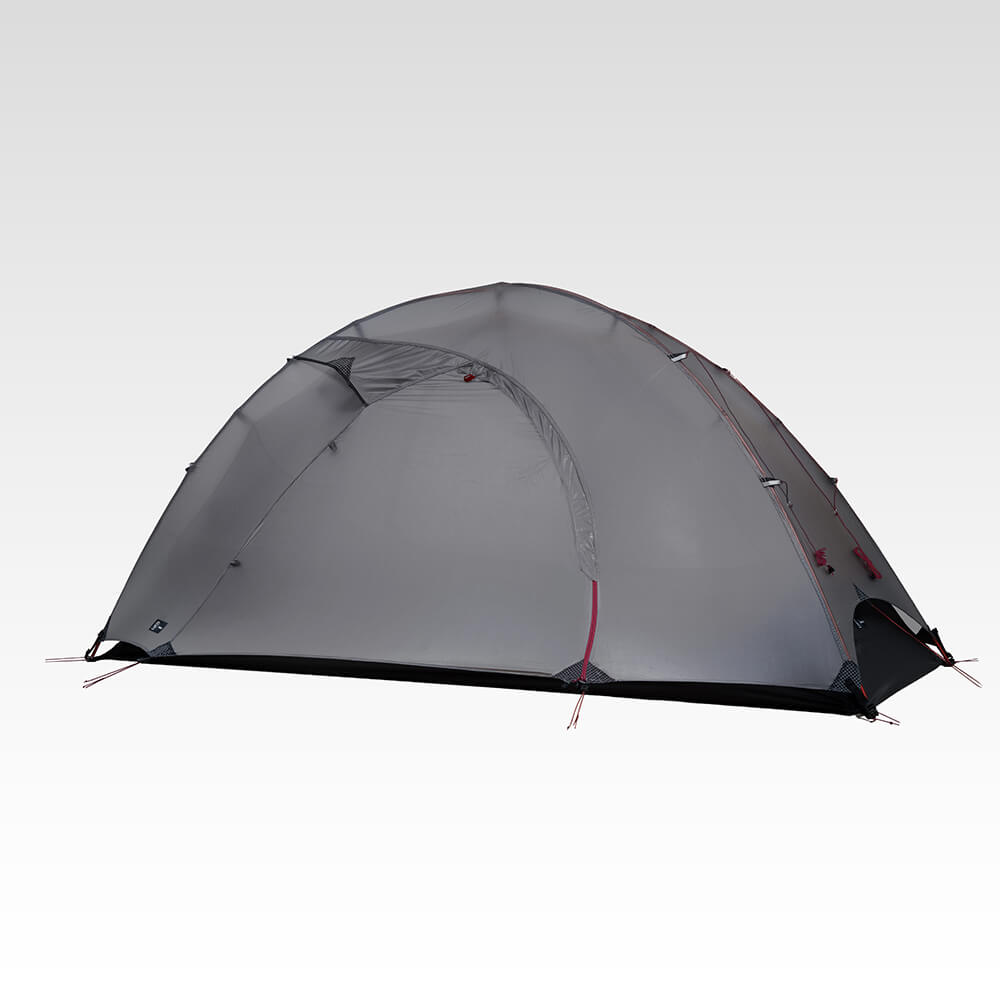
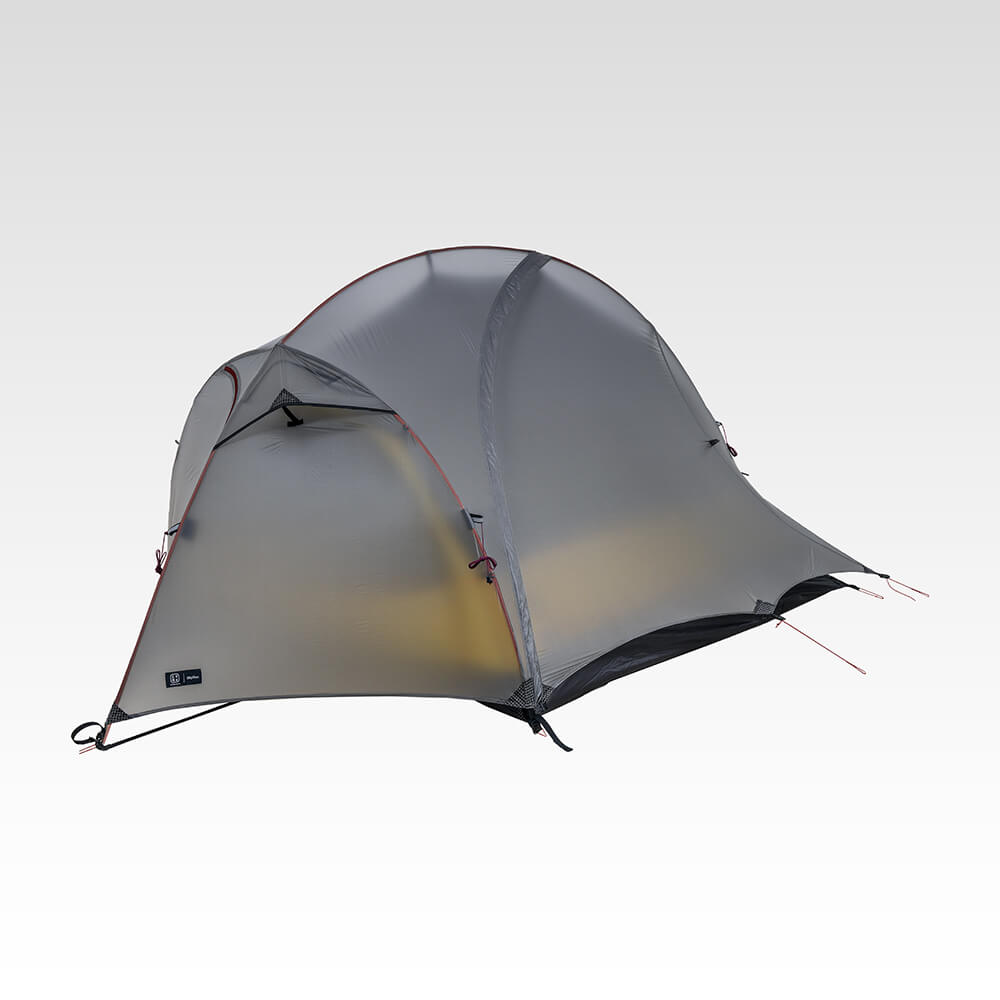
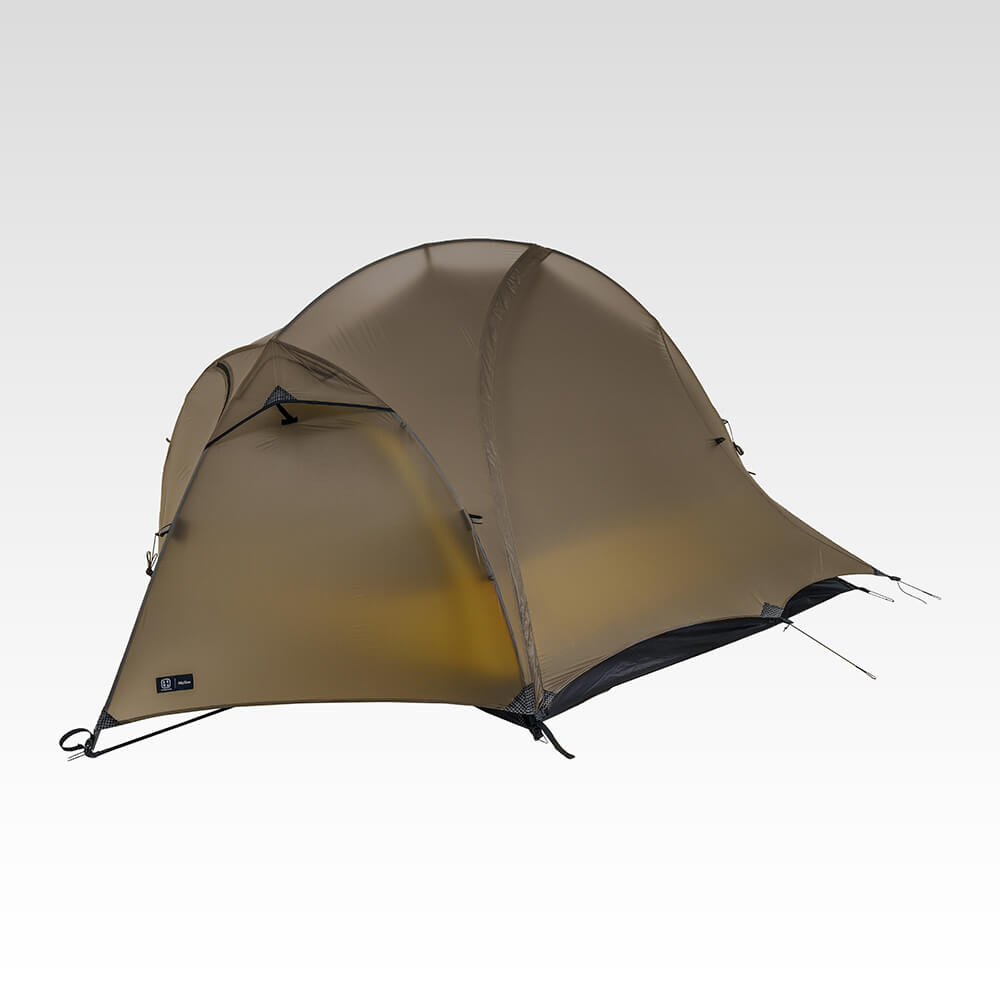
The TFStents ultralight tents collection includes shelters such as Enran 2, Enran 1, Solitary, Skyline and Yoto Pro. These tents are designed for backpackers who want to reduce pack weight without giving up real protection, usable space or reliable materials.
In this collection, we use 7D and 10D double silicone coated nylon fabrics. This is an important design choice. These fabrics allow us to build tents with weights close to many tents made with Dyneema® Composite Fabrics, but with a much clearer price advantage. For many hikers, that balance matters more than chasing the most expensive fabric name.
I like 7D and 10D double silicone nylon because it packs well, handles repeated use naturally, and gives a good balance of waterproofing, tear resistance and flexibility. It is also more comfortable for real outdoor use than many people expect from such light fabric. For UK hikers, where tents are often packed wet, pitched on uneven ground and used in wind and drizzle, this balance is very important.
Dyneema® Composite Fabrics has clear strengths. It is very light, highly waterproof and has low stretch. But it also has disadvantages. It is expensive, can crease heavily with use, often packs bulkier, and the high price can make damage feel more painful. For many backpackers, especially those building a full lightweight setup, the extra cost is not always the best use of budget.
My goal with TFStents ultralight tents is simple: make shelters that serious hikers can carry happily, trust in bad weather, and afford without treating the tent like a museum piece.