
Quick Answer
A good Winter hillwalking gear UK setup should include a proper layering system, waterproof jacket and trousers, warm insulation, winter suitable footwear, spare gloves, hat, headtorch, map, compass, emergency shelter, food, water and dry bags.
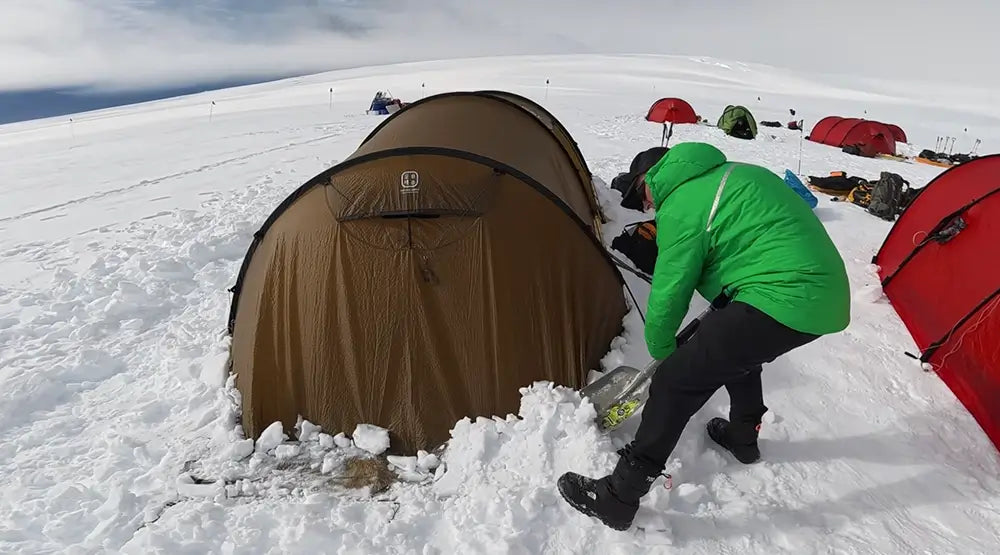
For Scotland, snow covered mountains or icy ground, you may also need winter boots, crampons, an ice axe, goggles and the skills to use them. Winter hillwalking in the UK can be simple and beautiful on a clear day, but it can also become serious very quickly.
Why UK Winter Hillwalking Needs Careful Kit
Winter in the UK is not just cold. It is wet, windy, dark and often changeable. A walk that starts on a muddy path in mild drizzle can become a freezing ridge walk with poor visibility two hours later.
That is why best gear for hiking in UK winter is not only about warmth. It is about staying dry, managing sweat, keeping hands working, navigating in bad visibility and having enough backup if something goes wrong.
One Reddit discussion on UK winter hiking gear had a very familiar theme: people asked about waterproof jackets, trousers and rucksacks, but experienced walkers kept bringing the conversation back to layers, headtorches, dry bags, maps and emergency kit. That is usually where winter safety really lives.
Layering System for UK Winter Hiking
For what to wear winter hiking UK, think in layers rather than one heavy coat.
A practical system is:
- Wicking base layer
- Light fleece or active midlayer
- Windproof or softshell layer
- Waterproof shell jacket
- Insulated jacket for stops
- Waterproof trousers
- Hat, buff and gloves
Avoid cotton. Reddit users repeated this point strongly, and they are right. Cotton holds sweat, dries slowly and can make you cold fast when you stop.
Merino wool is warm and resists odour, but synthetic base layers are also fine. The important part is moisture management. Start slightly cool, warm up as you move, and avoid sweating heavily into your clothes.
Waterproof Jacket and Trousers
A waterproof jacket is one of the most important parts of any waterproof winter hiking gear UK setup. Look for a reliable hood, taped seams, durable fabric, adjustable cuffs and ventilation.
The hood matters. In British winter rain and wind, a poor hood can ruin an expensive jacket. It should move with your head and protect your face without blocking vision.
Waterproof trousers are also worth carrying. In cold rain, wet legs can drain heat quickly. Full length or long side zips make trousers easier to pull on over boots when the weather turns.
Insulation for Stops and Emergencies
A big warm jacket is often carried more than worn, but it can be the most reassuring item in the pack. Colin Henderson’s Scottish winter kit list highlights the value of a proper insulated jacket for stops and bad weather. That rings true. You may be warm while climbing, then freezing five minutes after stopping for food or navigation.
Synthetic insulation is usually safer in wet UK weather. Down is lighter and warmer for its weight, but it needs better protection from moisture.
For colder Scottish winter days, some walkers also carry insulated mitts or even warm overtrousers for emergencies.
Gloves Hats and Small Warmth Items
Cold hands make everything slower: map reading, opening food, adjusting crampons, using a phone, tightening straps. Carry more than one pair of gloves.
A sensible winter glove system might include:
- Thin liner gloves
- Warmer softshell gloves
- Waterproof or insulated mitts
- Spare dry gloves in a dry bag
A buff or neck gaiter is small but useful. A warm hat is essential, and a balaclava can be very welcome in strong wind.
Footwear Traction and Snow Gear
For lowland winter walks, normal waterproof boots may be enough. For snowy hills, frozen ground or Scottish winter routes, footwear becomes more serious.
Colin Henderson discusses B1 and B2 rated boots for winter walking, with heavier B3 boots being overkill for basic hillwalking. The key is matching boots to the terrain and any traction devices you plan to use.
UKClimbing’s winter walking gear roundup includes traction options such as crampons and microspikes, noting that lighter spikes can be useful on moderate slopes or patchy ice, while full crampons are needed for more serious snow and ice.
Important Safety Note
Crampons and an ice axe are not magic safety items. If a route requires them, you also need to know how to use them. For beginners, a winter skills course is often better value than buying advanced gear and hoping it makes sense on the hill.
Backpack and Dry Bags
For UK winter hiking kit list planning, a day pack around 30 to 40 litres is often more useful than a tiny summer pack. Winter layers are bulky. Gloves, spare hat, waterproofs, food, flask and emergency gear take space.
Reddit users made a good point about waterproof rucksacks: do not rely on the pack itself. Use a liner and dry bags inside. A rain cover can help, but wind can pull it loose.
Keep these dry:
- Spare gloves
- Insulated jacket
- Phone and power bank
- First aid kit
- Emergency layer
- Map or spare map
- Any camping sleep gear
Navigation and Light
Winter days are short. A delayed lunch, slow descent or small navigation mistake can put you in darkness before you expected it.
Carry:
- Paper map
- Compass
- Headtorch
- Spare battery or backup torch
- Phone with offline maps
- Power bank
Colin Henderson mentions carrying map, compass, headtorch and phone protection as minimum safety items for Scottish winter days. Reddit users also stressed paper maps because batteries drain faster in cold weather.
A headtorch is not optional in winter. It should be in the pack even for a morning walk.
Emergency and Safety Kit
For winter hillwalking safety kit, pack:
- First aid kit
- Whistle
- Emergency bivvy or survival bag
- Bothy bag if walking in remote areas
- Spare warm layer
- High energy food
- Hot drink or flask
- Phone in waterproof case
- Power bank
- Trekking poles if useful
- Goggles for spindrift or severe wind
A bothy bag can be surprisingly valuable. It gives quick shelter for route decisions, lunch stops or emergencies. On exposed Scottish hills, it can turn a bad wait into something manageable.
Final Winter Walking Gear Checklist
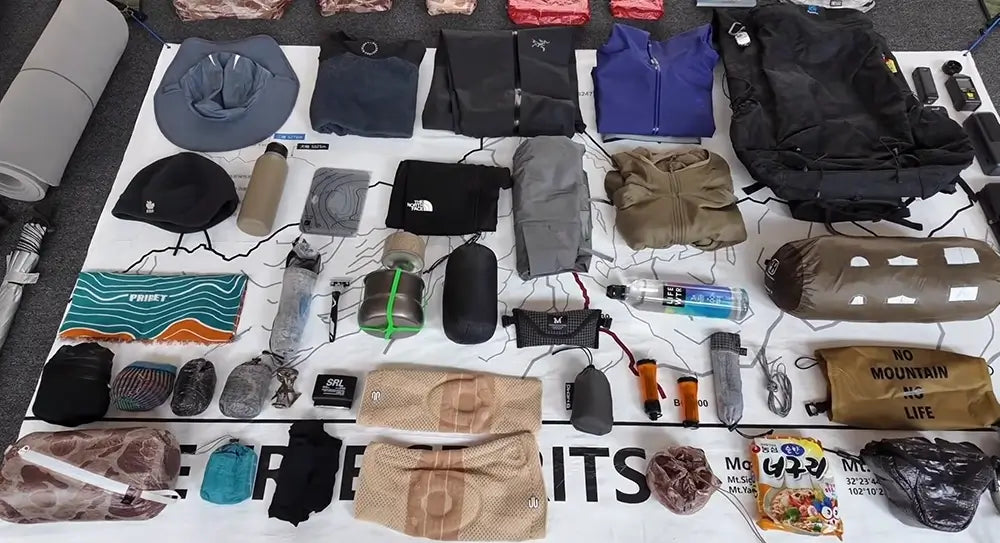
Use this winter walking gear checklist before heading out:
- Wicking base layer
- Fleece or active insulation
- Waterproof jacket
- Waterproof trousers
- Warm insulated jacket
- Winter trousers or softshell trousers
- Waterproof boots
- Spare socks
- Gloves plus spare gloves
- Hat and buff
- Headtorch
- Map and compass
- Phone with offline maps
- Power bank
- First aid kit
- Emergency bivvy or bothy bag
- Food and water
- Flask or stove if appropriate
- Dry bags or pack liner
- Crampons and ice axe when conditions require them
Final Thoughts
The best Winter hillwalking gear UK setup is practical, layered and honest about the conditions. You do not need the most expensive jacket or every new piece of winter kit. You do need clothing that manages moisture, waterproofs that work, warm backup layers, reliable navigation and safety gear you know how to use.
UK winter hills can be quiet and beautiful, but they are not casual. Pack for the coldest, wettest and darkest part of the day, not just the pleasant start in the car park.

Leave a comment
All comments are moderated before being published.
This site is protected by hCaptcha and the hCaptcha Privacy Policy and Terms of Service apply.