
Why UK Cold Feels Different
A good Cold weather camping sleep system UK setup is not just about buying the warmest sleeping bag you can afford. British cold is often damp, windy and sneaky. A night that looks mild on the forecast can feel much colder when the ground is wet, the tent is full of condensation and your socks never quite dried after the walk in.
Most cold nights outdoors happen for the same reason: one part of the system is missing. The sleeping bag might be decent, but the mat is too thin. The mat might be warm, but the camper goes to bed in damp base layers. Or the kit is technically warm enough, but the tent is pitched in a cold hollow beside water.
A sleep system is exactly that: a system.
Start with the Sleeping Mat
If there is one thing UK beginners underestimate, it is the sleeping mat. Cotswold Outdoor explains that the ground pulls heat away from the body quickly, especially because the insulation underneath you gets compressed by your weight. Trekitt makes the same point: in winter, the mat can be the most important part of the setup.
For sleeping mat R value UK camping, think roughly like this:
- R 1 to 2: summer and warm ground
- R 3 to 4: spring, autumn and mixed UK conditions
- R 5 or higher: winter, frost and colder wild camps
- R 6 plus: deep winter or snow camping
For many UK winter trips, an R value of 5 or more is a sensible target. Some campers layer a closed cell foam mat under an insulated inflatable. It adds bulk, but it gives warmth, puncture backup and a little peace of mind on rough ground.
Choose the Sleeping Bag by Comfort Rating
The phrase “three season sleeping bag” gets used a lot, but it does not always tell you enough. Look at the comfort rating first, not the extreme rating. The comfort rating is the number that matters when you actually want to sleep rather than simply survive the night.
For best sleeping bag for cold weather camping UK, down and synthetic both have a place. Down is lighter, warmer for its weight and packs smaller, but it needs to be kept dry. Synthetic bags are bulkier but cope better with damp conditions and can be a safer choice for beginners or very wet trips.
Also check the fit. A bag that is too tight compresses insulation. A bag that is too long leaves empty space your body has to warm. Side sleepers may need a wider cut, even if that adds a little weight.
Add a Liner but Do Not Expect Miracles
A sleeping bag liner for winter camping can help, but it should not be used to fix a badly chosen bag or mat. Trekitt points out that liners add a layer of trapped air, help manage moisture and keep the sleeping bag cleaner. Cotswold Outdoor also notes that liners protect insulation from dirt and body oils, which helps the bag perform better over time.
Silk liners are light and compact. Thermal or fleece liners are warmer but bulkier. A liner is useful for shoulder season camps, hut trips or extending a bag slightly, but if the forecast is properly cold, the main insulation still needs to be right.
Keep Dry Clothes Only for Sleeping
This is the small habit that separates comfortable campers from miserable ones. Keep a dry base layer, dry socks and a hat sealed in a dry bag. Do not walk in them. Do not cook in them. Do not “just quickly” wear them outside in drizzle.
For how to stay warm camping in winter UK, dry sleep clothing matters more than people expect. Damp hiking clothes steal warmth, even if they do not feel soaked. Change before bed, put wet kit in the porch, and keep the sleeping bag away from condensation on tent walls.
A warm hat or hood also helps. If your head is cold, the rest of the system has to work harder.
Do Not Overdress Inside the Sleeping Bag
It sounds logical to wear every layer you own inside the bag, but it can backfire. Bulky layers can compress the sleeping bag insulation and reduce loft. Trekitt warns against overdoing thick clothing inside a bag.
A better approach is dry, close fitting layers: base layer, socks, hat, maybe a light fleece if needed. If you are still cold, improve the mat, bag or campsite choice rather than simply wearing more and more clothing inside a cramped sleeping bag.
Eat Warm and Camp Smart
Some warmth comes from gear. Some comes from routine.
Eat a proper meal before bed. Have a hot drink if you like one. A high calorie snack before sleeping can help on long cold nights. Trekitt also mentions hot drinks and insulated bottles as useful winter habits.
Pitch choice matters too. Avoid cold hollows, boggy ground and exposed ridges in strong wind. Look for slightly raised, sheltered ground that drains well. A better pitch can make the same sleep system feel noticeably warmer.
A Practical UK Winter Sleep Checklist
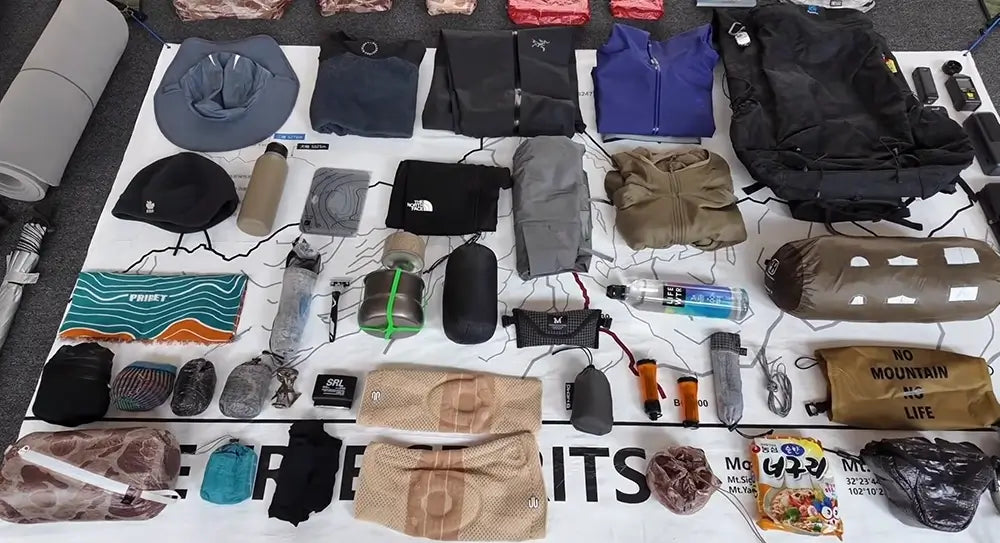
For a reliable UK winter camping sleep system, pack:
- Sleeping bag comfort rated below expected overnight lows
- Sleeping mat with suitable R value
- Foam mat backup for colder trips
- Sleeping bag liner if useful
- Dry base layer for sleeping only
- Dry socks
- Warm hat or balaclava
- Insulated jacket for camp
- Dry bag for sleep clothing
- Small cloth for tent condensation
- Hot drink or evening snack
This does not need to be the lightest possible setup on the first attempt. Warm and slightly heavier is better than ultralight and awake at 3am.
Final Thoughts
A good Cold weather camping sleep system UK setup is built from the ground up. Start with an insulated mat, choose a sleeping bag by comfort rating, add a liner if it genuinely helps, and protect dry sleep clothes like they are part of the sleeping bag.
The Reddit advice given to beginners often circles back to the same practical truth: do not obsess over one item. The mat, bag, clothing, shelter, food and pitch all work together.
When the system is right, a cold night stops feeling like something to endure. It becomes part of the trip: frost on the flysheet, a warm bag, a quiet tent, and the small pleasure of waking up actually rested.

Leave a comment
All comments are moderated before being published.
This site is protected by hCaptcha and the hCaptcha Privacy Policy and Terms of Service apply.